

Introduction to Micro-Powder Pneumatic Conveying System Equipment and Its Structural Principles
Shandong HeadPowder Engineering Co., Ltd., commonly known as headpowder, is a professional manufacturer and supplier based in Shandong, China. The company specializes in the research, development, and production of micro-powder pneumatic conveying systems, providing advanced solutions for the efficient and reliable transportation of fine powders in various industrial applications.
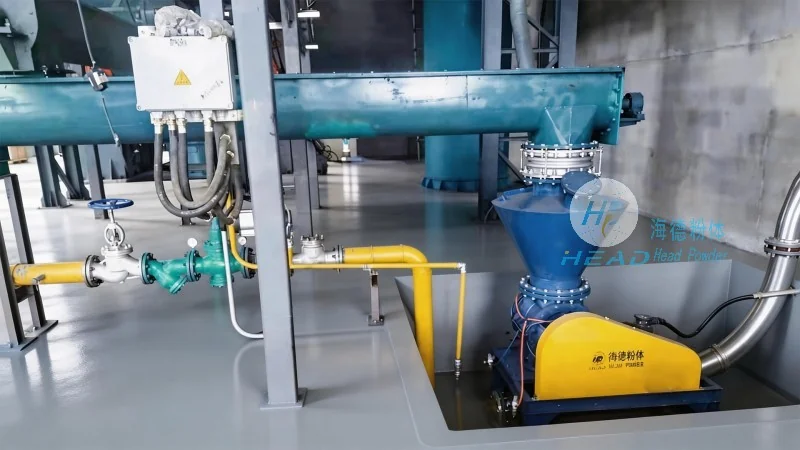
Overview of Micro-Powder Pneumatic Conveying Systems
Micro-powder pneumatic conveying systems are engineered to transport fine powders, such as chemicals, pharmaceuticals, food additives, and other granular materials, through a network of pipes using compressed air. These systems are designed to handle materials with particle sizes typically ranging from 1 to 500 microns, ensuring minimal product degradation and high transfer efficiency. The equipment is widely used in industries like pharmaceuticals, food processing, chemical manufacturing, and ceramics, where precise and gentle handling of powders is critical.
Key Components of the Micro-Powder Pneumatic Conveying System
The micro-powder pneumatic conveying system consists of several essential components that work in tandem to achieve efficient material transport. The primary components include:
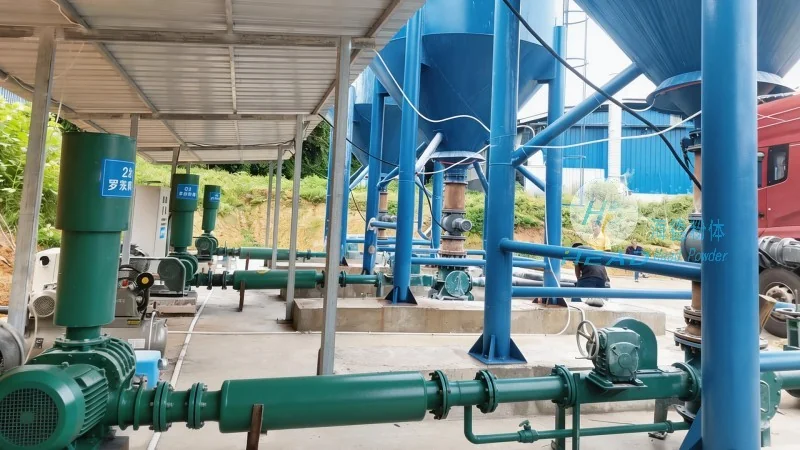
- Feed Hopper and Metering Valve: The feed hopper stores the micro-powder and feeds it into the system at a controlled rate. The metering valve regulates the flow of material into the conveying line, ensuring consistent and accurate dosing.
- Air Compressor and Filter: A high-pressure air compressor generates the necessary compressed air, which is then filtered to remove contaminants and moisture that could affect the powder quality or system performance.
- Conveying Pipe Network: The system utilizes a network of stainless steel or plastic pipes to transport the powder. The pipe diameter and length are optimized based on the material characteristics and required conveying distance.
- Separation and Collection Unit: This component, often a cyclone separator or a bag filter, separates the powder from the air stream. The separated powder is collected in a storage bin or container, while the clean air is discharged or recirculated.
- Control System: An automated control system monitors and regulates the operation of the entire system, including air pressure, flow rate, and material feed rate. This ensures stable and reliable performance while minimizing energy consumption.
Structural Principles and Working Mechanism
The structural principle of the micro-powder pneumatic conveying system is based on the use of compressed air to create a fluidized or suspended state of the powder particles. When compressed air is introduced into the conveying pipe, it creates a low-pressure zone that draws the powder particles into the air stream. The air flow velocity is carefully controlled to maintain the powder in a suspended state, preventing particle agglomeration and ensuring smooth transport.
The working mechanism involves several sequential steps. First, the micro-powder is fed from the hopper into the metering valve. The valve then releases the powder into the conveying pipe at a controlled rate. Simultaneously, the air compressor supplies compressed air to the pipe. The air and powder mixture travels through the pipe network, with the air velocity maintaining the powder in suspension. At the receiving end, the separation unit uses centrifugal force to separate the powder from the air. The powder is collected in the storage bin, while the air is either filtered and recirculated or vented to the atmosphere.
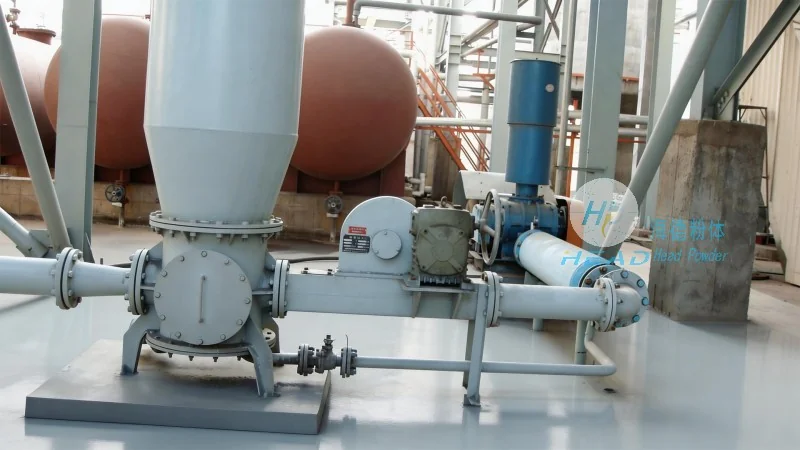
Advantages of Micro-Powder Pneumatic Conveying Systems
Micro-powder pneumatic conveying systems offer several advantages over traditional mechanical conveying methods. These include:
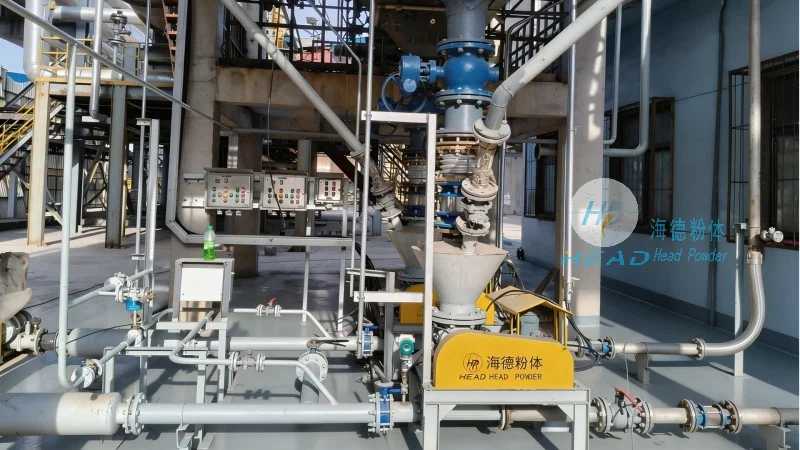
- High Efficiency and Low Loss: The system minimizes product loss during transport, as the powder is contained within the sealed pipe network, reducing exposure to environmental factors and contamination.
- Low Maintenance and Long Lifespan: The components are designed for durability and minimal wear, with stainless steel or corrosion-resistant materials used in critical parts. This reduces maintenance requirements and extends the system's operational life.
- Flexible and Scalable: The system can be easily scaled to accommodate varying production volumes and conveying distances. It can also be integrated with existing production lines, providing flexibility in plant layout and operation.
- Hygienic and Clean Operation: The sealed design and use of stainless steel components ensure that the system meets stringent hygiene standards, making it suitable for applications in the pharmaceutical and food industries.
- Energy Efficiency: Advanced control systems optimize air usage, reducing energy consumption while maintaining efficient material transport. This contributes to lower operational costs and a smaller environmental footprint.
Applications and Industries
Micro-powder pneumatic conveying systems are widely applied in various industries where the handling of fine powders is essential. Some common applications include:
- Pharmaceutical Industry: Transporting active pharmaceutical ingredients (APIs), excipients, and other fine powders used in drug manufacturing, ensuring compliance with GMP (Good Manufacturing Practice) standards.
- Food and Beverage Industry: Conveying food additives, flavorings, and other fine ingredients in food processing plants, maintaining product quality and hygiene.
- Chemical Manufacturing: Handling chemical powders, such as pigments, catalysts, and reagents, in chemical production facilities, ensuring safe and efficient material transfer.
- Ceramics and Powder Metallurgy: Transporting ceramic powders and metal powders used in the production of ceramics and metal components, supporting high-precision manufacturing processes.
- Packaging and Material Handling: Integrating with packaging lines to transport powders to filling machines, improving production line efficiency and consistency.
Conclusion
Micro-powder pneumatic conveying systems, as offered by Shandong HeadPowder Engineering Co., Ltd., represent a sophisticated and efficient solution for the transportation of fine powders in modern industrial settings. By leveraging advanced structural design and control technologies, these systems ensure high transfer efficiency, minimal product loss, and compliance with industry standards. With a focus on durability, flexibility, and energy efficiency, the micro-powder pneumatic conveying systems from headpowder are well-suited to meet the diverse needs of various industries, providing reliable and cost-effective material handling solutions.