

Introduction to the Structure and Principle of Inorganic Salt Pneumatic Conveying Systems
Welcome to Shandong HeadPowder Engineering Co., Ltd., a leading provider of advanced pneumatic conveying solutions for inorganic salts. This article provides a comprehensive overview of the structure and operational principles of our inorganic salt pneumatic conveying systems, designed to meet the demands of various industrial applications.
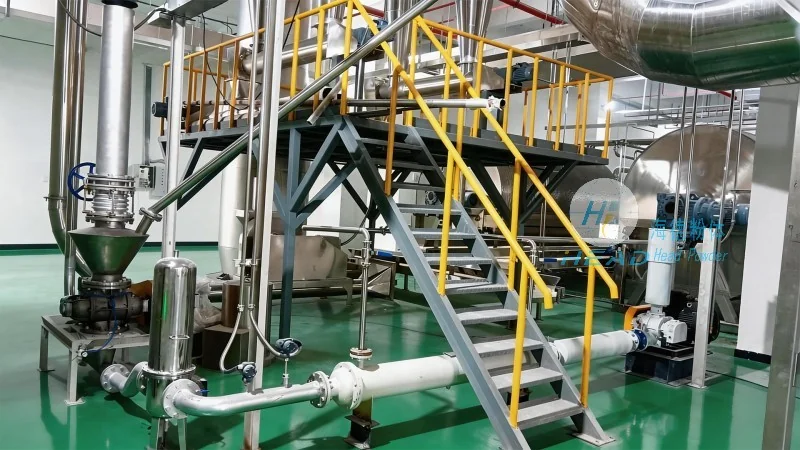
Overview of Inorganic Salt Pneumatic Conveying Systems
Inorganic salt pneumatic conveying systems are sophisticated equipment used to transport bulk inorganic salts, such as sodium chloride, potassium chloride, and other mineral salts, through a pipeline using compressed air. These systems are widely utilized in industries like chemical manufacturing, food processing, and mining, where efficient and dust-free material handling is crucial. The primary goal of such systems is to deliver inorganic salts from storage silos or production lines to processing units or packaging areas with minimal loss and maximum efficiency.
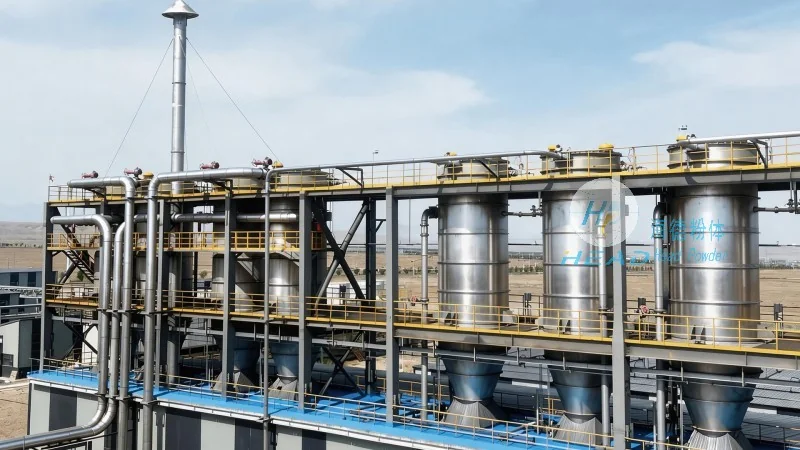
Key Components and Working Principle
The inorganic salt pneumatic conveying system consists of several critical components that work in tandem to ensure smooth operation. The main components include a hopper or feeder, a compressor or air supply unit, a pipeline system, and a receiver or discharge unit. The working principle involves feeding the inorganic salt into the hopper, where it is then drawn into the pipeline by the compressed air. The air-salt mixture travels through the pipeline to the receiver, where the salt is separated from the air and collected. The compressed air is then discharged back into the system or vented to the atmosphere, depending on the design.
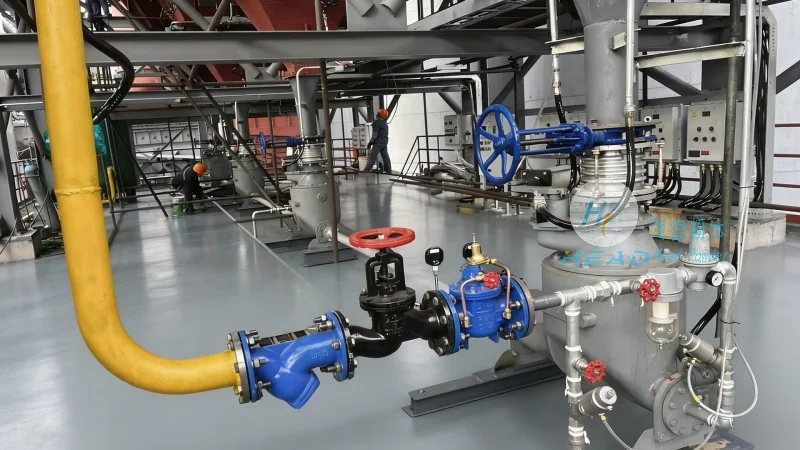
Application Scenarios and Advantages
Our inorganic salt pneumatic conveying systems are versatile and suitable for a wide range of applications. They are particularly effective in environments where traditional mechanical conveyors may cause dust contamination or material degradation. The advantages of pneumatic conveying include high efficiency in material transport, reduced labor costs due to automated operation, and the ability to handle abrasive or corrosive inorganic salts without damage to the system components. Additionally, these systems can be designed for both positive and negative pressure operation, providing flexibility in different industrial settings.
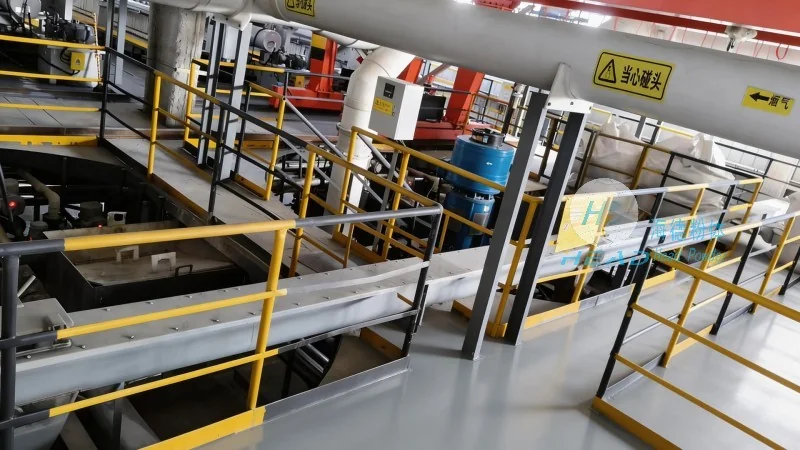
Company Profile: Shandong HeadPowder Engineering Co., Ltd.
Shandong HeadPowder Engineering Co., Ltd. is a professional manufacturer and supplier of pneumatic conveying equipment, with a focus on inorganic salt applications. HeadPowder is committed to delivering high-quality, reliable, and energy-efficient solutions tailored to the specific needs of our clients. Our company is located in Shandong, China, and we leverage years of industry experience to develop innovative systems that enhance productivity and safety in material handling processes. We pride ourselves on our customer-centric approach, ensuring that each project is handled with precision and care to meet the highest standards of performance and durability.