

Introduction to Polyethylene Pneumatic Conveying Systems: Structure and Working Principles
HeadPowder, a leading provider in the field of material handling solutions, specializes in the design, manufacturing, and installation of advanced pneumatic conveying systems. This article provides an overview of polyethylene pneumatic conveying systems, detailing their structural components and operational principles to help clients understand the technology's capabilities and applications.
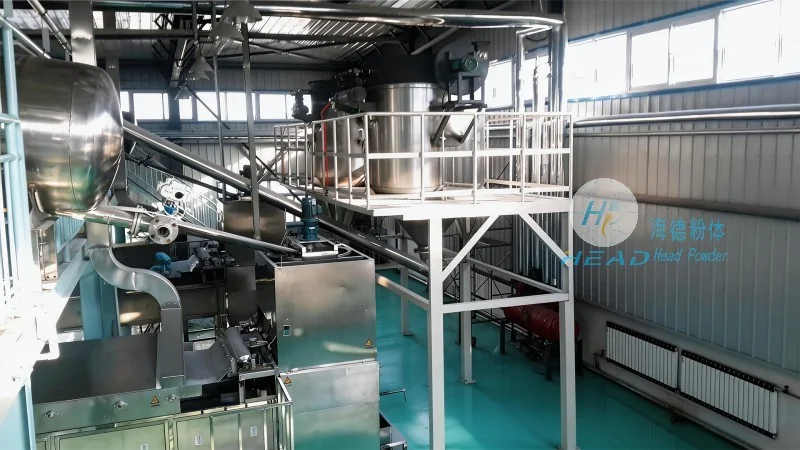
Company Profile and Expertise
Shandong HeadPowder Engineering Co., Ltd., commonly known as HeadPowder, is a professional enterprise dedicated to the research, development, and production of pneumatic conveying equipment. With a focus on innovation and quality, the company has established itself as a trusted partner in the industry, serving clients across various sectors including chemical, food, pharmaceutical, and plastics manufacturing. HeadPowder's commitment to excellence is reflected in its state-of-the-art facilities, experienced technical team, and adherence to international standards, ensuring reliable and efficient material handling solutions for diverse industrial needs.
Polyethylene Pneumatic Conveying Systems: An Overview
Polyethylene pneumatic conveying systems are specialized equipment designed to transport polyethylene particles or granules through an enclosed pipeline using air or other gas as the conveying medium. These systems are widely used in industries where polyethylene is processed or handled, offering a clean, efficient, and flexible method for material transport compared to traditional mechanical systems. The primary advantage of pneumatic conveying is the ability to handle polyethylene in a dust-free environment, reducing contamination risks and improving product quality. Additionally, these systems can operate in various configurations, such as pressure or vacuum-based, to suit different operational requirements and process flows.
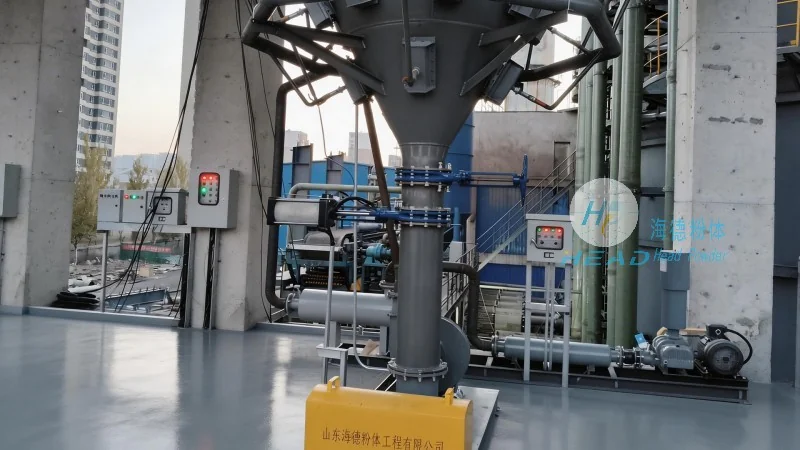
Key Structural Components of Polyethylene Pneumatic Conveying Systems
The polyethylene pneumatic conveying system consists of several critical components that work in tandem to ensure smooth and efficient material transport. The main components include the hopper or feed unit, which holds the polyethylene material and feeds it into the system; the conveying line, which is typically made of durable materials like stainless steel or specialized polymers to withstand the abrasive nature of polyethylene particles; the air or gas source, which provides the necessary pressure or vacuum to move the material; and the control system, which regulates the flow rate and pressure to maintain optimal operation. Each component is carefully designed and manufactured to meet the specific demands of polyethylene handling, ensuring durability, reliability, and performance.
Working Principles and Operational Mechanisms
The operation of a polyethylene pneumatic conveying system is based on the fundamental principle of fluidization and particle suspension. In a pressure system, compressed air is introduced into the hopper, creating a pressure differential that forces the polyethylene particles into the conveying line. The air flow then suspends the particles, carrying them through the pipeline to the discharge point. In a vacuum system, a vacuum pump creates a negative pressure that draws the polyethylene particles from the hopper into the line. The system's control unit monitors and adjusts the air flow and pressure to maintain consistent material flow rates, preventing blockages or uneven transport. The design of the conveying line, including bends, valves, and filters, is crucial for maintaining the efficiency and effectiveness of the system, as these elements can impact the flow characteristics and overall performance.
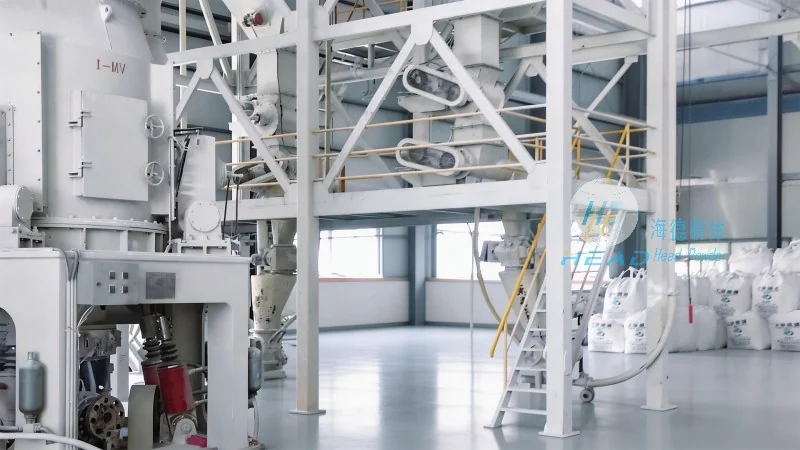
Advantages and Applications in Industrial Settings
Polyethylene pneumatic conveying systems offer numerous advantages over traditional mechanical conveying methods, making them ideal for various industrial applications. These systems provide a clean and hygienic environment, which is particularly important in industries such as food and pharmaceuticals where product purity is paramount. The flexibility of pneumatic conveying allows for easy integration into existing production lines and the ability to transport materials over long distances or through complex layouts. Additionally, these systems can handle a wide range of polyethylene particle sizes and shapes, from fine powders to large granules, with minimal maintenance requirements. HeadPowder's polyethylene pneumatic conveying systems are widely used in polyethylene production facilities, recycling plants, and processing centers, where efficient and reliable material transport is essential for operational efficiency and cost-effectiveness.
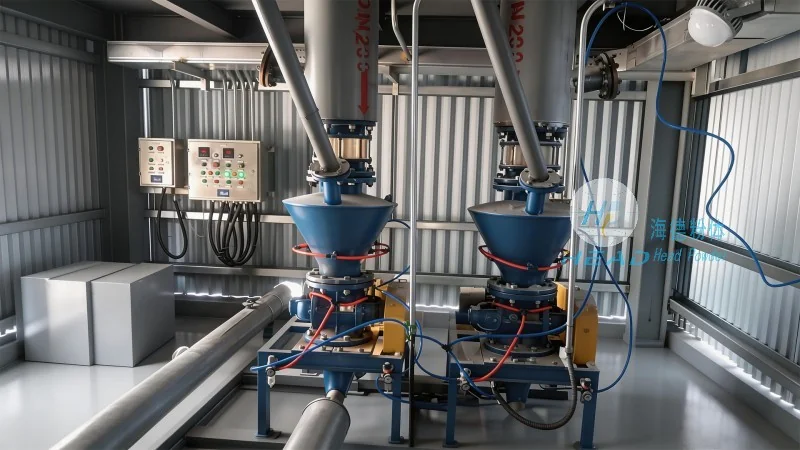
Maintenance and Operational Considerations
To ensure the long-term performance and reliability of polyethylene pneumatic conveying systems, proper maintenance and operational practices are essential. Regular inspections of the conveying line, hopper, and air source are necessary to detect and address any issues such as wear, blockages, or pressure fluctuations. Cleaning the system, especially the filters and valves, is crucial to prevent polyethylene buildup and maintain optimal airflow. The control system should be calibrated regularly to ensure accurate pressure and flow control, which helps in preventing system failures and maintaining consistent material transport. HeadPowder provides comprehensive maintenance services and technical support to its clients, ensuring that the systems operate at peak efficiency and longevity. By adhering to proper maintenance procedures, users can maximize the lifespan of their polyethylene pneumatic conveying systems and minimize downtime, thereby enhancing overall operational productivity.
Conclusion
Polyethylene pneumatic conveying systems, as exemplified by HeadPowder's advanced solutions, represent a sophisticated and efficient method for handling polyethylene materials in industrial settings. With their robust structural design, reliable operational principles, and numerous advantages, these systems offer significant benefits to industries seeking to improve material transport efficiency, maintain product quality, and reduce operational costs. HeadPowder's commitment to innovation and quality ensures that its polyethylene pneumatic conveying systems meet the highest standards of performance and reliability, making them a preferred choice for clients worldwide. As the demand for efficient material handling solutions continues to grow, polyethylene pneumatic conveying systems will remain a critical component in the processing and transportation of polyethylene, supporting the growth and success of various industrial sectors.