

Operation Process and Working Principle of Wheat Bran Material Pneumatic Conveying System
Wheat bran, a byproduct of the milling process, is commonly utilized in animal feed, food supplements, and other industrial applications. Efficient and reliable transportation of wheat bran is essential for maintaining production efficiency and product quality. The pneumatic conveying system developed by Shandong HeadPowder Engineering Co., Ltd. provides a sophisticated solution for handling wheat bran material, ensuring smooth operation and optimal performance in various industrial settings.
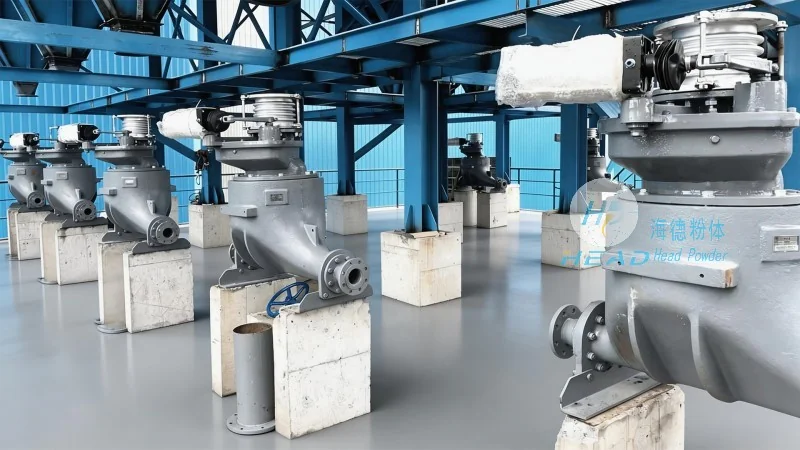
Overview of the Pneumatic Conveying System
The pneumatic conveying system for wheat bran material is a closed-loop system that employs air as the conveying medium to transport bulk materials. This system is engineered to accommodate the unique characteristics of wheat bran, such as its light weight, fine particle size, and potential for dust generation. The system integrates several key components, including a hopper, a rotary valve, a conveying line, a filter, and a dust collector, all working in unison to achieve efficient material transport.
Key Components and Their Functions
Each component of the wheat bran pneumatic conveying system plays a critical role in the overall operation. The hopper serves as the storage and feeding unit, where wheat bran is stored before being fed into the system. The rotary valve acts as a controlled feeding device, regulating the flow of wheat bran into the conveying line. The conveying line, typically constructed from stainless steel or other corrosion-resistant materials, transports the material through the system. The filter and dust collector are essential for maintaining air quality and preventing dust emissions, ensuring compliance with environmental regulations.
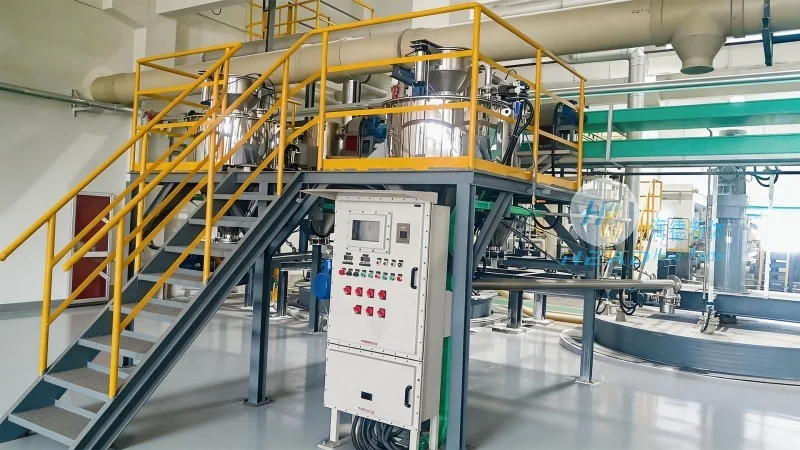
Working Principle of the System
The operation of the wheat bran pneumatic conveying system begins with the material being fed from the hopper into the rotary valve. The rotary valve then meters the material into the conveying line, where it is mixed with compressed air. The air, under pressure, propels the wheat bran particles through the system, moving them from the inlet to the outlet. The system utilizes a combination of positive and negative pressure zones to control the flow and direction of the material. The filter and dust collector remove any fine particles or dust from the air, ensuring that the exhaust air is clean and safe to release into the environment.
Operation Process Step-by-Step
The operation process of the wheat bran pneumatic conveying system can be broken down into several key steps. First, the wheat bran is loaded into the hopper. The rotary valve then starts to feed the material into the conveying line at a controlled rate. Compressed air is introduced into the system, creating a pressure differential that moves the material through the line. The material travels to the discharge point, where it is collected and used for its intended purpose. The system continuously monitors the pressure and flow rates to ensure stable operation and prevent blockages or other issues.
Advantages of the Pneumatic Conveying System
Shandong HeadPowder Engineering Co., Ltd.'s pneumatic conveying system for wheat bran offers several advantages over traditional conveying methods. The system is fully enclosed, reducing dust emissions and improving workplace safety. It is also highly efficient, with minimal material loss and low maintenance requirements. The system's flexibility allows it to be adapted to various production volumes and process requirements, making it suitable for both small and large-scale operations. Additionally, the system's ability to handle fine and light materials like wheat bran makes it an ideal choice for industries that require precise and consistent material transport.
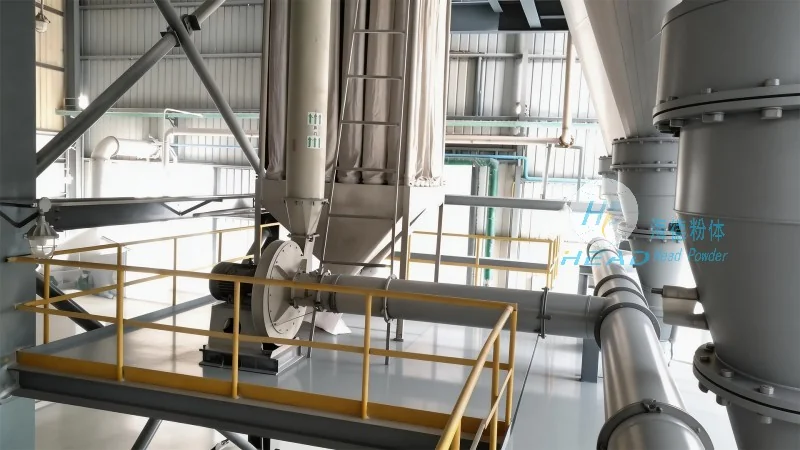
Application and Industrial Use
The wheat bran pneumatic conveying system is widely used in the food processing, animal feed, and pharmaceutical industries. In the food processing industry, it is used to transport wheat bran for use in baked goods, snacks, and other food products. In the animal feed industry, it is used to transport wheat bran as a key ingredient in feed formulations. The system's ability to maintain product quality and prevent contamination makes it a preferred choice for industries where product purity is critical.
Conclusion
Shandong HeadPowder Engineering Co., Ltd.'s pneumatic conveying system for wheat bran material is a reliable and efficient solution for transporting bulk materials in industrial applications. The system's design and operation ensure optimal performance, safety, and environmental compliance. By understanding the operation process and working principles of this system, users can maximize its benefits and achieve improved production efficiency and product quality.