

How to Design a Reasonable Metallurgical Coal Powder Pneumatic Conveying System Plan?
For companies operating in the metallurgical industry, the efficient and reliable transportation of coal powder is a critical operational requirement. The design of a pneumatic conveying system for metallurgical coal powder requires careful consideration of various technical and operational factors to ensure optimal performance, safety, and cost-effectiveness. This article provides an overview of key considerations and best practices for designing a reasonable metallurgical coal powder pneumatic conveying system plan, with a focus on the expertise of Shandong HeadPowder Engineering Co., Ltd., a leading provider in this field.
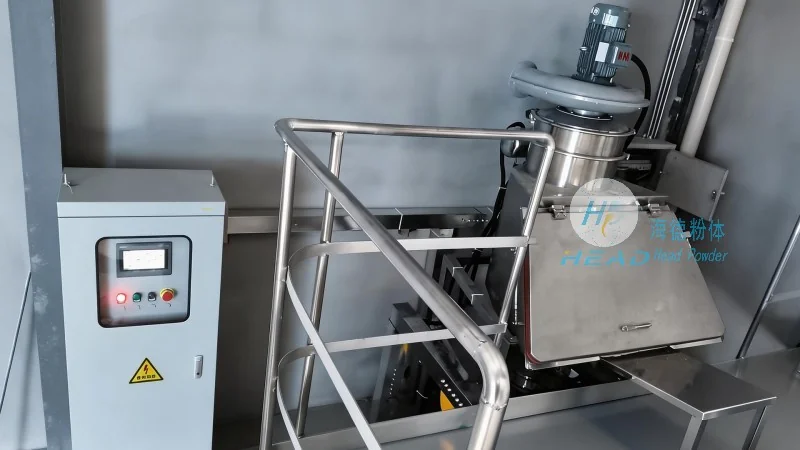
Understanding the Core Components of a Pneumatic Conveying System
A well-designed metallurgical coal powder pneumatic conveying system typically consists of several key components, each playing a vital role in the overall operation. These components include the feed hopper, which stores and feeds the coal powder; the conveying pipeline, which transports the material; the air compressor or blower, which provides the necessary air pressure; and the control system, which regulates the flow and pressure. The selection of each component must be tailored to the specific characteristics of the coal powder, such as particle size, moisture content, and bulk density, as well as the system's operational requirements, including distance, capacity, and pressure constraints.
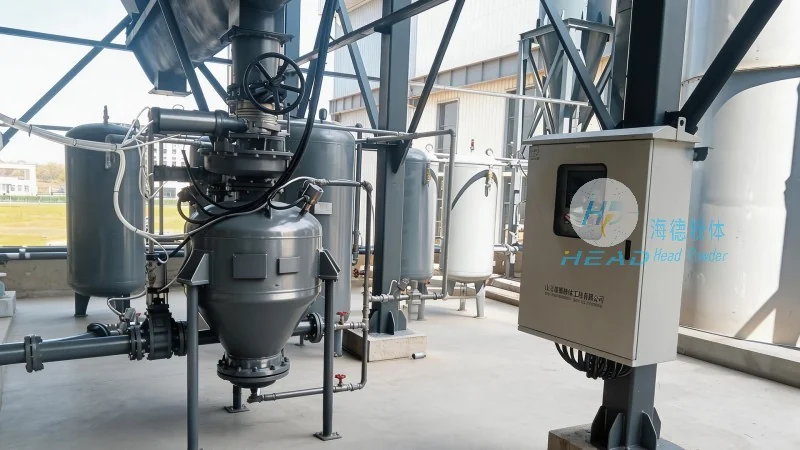
Key Design Considerations for Optimal Performance
Several critical factors must be addressed during the design phase to ensure the system operates efficiently and reliably. First, the system's capacity and flow rate must be accurately determined based on the production needs and the required throughput. This involves calculating the required air volume and pressure to move the coal powder through the pipeline without excessive pressure drops or particle degradation. Second, the pipeline layout and diameter must be optimized to minimize pressure losses and prevent blockages. Properly sized pipelines and appropriate bends and fittings are essential to maintain the flow of the powder and air mixture. Third, the choice of air compressor or blower is crucial, as it must provide sufficient pressure and volume to overcome the system's resistance while maintaining energy efficiency. Additionally, the system's control system should include features such as pressure monitoring, flow regulation, and safety interlocks to prevent accidents and ensure smooth operation.
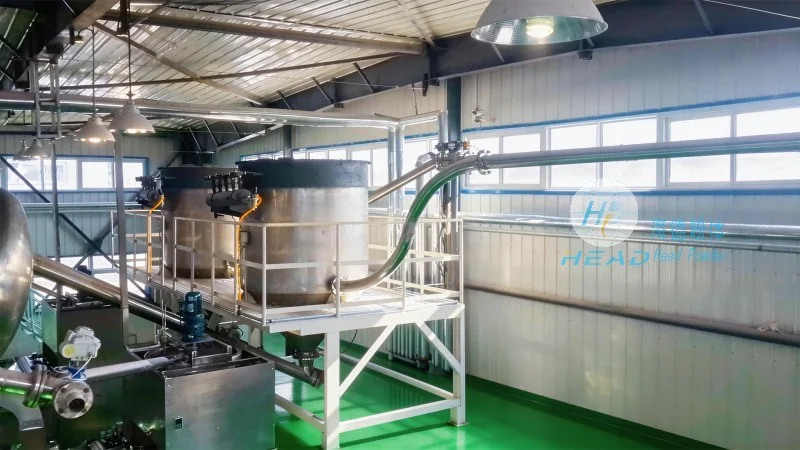
Material Selection and System Durability
Given the abrasive nature of metallurgical coal powder, the selection of materials for the system components is paramount to ensure long-term durability and minimal maintenance. The feed hopper and conveying pipeline should be constructed from corrosion-resistant and wear-resistant materials, such as stainless steel or high-grade alloys, to withstand the abrasive effects of the coal particles. The air compressor and other mechanical components should also be made from durable materials to handle the high-pressure and high-volume air requirements. Regular maintenance and inspection of these components are essential to prevent premature failure and ensure the system's longevity.
Integration with Existing Infrastructure and Safety Measures
When designing a new pneumatic conveying system or integrating it with existing infrastructure, it is essential to consider compatibility and safety. The system should be designed to fit seamlessly with the existing plant layout and operational procedures, minimizing disruptions to production. Safety measures, such as explosion-proof designs for the air compressor and proper venting systems, are critical to prevent accidents and comply with industry regulations. Additionally, the system should include features like dust collection and filtration to maintain air quality and comply with environmental standards.
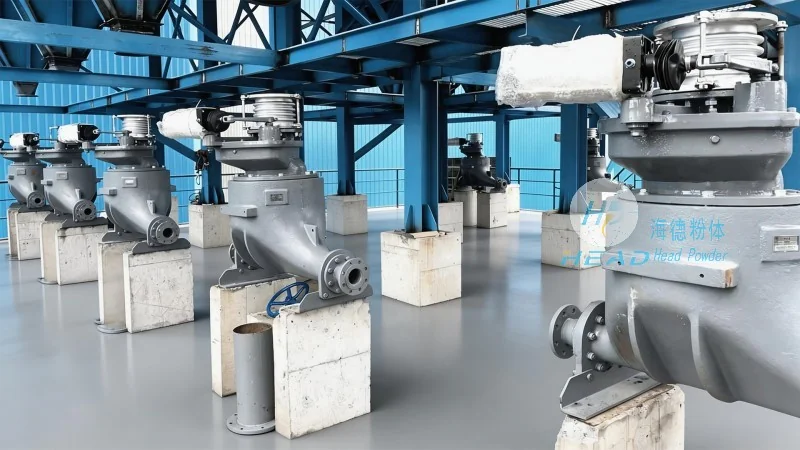
Conclusion and Expert Guidance from Shandong HeadPowder Engineering Co., Ltd.
Designing a reasonable metallurgical coal powder pneumatic conveying system requires a comprehensive approach that considers technical specifications, operational requirements, and safety standards. By carefully evaluating the system's components, material selection, and integration with existing infrastructure, companies can achieve efficient and reliable coal powder transportation. Shandong HeadPowder Engineering Co., Ltd., with its extensive experience and expertise, offers tailored solutions to meet the specific needs of metallurgical operations, ensuring optimal performance and long-term reliability.