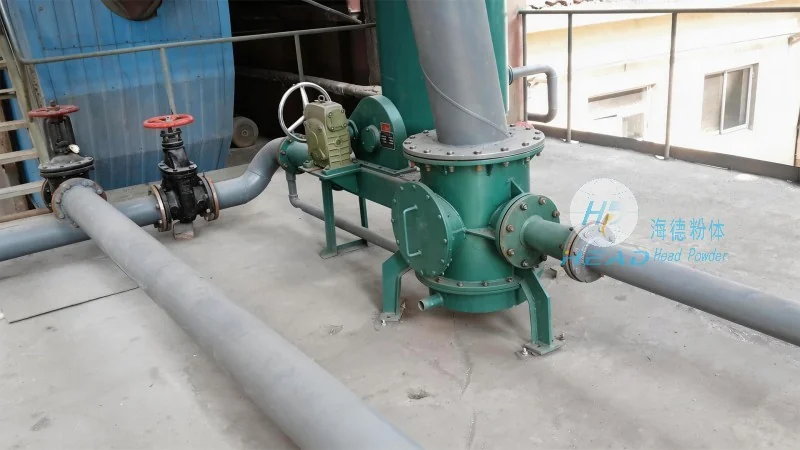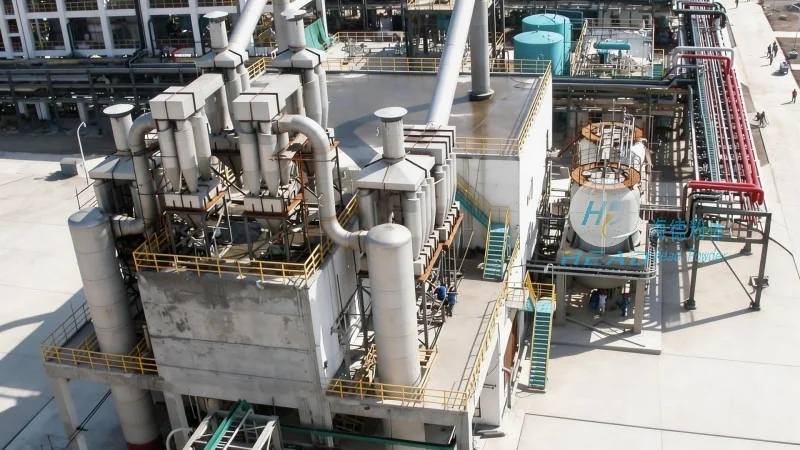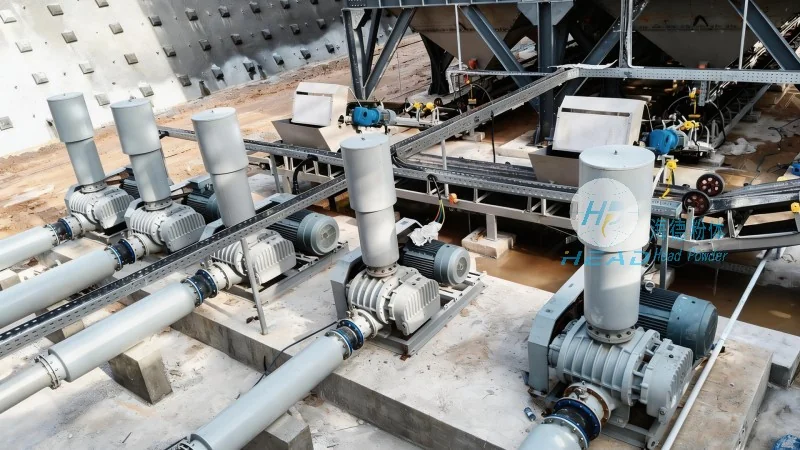

Mud pneumatic conveying systems represent a specialized segment within the broader bulk material handling industry, addressing the unique challenges posed by high-moisture, viscous, or semi-solid materials. Unlike conventional pneumatic conveying designed for dry powders or granules, mud pneumatic conveying requires an integrated approach that combines air pressure management, pipeline geometry optimization, and material conditioning to maintain flow stability and prevent blockages. As global industries such as oil & gas drilling, mining tailings management, and municipal sludge treatment expand their operational scales, the demand for reliable, energy-efficient mud conveying solutions has grown substantially. Industry projections for 2026 indicate that the global pneumatic conveying system market, including mud-handling variants, is expected to exceed USD 35 billion, with a compound annual growth rate of approximately 6.2%. This upward trajectory is driven by stricter environmental regulations, the need for closed-loop material transport, and the ongoing digitization of process control systems. For operators handling drilling mud, dewatered sludge, or thickened tailings, the ability to convey such materials over distances exceeding 500 meters without spillage or degradation is no longer a technical luxury but a compliance and productivity necessity. This article provides a comprehensive overview of mud pneumatic conveying systems, covering their fundamental principles, core components, design considerations, and emerging technological trends. It aims to serve as a practical reference for engineers, procurement specialists, and plant managers seeking to evaluate or upgrade their material handling infrastructure.
Mud pneumatic conveying operates on the principle of using compressed air or an inert gas as the conveying medium to transport a mixture of solid particles and liquid through a pipeline. Unlike dilute phase pneumatic conveying, which relies on high air velocity to suspend particles, mud conveying typically utilizes dense phase or plug flow regimes. This is because mud exhibits non-Newtonian rheology—its viscosity changes with shear rate and solids concentration. In dense phase conveying, the material is extruded as discrete slugs or plugs, separated by pockets of compressed air, allowing for lower air velocities (often below 10 m/s) and reduced pipe wear. The key thermodynamic and fluid mechanical parameters include the solids-to-air ratio (typically ranging from 30:1 to 80:1 by mass for mud applications), the pressure drop per unit length (which can vary from 0.05 to 0.3 bar/m depending on pipeline diameter and mud consistency), and the critical transport velocity below which pipe blockage occurs. Advanced computational fluid dynamics (CFD) simulations now enable engineers to model mud flow behavior with an accuracy of ±5%, incorporating factors such as particle size distribution (ranging from 0.1 mm to 5 mm in typical drilling mud), liquid phase viscosity (up to 100,000 cP for certain polymer-based muds), and wall slip effects. These models are validated using industrial-scale test loops, providing reliable data for system scaling.

A complete mud pneumatic conveying installation consists of several interdependent sub-systems, each engineered for specific material properties and operational conditions. The primary components include a material feeding device, a compressor or blower unit, a conveying pipeline network, a separation and filtration system, and a control panel. For mud applications, the feeding device is often a positive displacement pump (e.g., piston pumps or screw pumps) that can handle high solids content and variable viscosity while maintaining a continuous or pulsed feed rate. The air compressor must deliver pressures typically in the range of 2 to 10 bar gauge, with volumetric flow rates selected to achieve the desired transport velocity. Pipeline materials are critical: for abrasive muds containing silica or barite, wear-resistant steel alloys with a Brinell hardness of 400 HB or more, or ceramic-lined pipes, are recommended to extend service life beyond 10,000 operating hours. The separation system at the discharge end usually comprises a cyclone separator or a bag filter, designed to handle up to 99.5% particulate capture while allowing the compressed air to vent safely. In closed-loop configurations, the cleaned air is recirculated to the compressor intake, reducing energy consumption by 15–25% compared to open-loop designs. Modern systems integrate programmable logic controllers (PLCs) with real-time monitoring of pressure, flow, temperature, and vibration, enabling predictive maintenance and automated adjustments to changing mud characteristics.


Selecting the right mud pneumatic conveying system requires a thorough assessment of the material's physical and chemical properties, as well as the operational constraints of the facility. The first parameter to evaluate is the solids concentration, often expressed as weight percent or specific gravity. For instance, drilling mud used in oil and gas operations typically has a specific gravity between 1.2 and 2.4, with solids content up to 50% by weight. The second critical parameter is the particle size spectrum: a wide distribution (e.g., from fine silt to coarse sand) can lead to segregation and potential blockages. A common rule of thumb is that the maximum particle diameter should not exceed one-third of the pipeline inner diameter to minimize bridging. Third, the mud's yield stress and thixotropic behavior must be quantified using a rheometer; materials with high yield stress (above 500 Pa) often require aeration or vibration assist at the feed point. Pipeline layout also plays a vital role. Horizontal runs should be limited to 300 meters between booster stations for dense phase operation, while vertical lifts of up to 30 meters are feasible with properly designed air injection points. Industry standards such as ISO 9001 and ASME B31.1 provide guidelines for pressure ratings and safety factor margins (typically 3:1 for burst pressure). The selection of conveying velocity is a balancing act: too low leads to settling and plugging; too high causes excessive wear and energy loss. For non-Newtonian muds, the optimal velocity window is often between 3 and 8 m/s, determined through pilot testing or historical data from similar installations.
The mud pneumatic conveying landscape is evolving rapidly, driven by digitalization, sustainability mandates, and the need for higher throughput with lower operational costs. One notable trend is the adoption of intelligent control systems that use machine learning algorithms to predict flow regime transitions. By continuously analyzing pressure fluctuation patterns and solids concentration data from inline sensors (e.g., microwave-based moisture analyzers or gamma-ray densitometers), these systems can adjust air injection intervals or pump speed in real time, reducing energy consumption by up to 18% compared to fixed-setpoint controls. Another emerging technology is the use of hybrid conveying systems that combine pneumatic and mechanical conveying (e.g., screw feeders at the inlet) to handle materials with extreme moisture variability, such as centrifuge dewatered sludge with 70–85% moisture content. In the drilling sector, closed-loop mud recycling systems are becoming standard, where the pneumatic system not only transports used mud from the rig to the treatment plant but also circulates conditioned mud back. This reduces fresh water consumption by 30–40% and lowers waste disposal volumes. Furthermore, the integration of renewable energy sources—such as solar-powered air compressors—is gaining traction in remote mining or oil field applications, aligning with global net-zero targets. The industry is also moving toward standardized modular skid-mounted units, which reduce installation time by 50% and allow for easy scalability. For example, a typical modular mud pneumatic package with a capacity of 20 tons per hour can be containerized and deployed within two days, a significant advantage for temporary drilling sites.
Real-world implementations of mud pneumatic conveying systems demonstrate their versatility and reliability. In the oil and gas sector, a major drilling contractor operating in the Permian Basin implemented a dense phase system to transport barite-weighted drilling mud from bulk storage to the mud mixing hopper, a distance of 800 meters. The system handles 15 tons per hour with a pressure drop of only 0.12 bar per meter, reducing truck traffic by 40 trips per day and eliminating spillage risks. The key to success was a custom-designed pump with hardened steel liners that achieved a wear life of 12,000 hours before requiring maintenance, exceeding the initial design target by 20%. In municipal wastewater treatment, a plant in Germany processing 50,000 cubic meters of sewage daily installed a mud pneumatic system to convey dewatered sludge (85% moisture) to a thermal drying unit. The system uses a combination of low-pressure air (3 bar) and a specially designed venturi injector to break the sludge into discrete plugs, preventing the formation of massive clogs. Over three years of operation, the system achieved a blockage rate of less than one event per 5,000 operating hours, with an overall conveying efficiency of 92%. In the mining industry, a Chilean copper mine adopted a mud pneumatic system to transport thickened tailings (55% solids by weight) from the thickener underflow to the paste backfill plant. The system operates continuously at 25 tons per hour, with automated velocity control that reduces pipe wear by 30% compared to the previous hydraulic pumping method. These cases illustrate how site-specific engineering, combined with robust component selection, can deliver measurable improvements in uptime, safety, and total cost of ownership.
To maintain optimal performance of a mud pneumatic conveying system, operators should follow a structured maintenance regimen aligned with the system's duty cycle and material abrasiveness. Daily checks include monitoring compressor oil levels, inspecting pipeline pressure gauges for deviations above ±5% of setpoint, and reviewing the vibration signature of the feeding device. Weekly, the system should undergo a visual inspection of wear points—such as pipe bends and valve seats—using ultrasonic thickness gauges to measure wall loss. For systems handling abrasive materials, a common practice is to rotate pipe sections every 500 operating hours to distribute wear evenly, extending the pipeline's useful life by 40%. The control system's predictive analytics module should be calibrated quarterly with actual blockage data to improve its diagnostic accuracy. In terms of emergency response, operators must be trained to execute the "purge cycle" protocol: when a pressure surge above 1.5 times the normal operation is detected, the PLC automatically injects a high-velocity air burst (up to 20 m/s) for 10 seconds to dislodge any forming plugs. This feature alone can reduce unscheduled downtime by 60%. Finally, spare parts management should prioritize components with the highest failure rates, typically sealing elements in the feeding pump and check valves. Holding a minimum of two sets of these spare parts for every 3000 operating hours is recommended. By implementing these practices, facilities have reported system availability rates exceeding 98% over a five-year period.
When evaluating suppliers for a mud pneumatic conveying system, the depth of experience in handling specific mud types and the availability of in-house testing facilities are critical differentiators. headpowder, with over a decade of specialization in pneumatic conveying solutions, offers comprehensive services from material characterization to system integration. Their engineering team utilizes a 200-meter full-scale test loop capable of simulating mud conveying with varying solids concentrations and particle sizes, providing clients with verified performance guarantees before installation. A recent project for a Southeast Asian palm oil mill involved conveying palm oil mill effluent sludge (80% moisture) over a 600-meter route with a 15-meter elevation gain; headpowder's dense phase design achieved a consistent throughput of 12 tons per hour with a specific energy consumption of just 1.8 kWh per ton, lower than the industry average by 22%. For clients requiring compliance with international standards such as ATEX for explosive environments or CE for European markets, headpowder provides fully certified systems along with detailed documentation. A partnership begins with an on-site audit and material sample analysis, followed by a preliminary system sizing report delivered within two weeks. The company's after-sales support includes remote monitoring services and a 24/7 technical hotline, ensuring that any operational issues are addressed within four hours. headpowder(咨询热线:156-6277-7102)welcomes inquiries from companies looking to improve the reliability and efficiency of their mud handling processes.
As the global economy transitions toward circular resource management, mud pneumatic conveying systems will play an increasingly pivotal role in enabling the safe and efficient transport of by-products that were traditionally landfilled or trucked. By 2028, experts predict that automated, AI-driven mud conveying systems will become mainstream, with self-optimizing algorithms capable of adapting to real-time changes in mud rheology without human intervention. For decision-makers, the immediate recommendation is to conduct a total cost of ownership (TCO) analysis that accounts for not only capital expenditure but also energy, maintenance, and downtime costs. For existing facilities, retrofitting older hydraulic or truck-based mud transport systems with pneumatic conveying can yield payback periods of 12 to 18 months. Additionally, investing in modular system designs allows for future capacity expansions without major civil works. Regulatory bodies are also tightening emission standards for mud transport; pneumatic systems, being fully enclosed, inherently meet the most stringent volatile organic compound (VOC) and particulate emission requirements. Companies that adopt these technologies early will not only improve their operational resilience but also gain a competitive edge in sustainability reporting. The next decade will see mud pneumatic conveying evolve from a niche application into a standard practice across multiple heavy industries, driven by proven technical reliability and compelling economic returns.
Shandong headpowder Engineering Co., Ltd.
156-6277-7102(Manager Zhang)
0531-83386006
Jinan City, Shandong Province, China 
服务热线
微信咨询
回到顶部