

Operation Process and Working Principle of Flake Graphite Powder Pneumatic Conveying System
For industrial applications involving the handling of flake graphite powder, a pneumatic conveying system offers an efficient and reliable method to transport material from one location to another. This technology is particularly valuable in processes where traditional mechanical conveying methods may be less suitable due to the delicate nature of the powder or the need for dust-free environments. The system combines the principles of fluid dynamics and material handling to achieve seamless and continuous transport of flake graphite powder.
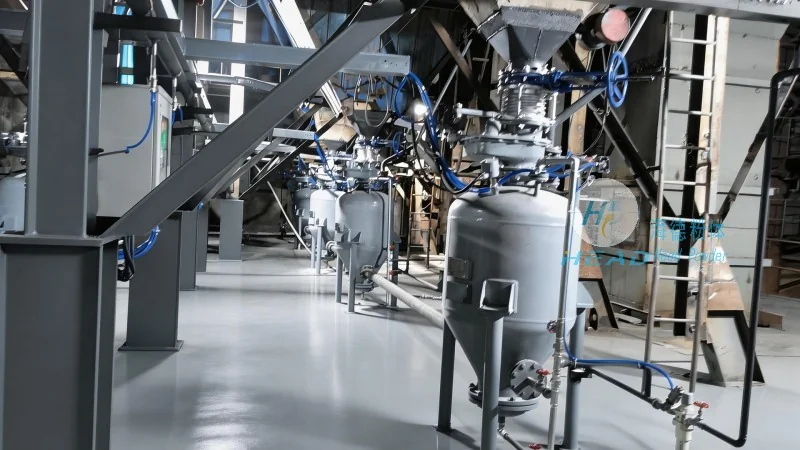
Introduction to the Flake Graphite Powder Pneumatic Conveying System
A pneumatic conveying system for flake graphite powder is a specialized piece of equipment designed to move dry powder materials through a pipeline using air or other gas as the conveying medium. This system is widely used in the graphite industry, where the efficient and safe transport of flake graphite is critical for downstream processing, storage, and distribution. The system's design typically includes several key components that work in tandem to ensure optimal performance and minimal material loss.
Key Components and Their Roles
The core components of a flake graphite powder pneumatic conveying system include the material feed unit, the air supply system (such as a blower or compressor), the conveying pipeline, the separation and collection equipment, and the exhaust system. Each component plays a crucial role in the overall operation:
1. Material Feed Unit: This is where the flake graphite powder is introduced into the system. It may consist of a hopper or a rotary valve that controls the flow rate of the powder into the pipeline. Proper feeding is essential to maintain a consistent flow and prevent blockages or uneven material distribution.
2. Air Supply System: The air supply unit generates the necessary pressure or vacuum to move the powder through the pipeline. In a suction system, a vacuum pump creates a low-pressure environment that draws the powder and air mixture into the pipeline. In a pressure system, a blower or compressor pushes air into the pipeline, forcing the powder to move forward.
3. Conveying Pipeline: The pipeline is the main channel through which the powder and air mixture travels. It is typically made of materials like stainless steel or plastic to prevent corrosion and ensure durability. The pipeline may include bends, expansions, or contractions to guide the flow and maintain the velocity of the mixture.
4. Separation and Collection Equipment: At the end of the conveying line or at intermediate points, the powder is separated from the air. This is often achieved using a cyclone separator or a bag filter. The separated powder is collected in a hopper or storage bin, while the air is either filtered and recirculated or vented to the atmosphere.
5. Exhaust System: This component handles the air that has passed through the separation process. In some systems, the air is filtered to remove any residual dust before being released, ensuring compliance with environmental regulations and maintaining air quality in the facility.
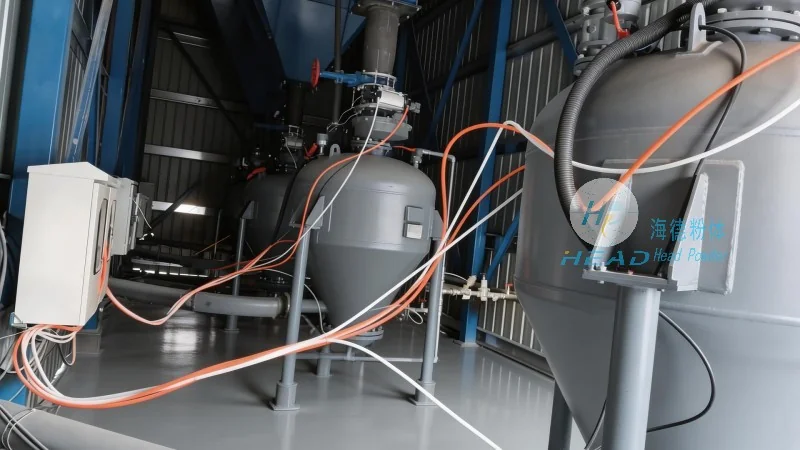
Operation Process: Step-by-Step Overview
The operation of a flake graphite powder pneumatic conveying system follows a systematic sequence of steps that ensure the material is transported efficiently and safely:
1. Initial Setup and Preparation: The system is prepared by checking all components for proper functioning, ensuring the air supply is ready, and verifying that the material feed unit is loaded with the appropriate amount of flake graphite powder.
2. Material Feeding: The powder is fed into the system at a controlled rate. The feed unit may adjust the flow based on the system's requirements to maintain a stable flow rate.
3. Air Intake and Mixing: The air supply system activates, creating either a vacuum (in suction systems) or pressure (in pressure systems). The powder is drawn or pushed into the pipeline, where it mixes with the air to form a suspension.
4. Pipeline Transport: The air-powder mixture travels through the pipeline at a velocity sufficient to keep the powder particles suspended. The design of the pipeline, including its diameter and bends, is optimized to maintain this velocity and prevent particle settling or blockages.
5. Separation and Collection: At the receiving end, the mixture enters a separator. The centrifugal force in a cyclone or the filtration in a bag filter causes the powder to separate from the air. The separated powder is collected in a container, while the air is either filtered and recirculated or released.
6. System Shutdown and Maintenance: Once the transport is complete, the system is shut down in a controlled manner. This includes stopping the air supply and ensuring all components are properly secured. Regular maintenance is performed to check for wear, leaks, or blockages and to replace parts as needed.
Working Principle: The Science Behind Pneumatic Conveying
The working principle of a pneumatic conveying system for flake graphite powder is based on the concept of fluidization and the momentum transfer between the air and the powder particles. In a suction system, the vacuum created by the pump reduces the pressure inside the pipeline, causing the surrounding air to be drawn into the system and mix with the powder. The resulting mixture is then transported through the pipeline. In a pressure system, the blower or compressor increases the pressure inside the pipeline, pushing the air and powder mixture forward.
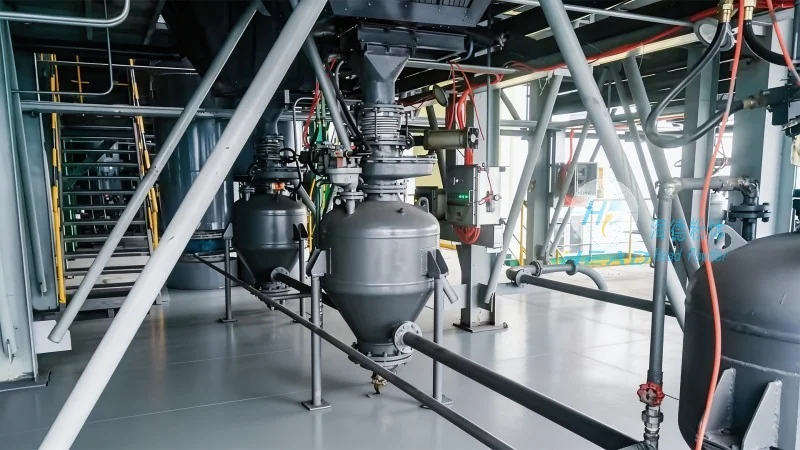
The key to effective pneumatic conveying is maintaining the powder particles in a suspended state. This is achieved by ensuring the air velocity in the pipeline is high enough to overcome the gravitational force acting on the particles. The Reynolds number and the particle size distribution of the flake graphite powder are critical factors that determine the optimal air velocity and system design. Proper design ensures that the powder remains suspended throughout the conveying process, preventing clogging and ensuring consistent flow rates.
Advantages of Using a Pneumatic Conveying System for Flake Graphite
Implementing a pneumatic conveying system for flake graphite powder offers several advantages over traditional mechanical conveying methods:
1. Efficiency and Speed: Pneumatic systems can transport materials over long distances and at high speeds, reducing overall processing time compared to mechanical systems that may require multiple stages or manual handling.
2. Reduced Downtime: The continuous nature of pneumatic conveying allows for uninterrupted material flow, minimizing downtime and increasing production throughput.
3. Low Maintenance: Compared to mechanical conveyors, pneumatic systems have fewer moving parts and are less prone to wear and tear, resulting in lower maintenance costs and longer service life.
4. Flexibility and Layout: Pneumatic conveying systems can be easily reconfigured or expanded to accommodate changes in production needs or facility layout. The pipeline can be installed in various configurations, including vertical, horizontal, or a combination of both.
5. Environmental Benefits: By containing the powder within a closed system, pneumatic conveying reduces dust emissions and improves workplace safety. This is particularly important for flake graphite powder, which can be hazardous if inhaled or if it creates a dust explosion risk.