

Operation Process and Working Principle of Potassium Hydroxide Powder Pneumatic Conveying System
For industries dealing with potassium hydroxide (KOH) powder, efficient and reliable material handling is crucial to maintain production efficiency and ensure product quality. The pneumatic conveying system, particularly designed for handling KOH powder, offers a solution that minimizes dust exposure, optimizes material transport, and enhances overall operational safety. This article provides an in-depth look at the operation process and working principle of such a system, highlighting its benefits and the technical aspects that make it suitable for KOH powder handling.
Introduction to Potassium Hydroxide Powder and Pneumatic Conveying
Potassium hydroxide is a strong alkaline chemical widely used in various industries, including chemical manufacturing, food processing, and pharmaceuticals. As a fine powder, KOH can be challenging to handle due to its hygroscopic nature and potential for dust generation. Traditional methods like bucket elevators or belt conveyors may not be ideal for such applications, as they can lead to material degradation, increased maintenance, and safety hazards. Pneumatic conveying systems provide an alternative that addresses these challenges by using air to transport the powder in a sealed environment, reducing exposure to moisture and contaminants.
Key Components of the Pneumatic Conveying System
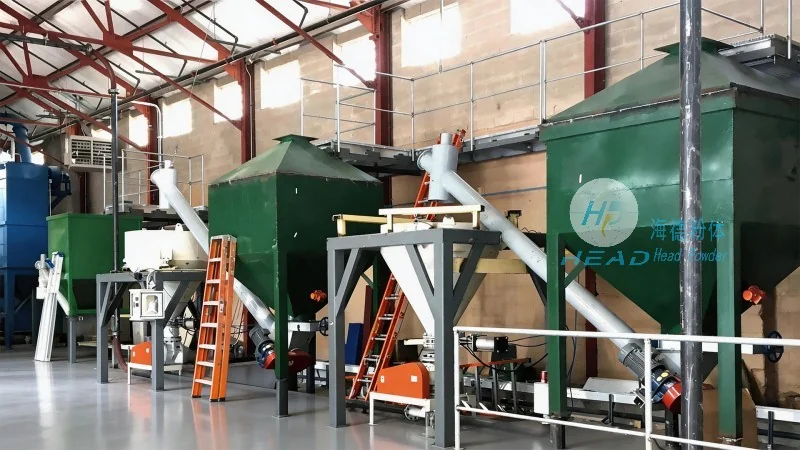
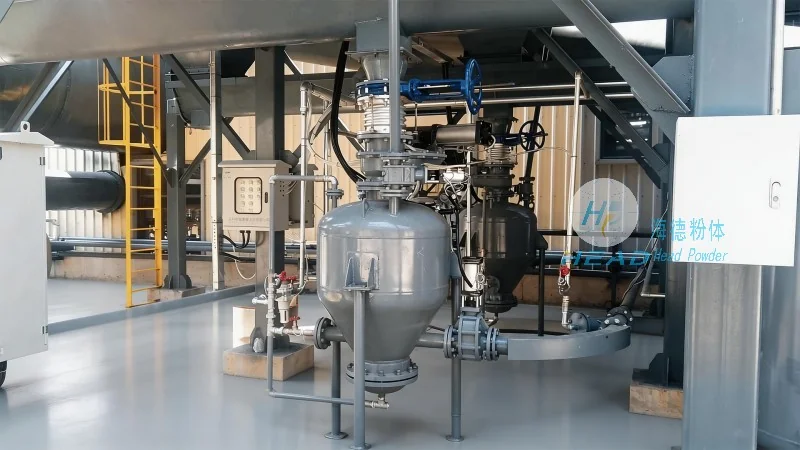
The pneumatic conveying system for KOH powder typically consists of several key components that work in tandem to ensure efficient material transport. These components include the hopper (or storage silo), a feeder (often a rotary valve or screw feeder), a conveying line (usually made of stainless steel to resist corrosion from KOH), a pressure vessel or receiver, and a dust collector or filter system. Each component plays a critical role in the overall operation of the system.
Working Principle of the Pneumatic Conveying System
The operation of the pneumatic conveying system begins with the loading of KOH powder into the hopper. The feeder then controls the flow rate of the powder into the conveying line. Compressed air is introduced into the system, creating a flow that pulls the powder particles along the line. The air-powder mixture travels through the conveying line to the receiver or destination point. The receiver may be a storage tank or a processing unit where the powder is discharged. The air is then filtered and recycled back into the system, ensuring minimal waste and maintaining a clean environment.
Operation Process: Step-by-Step Overview
The operation process of the KOH powder pneumatic conveying system involves several sequential steps that ensure smooth and continuous material handling. First, the hopper is filled with KOH powder, and the system is prepared for operation. The feeder is activated to start the powder flow, and compressed air is turned on to initiate the conveying process. The powder is transported through the line to the receiver, where it is collected. The system continuously monitors the flow rate and pressure to maintain optimal performance. Any excess air is filtered and returned to the system, completing the cycle.
Benefits of Using a Pneumatic Conveying System for KOH Powder
Implementing a pneumatic conveying system for KOH powder offers numerous advantages over traditional handling methods. These benefits include reduced dust exposure, which improves workplace safety and product quality. The sealed system also minimizes contamination from moisture or other environmental factors, preserving the purity of the KOH powder. Additionally, the system reduces material degradation and wear on equipment, leading to lower maintenance costs and longer equipment life. The energy efficiency of pneumatic conveying, especially with optimized air flow, can also contribute to cost savings over time.
Technical Considerations for KOH Powder Handling
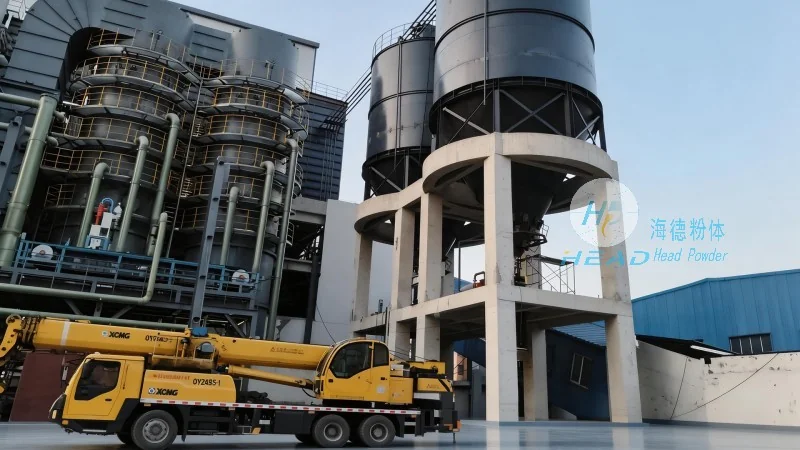
When designing a pneumatic conveying system for KOH powder, several technical considerations must be taken into account to ensure optimal performance and longevity. The material of construction is critical, as KOH is highly corrosive. Stainless steel, particularly 316L, is commonly used for components that come into direct contact with the powder to resist corrosion. The system must also be designed to handle the hygroscopic nature of KOH, which can lead to clumping or caking if not properly managed. Proper drying and conditioning of the powder before conveying can help prevent these issues. Additionally, the air pressure and flow rate must be carefully calibrated to avoid excessive wear on the conveying line and to ensure efficient transport without causing damage to the powder particles.
Conclusion: Enhancing Efficiency with Pneumatic Conveying
The pneumatic conveying system for potassium hydroxide powder is a sophisticated solution that addresses the unique challenges of handling this chemical. By understanding the operation process and working principle of the system, industries can leverage its benefits to improve production efficiency, maintain product quality, and ensure workplace safety. As a leading provider in this field, Shandong HeadPowder Engineering Co., Ltd. specializes in designing and manufacturing such systems tailored to the specific needs of KOH powder handling, offering reliable and efficient solutions for various industrial applications.