

Operation Process and Working Principle of Sorghum Distillers Grains Powder Pneumatic Conveying Syst
The system developed by Shandong HeadPowder Engineering Co., Ltd. is specifically designed for the efficient handling of sorghum distillers grains powder. This technology represents a sophisticated solution in the field of bulk material transportation, ensuring reliable and low-loss transfer of the material from the source to the destination. The following sections will detail the operational process and the underlying working principles of this pneumatic conveying system.
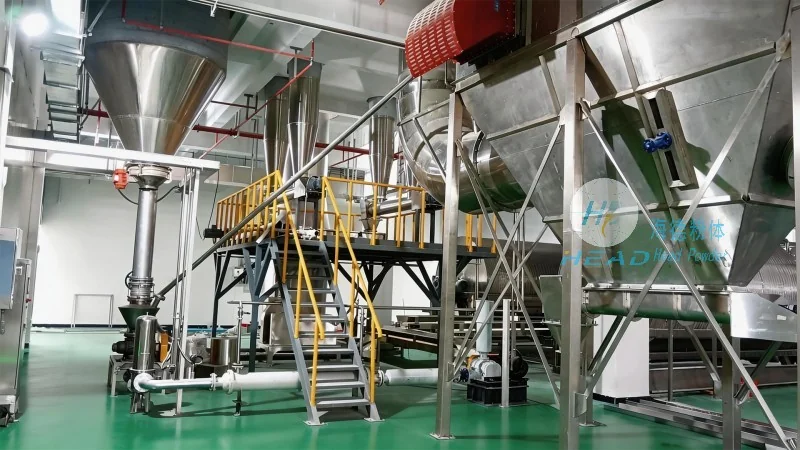
Company Overview: Shandong HeadPowder Engineering Co., Ltd.
Headpowder, as a professional engineering company based in Shandong, China, specializes in the design, manufacturing, and implementation of advanced material handling systems. With a focus on innovation and precision, the company has established itself as a key player in providing solutions for challenging powder and bulk material applications. The sorghum distillers grains powder pneumatic conveying system is a testament to their expertise in integrating cutting-edge technology with practical industrial needs.
System Components and Their Functions
The pneumatic conveying system for sorghum distillers grains powder comprises several critical components, each playing a vital role in the overall operation. The main components include the material hopper, the air supply system, the conveying pipeline, the control unit, and the discharge device. The material hopper is responsible for storing the sorghum distillers grains powder, ensuring a consistent feed into the system. The air supply system, typically powered by a high-pressure blower or compressor, generates the necessary airflow to transport the powder particles through the pipeline. The conveying pipeline, made of durable materials such as stainless steel or plastic, is designed to withstand the abrasive nature of the powder and maintain the integrity of the material during transport. The control unit monitors and regulates the airflow and material flow rates, ensuring optimal performance and preventing system overload. Finally, the discharge device, such as a rotary valve or a dust collector, manages the release of the powder at the destination point.
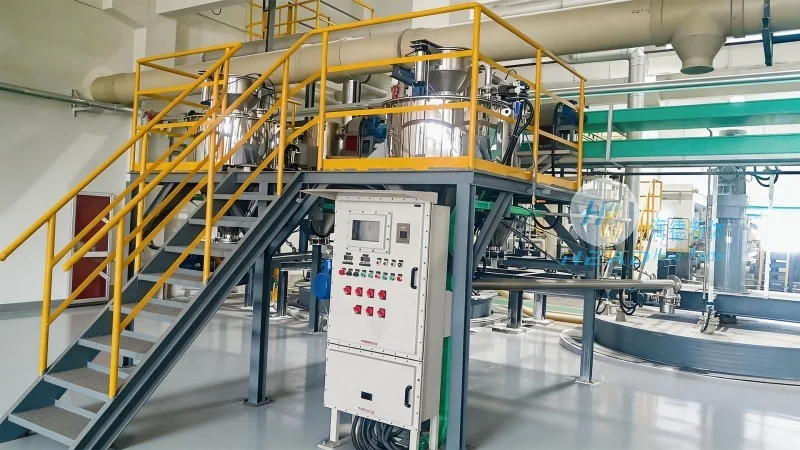
Operation Process of the Pneumatic Conveying System
The operation of the sorghum distillers grains powder pneumatic conveying system follows a systematic sequence of steps. Initially, the sorghum distillers grains powder is fed into the material hopper from the storage silo or processing unit. The hopper is equipped with a feeder mechanism, such as a screw feeder or a rotary valve, which controls the flow rate of the material into the system. Simultaneously, the air supply system is activated, and the blower starts to generate a high-pressure airflow. The airflow is then introduced into the conveying pipeline at the inlet of the hopper, creating a positive pressure environment. As the powder particles enter the pipeline, they are entrained by the airflow and carried along the pipeline to the discharge point. The control unit continuously monitors the pressure and flow rates, adjusting the air supply as needed to maintain a stable conveying condition. Upon reaching the destination, the powder is discharged through the discharge device, which may be connected to a storage tank, a processing line, or another handling system. The entire process is automated, with the control unit ensuring smooth and continuous operation, minimizing downtime and maximizing material throughput.
Working Principle of the Pneumatic Conveying System
The working principle of the sorghum distillers grains powder pneumatic conveying system is based on the fundamental concept of fluidization and particle suspension. When the high-pressure air is introduced into the conveying pipeline, it creates a turbulent flow that lifts and transports the powder particles. The key to efficient conveying lies in achieving a proper balance between the air velocity and the particle size and density. If the air velocity is too low, the powder particles may settle and cause blockages; if it is too high, excessive energy consumption and particle attrition may occur. The system is designed to operate within an optimal range of air velocities, typically between 20 to 30 meters per second, depending on the specific characteristics of the sorghum distillers grains powder. The air flow also helps to prevent agglomeration of the powder particles, ensuring that each particle is individually suspended and transported. This suspension mechanism is crucial for maintaining the quality of the powder, as it prevents the formation of clumps that could lead to clogging or loss of material. The control unit plays a critical role in maintaining this balance by adjusting the air pressure and flow rate in real-time, based on the feedback from pressure sensors and flow meters installed along the pipeline.
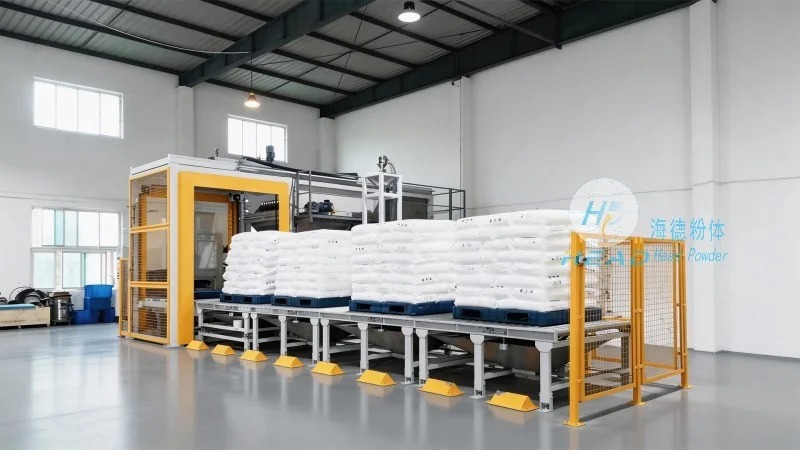
Advantages of the Sorghum Distillers Grains Powder Pneumatic Conveying System
Implementing a pneumatic conveying system for sorghum distillers grains powder offers several significant advantages over traditional methods such as belt conveyors or bucket elevators. Firstly, the system provides a dust-free and hygienic handling environment, which is essential for maintaining the quality of the powder, especially in food and feed applications. The enclosed pipeline design prevents the release of fine particles into the air, reducing the risk of inhalation by workers and contamination of the product. Secondly, the system offers high efficiency in terms of material throughput, with the ability to transport large volumes of powder at a consistent rate. This leads to increased productivity and reduced labor costs, as the system can operate continuously without the need for frequent manual intervention. Thirdly, the system is highly flexible and can be easily integrated with existing processing lines or storage facilities. The modular design allows for customization of the system to meet specific operational requirements, such as varying material feed rates or destination points. Additionally, the system is low-maintenance, with minimal moving parts and no need for regular lubrication or replacement of components, resulting in lower operational costs over the long term.
Conclusion
The sorghum distillers grains powder pneumatic conveying system developed by Shandong HeadPowder Engineering Co., Ltd. represents a cutting-edge solution for the efficient and reliable handling of this challenging material. By combining advanced engineering with practical application, the system ensures optimal performance, minimal material loss, and a safe working environment. The detailed operation process and working principles outlined above demonstrate the sophistication of the system and its suitability for various industrial applications. As a leading provider of material handling solutions, Headpowder continues to innovate and improve its products to meet the evolving needs of the industry, providing customers with reliable and efficient systems that enhance productivity and operational efficiency.