

Operation Process and Working Principle of Magnesium Silicate Material Handling System Equipment
HeadPowder, a leading engineering company based in Shandong, China, specializes in the design, manufacturing, and integration of advanced material handling systems. The magnesium silicate material handling system is a sophisticated piece of equipment engineered to efficiently transport and manage magnesium silicate, a key industrial raw material used in various applications such as refractory production, ceramics, and chemical processing. This system combines cutting-edge technology with robust engineering to ensure reliable performance, high efficiency, and minimal downtime.
Key Components and Their Functions
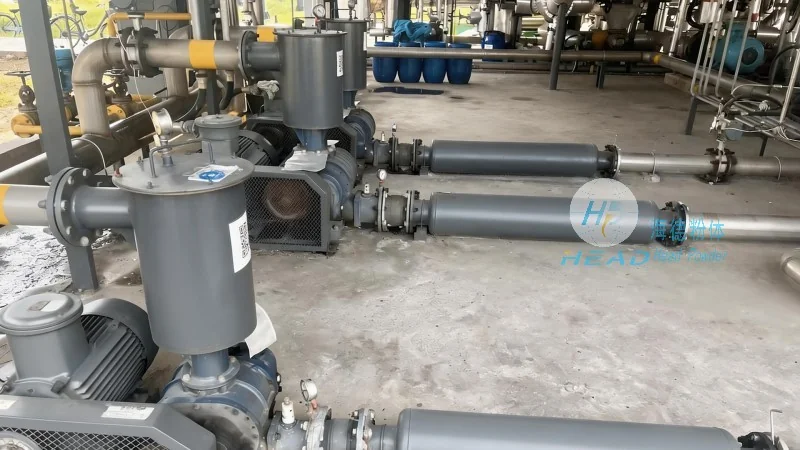
The magnesium silicate material handling system comprises several critical components, each playing a vital role in the overall operation. The primary components include:
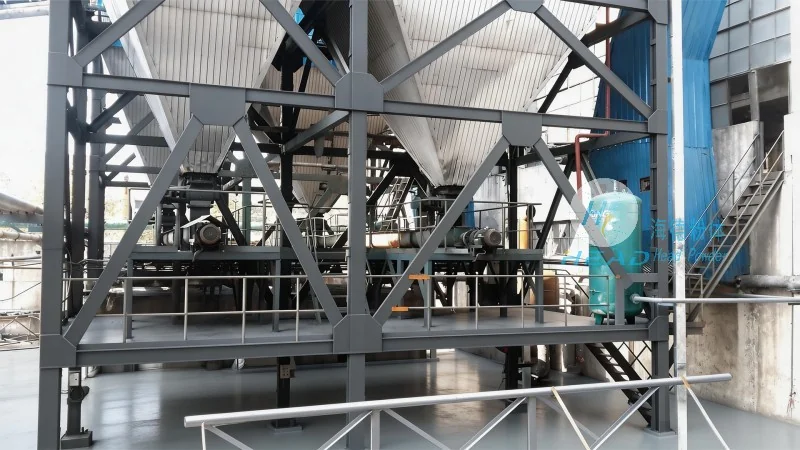
- Hopper and Feeder: The system starts with a large hopper designed to store and feed magnesium silicate material. The feeder, typically a rotary or vibratory type, regulates the flow of material into the subsequent processing stages, ensuring a consistent and controlled feed rate.
- Conveyor System: A robust conveyor, often a belt or screw conveyor, transports the material from the hopper to the processing or storage areas. The conveyor is equipped with variable speed drives to adjust the transport speed based on operational needs.
- Dust Control System: Given the nature of magnesium silicate, which can generate dust during handling, the system incorporates an effective dust control mechanism. This includes dust collection hoods, filters, and ventilation systems to maintain a safe and clean working environment.
- Control Panel and Automation: The system is equipped with a user-friendly control panel that allows operators to monitor and control various functions. Advanced automation features, such as PLC (Programmable Logic Controller) integration, enable precise control over the entire process, enhancing operational efficiency and reducing human error.
Operation Process of the System
The operation of the magnesium silicate material handling system follows a systematic process, ensuring smooth and continuous material flow. The process begins when material is loaded into the hopper. The feeder then activates, controlling the material discharge rate into the conveyor. The conveyor transports the material to the next stage, such as a processing unit or storage silo. Throughout the process, the dust control system operates to minimize dust emissions. The control panel allows operators to adjust parameters like feed rate and conveyor speed as needed. The system is designed to operate continuously, with regular maintenance checks to ensure optimal performance.
Working Principle Explained
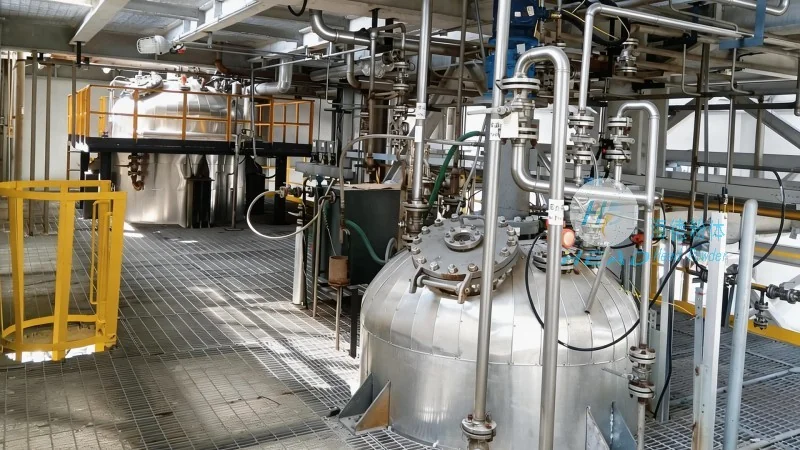
The working principle of the magnesium silicate material handling system is based on mechanical and pneumatic processes. The hopper stores the bulk material, and the feeder regulates the flow by using mechanical forces (e.g., rotation or vibration) to move the material towards the conveyor. The conveyor then uses friction or screw action to transport the material horizontally or vertically, depending on the system design. The dust control system uses suction and filtration to capture airborne particles, preventing contamination and ensuring compliance with safety standards. The automation system, controlled by the PLC, coordinates the operation of all components, ensuring that each step is executed in sequence and with precision.
Technical Specifications and Performance
The magnesium silicate material handling system from HeadPowder is engineered to meet high standards of performance and reliability. Key technical specifications include:
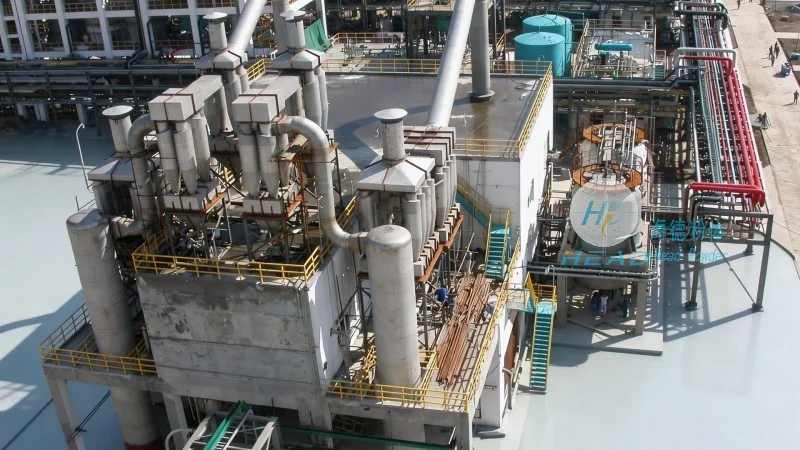
- Capacity: The system can handle capacities ranging from 10 to 200 tons per hour, depending on the specific configuration.
- Material Handling: Designed for handling magnesium silicate with particle sizes ranging from fine powders to coarse granules.
- Dust Control Efficiency: The dust collection system achieves an efficiency of over 99% in capturing particulate matter, ensuring a clean working environment.
- Energy Efficiency: The system incorporates energy-saving features, such as variable speed drives, to reduce power consumption.
- Maintenance: The design allows for easy access to components, facilitating routine maintenance and reducing downtime.
Application Scenarios and Benefits
The magnesium silicate material handling system is widely used in various industrial applications. In refractory production, it efficiently transports raw magnesium silicate to the mixing and molding processes. In ceramic manufacturing, it ensures consistent material supply to kilns and processing lines. The system's benefits include improved operational efficiency, reduced labor costs, enhanced safety through dust control, and increased product quality due to consistent material handling. HeadPowder's expertise in engineering ensures that the system is tailored to meet the specific needs of each client, providing a reliable and cost-effective solution for material handling in magnesium silicate processing.