

Operation Process and Working Principle of Dry Material Conveying
Understanding the operation process and working principle of dry material conveying systems is crucial for industries that handle bulk materials. These systems are designed to efficiently transport dry powders, granules, and other particulate materials from one location to another, ensuring smooth and reliable material flow in various industrial applications.
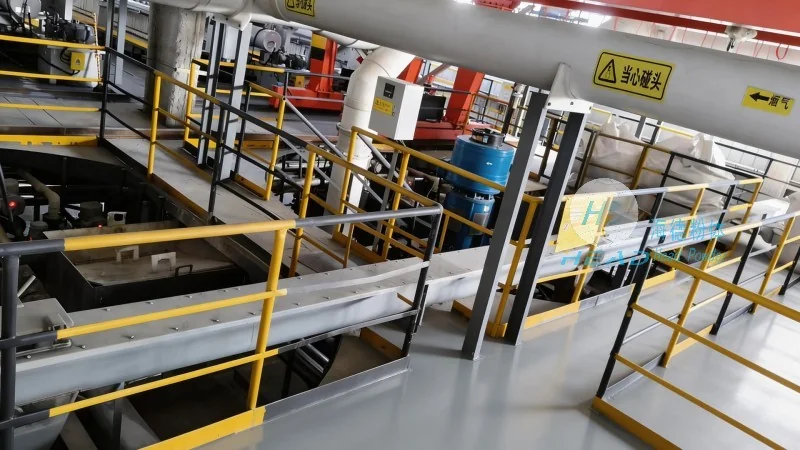
About HeadPowder Engineering
HeadPowder, a leading manufacturer based in Shandong, China, specializes in the design, development, and production of advanced dry material conveying solutions. With a strong commitment to quality and innovation, the company has established itself as a trusted partner for businesses seeking efficient and reliable material handling equipment.
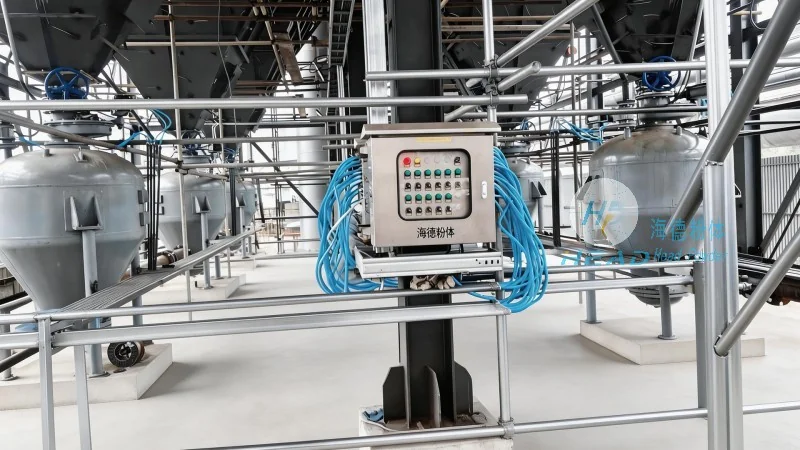
The Operation Process of Dry Material Conveying
The operation of dry material conveying systems typically involves several key steps. First, the dry material is fed into the system, often from a hopper or storage silo. The material then moves through a conveyor system, which may include components such as screw conveyors, pneumatic conveyors, or bucket elevators. Each component plays a vital role in ensuring the material is transported efficiently and without degradation. For example, screw conveyors use rotating screws to push material forward, while pneumatic conveyors utilize air pressure to move particles through a pipeline. The system is designed to maintain consistent material flow, minimizing downtime and maximizing productivity.
Working Principle of Dry Material Conveying
The working principle of dry material conveying systems revolves around the transfer of material using mechanical or pneumatic forces. Mechanical conveyors, like belt conveyors or chain conveyors, rely on the friction between the material and the conveyor surface to move the load. In contrast, pneumatic conveyors use compressed air to create a flow of material through a sealed pipe. The choice of system depends on factors such as material characteristics, distance to be covered, and environmental requirements. For instance, when handling fine powders, a pneumatic system may be preferred to prevent dust accumulation and ensure clean operation. The system's design also considers factors like material density, flowability, and potential for segregation, ensuring optimal performance.
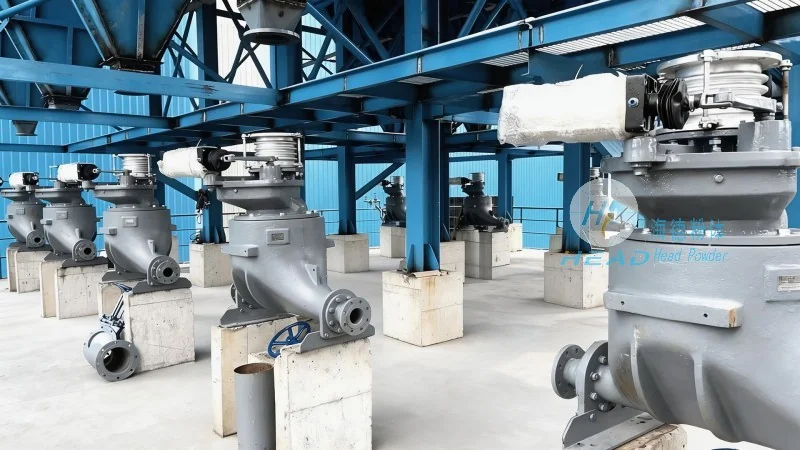
Key Features and Benefits
Dry material conveying systems from HeadPowder Engineering offer several advantages that make them ideal for various industrial applications. These include high efficiency in material transport, minimal material degradation due to gentle handling, and easy integration with existing production lines. The systems are also designed for durability and low maintenance, reducing operational costs over time. Additionally, the company's expertise in customizing solutions allows for tailored systems that meet specific customer requirements, ensuring optimal performance and reliability.