

Operation Process and Working Principle of Inorganic Salt Material Handling
At Shandong HeadPowder Engineering Co., Ltd., we specialize in the design, manufacturing, and implementation of advanced systems for the transport and handling of inorganic salts. As a leading provider in the industry, our company, commonly known as HeadPowder, is headquartered in Shandong, China. Our expertise lies in creating efficient and reliable solutions tailored to the unique requirements of inorganic salt processing applications.
Understanding Inorganic Salt Material Handling
Inorganic salts, such as sodium chloride, potassium chloride, and various industrial salts, are widely used in sectors including chemical manufacturing, food processing, and water treatment. The efficient handling of these materials is crucial for maintaining production efficiency, ensuring product quality, and minimizing operational costs. Our systems are engineered to address the challenges associated with the physical properties of inorganic salts, including their bulk density, flow characteristics, and potential for dust generation.
The Core Components and Operation Process
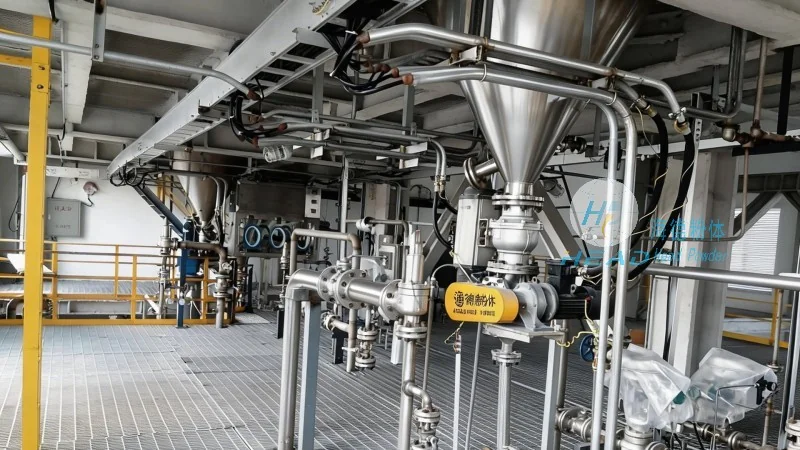
Our inorganic salt material handling systems typically consist of several key components that work in tandem to ensure smooth and continuous operation. The process begins with the storage of raw materials in bulk storage silos or hoppers. From there, the material is conveyed through a network of equipment, including screw conveyors, belt conveyors, and pneumatic systems, depending on the specific application and material characteristics. Each component is designed to handle the unique properties of inorganic salts, ensuring minimal degradation and loss during transport.
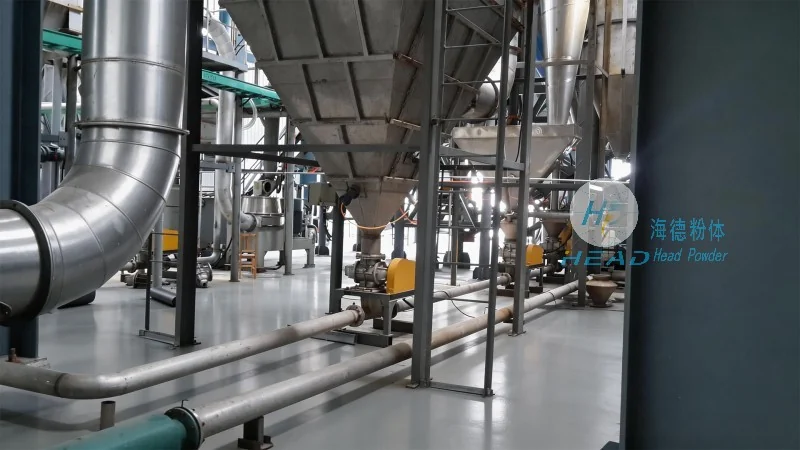
The initial stage involves material feeding from the storage silo into the conveyor system. This is often achieved through a feeder mechanism that controls the flow rate to match the processing requirements. The conveyor system then transports the material to the next processing stage or storage location. For systems requiring elevated transport, vertical conveyors or bucket elevators are utilized to move the material vertically while maintaining consistent flow rates.
Working Principle of Key Handling Equipment
Each piece of equipment in our inorganic salt handling systems operates based on specific principles to ensure optimal performance. Screw conveyors, for example, use a rotating screw to push material forward along a trough. This method is effective for handling free-flowing inorganic salts and is commonly used in horizontal and slight incline applications. Belt conveyors, on the other hand, utilize a continuous belt to transport material over a series of rollers, making them suitable for longer horizontal distances and heavier loads.
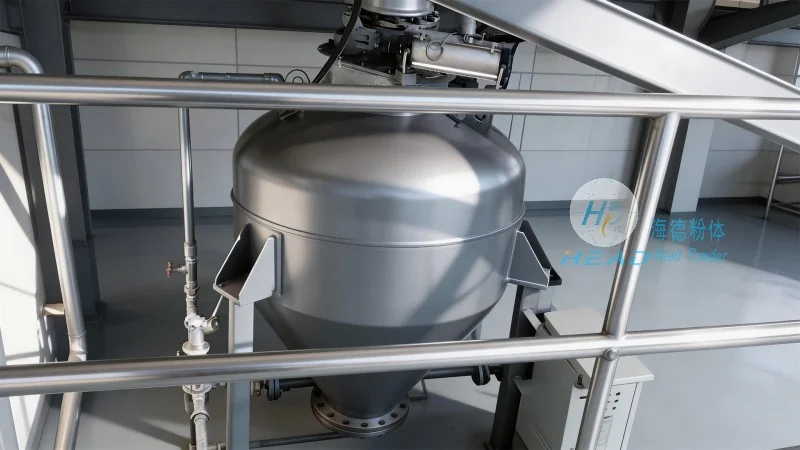
Pneumatic conveying systems are another critical component, especially for materials that are dusty or require transport over longer distances. These systems use air pressure to move material through a pipeline, allowing for flexible and enclosed transport. The working principle involves generating a pressure differential that propels the material through the system, often with the aid of cyclone separators or filters to separate the material from the air stream.
Ensuring Efficiency and Reliability
At HeadPowder, we prioritize the reliability and efficiency of our inorganic salt material handling systems. Regular maintenance and monitoring are essential to ensure that all components operate within optimal parameters. Our systems are designed with features such as material flow sensors, level indicators, and pressure monitoring to provide real-time feedback on the system's performance. This allows for quick identification and resolution of any issues, minimizing downtime and maximizing productivity.
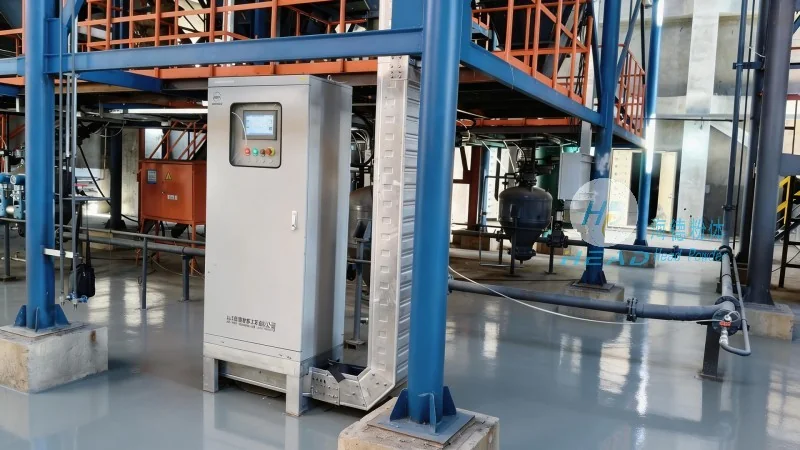
Additionally, our systems are built with durable materials that can withstand the corrosive and abrasive nature of inorganic salts. This ensures long-term performance and reduces the need for frequent replacements or repairs. By integrating advanced control systems and automation, we further enhance the efficiency of our material handling processes, allowing for precise control over flow rates, speed, and direction.
Customization and Application Flexibility
Recognizing that each inorganic salt processing facility has unique requirements, we offer customized solutions that can be tailored to specific applications. Whether the need is for bulk material transport, fine powder handling, or high-temperature processing, our team of engineers works closely with clients to design systems that meet their exact needs. This includes selecting the appropriate equipment, determining the optimal layout, and integrating necessary safety features to ensure compliance with industry standards.
Our commitment to quality and customer satisfaction is reflected in every aspect of our inorganic salt material handling systems. From initial design and installation to ongoing support and maintenance, we strive to provide comprehensive solutions that enhance the overall performance and profitability of our clients' operations. By leveraging our expertise and advanced technology, we help our customers achieve their processing goals while maintaining the highest standards of safety and efficiency.