

Operation Process and Working Principle of Corn Flour Material Conveying
For industrial applications involving corn flour processing, efficient material conveying is crucial for maintaining production efficiency and product quality. This article explores the operation process and working principle of corn flour material conveying systems, highlighting key components and operational dynamics.
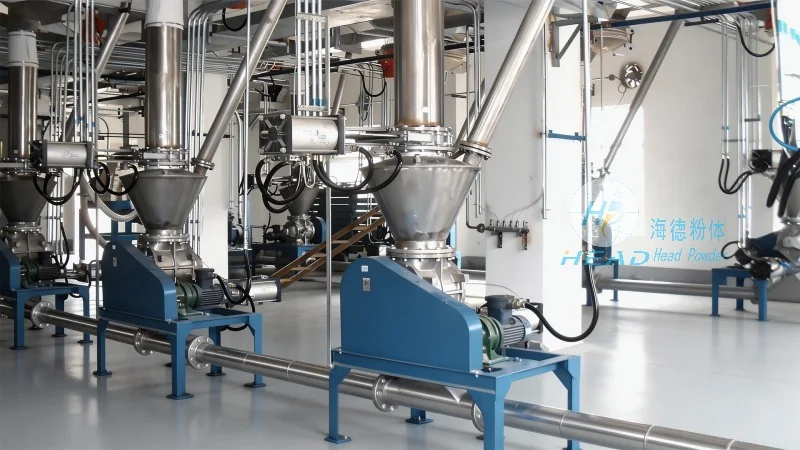
About Shandong HeadPowder Engineering Co., Ltd.
As a leading manufacturer in the field of powder processing equipment, Shandong HeadPowder Engineering Co., Ltd. specializes in providing advanced solutions for material handling and conveying. With a focus on innovation and precision engineering, the company has established itself as a trusted partner for industries relying on consistent and reliable corn flour processing. HeadPowder's expertise lies in designing systems that optimize material flow, reduce downtime, and enhance overall operational performance.
The Operation Process of Corn Flour Material Conveying
The operation of a corn flour material conveying system typically involves several key stages, each designed to ensure smooth and efficient material transport. The process begins with the intake of raw corn flour from storage silos or bulk containers. A feeding mechanism, such as a rotary valve or a screw feeder, regulates the flow of material into the conveyor system. This initial step is critical for controlling the rate of material input, preventing overloading or underloading of the conveyor.
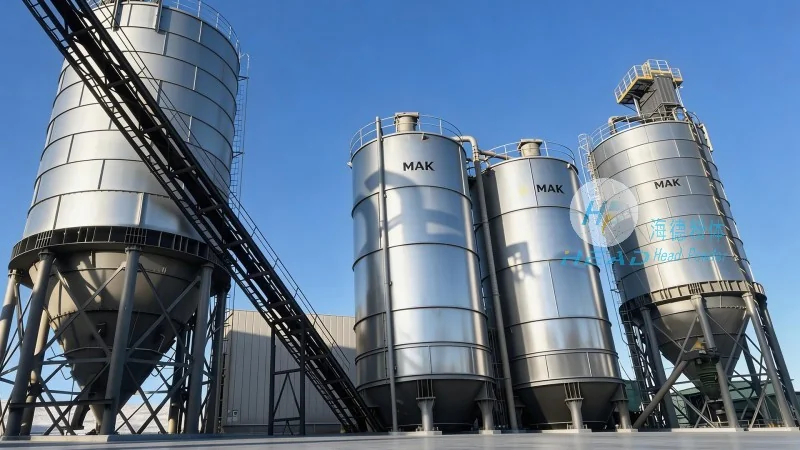
Once the material is fed into the system, it moves through a series of components, including conveyors, elevators, and transfer points. The primary conveyor, often a belt conveyor or a pneumatic conveyor, transports the corn flour horizontally or vertically, depending on the layout of the processing facility. In horizontal conveying, the material is moved along a flat or slightly inclined surface, while vertical conveying uses elevators to lift the material to higher levels. Transfer points, such as hoppers or chutes, direct the material from one conveyor to another, ensuring seamless transitions between different sections of the system.
During the conveying process, the system may incorporate additional features to enhance performance. For example, some systems use airlocks or rotary valves to control the flow of material at transfer points, preventing backflow and maintaining consistent pressure. In pneumatic conveying systems, compressed air is used to transport the corn flour through a network of pipes, allowing for flexible and enclosed material handling. This method is particularly useful for handling fine powders like corn flour, as it minimizes dust and contamination while ensuring efficient transport.
Working Principle of Corn Flour Material Conveying Systems
The working principle of corn flour material conveying systems is based on the application of mechanical or pneumatic forces to move the material from one location to another. Mechanical conveying systems rely on the physical movement of components, such as belts, screws, or buckets, to transport the material. Belt conveyors, for instance, use a continuous belt that moves over rollers, carrying the corn flour along the path of the conveyor. The speed and tension of the belt are carefully controlled to ensure uniform material transport and prevent material spillage or degradation.
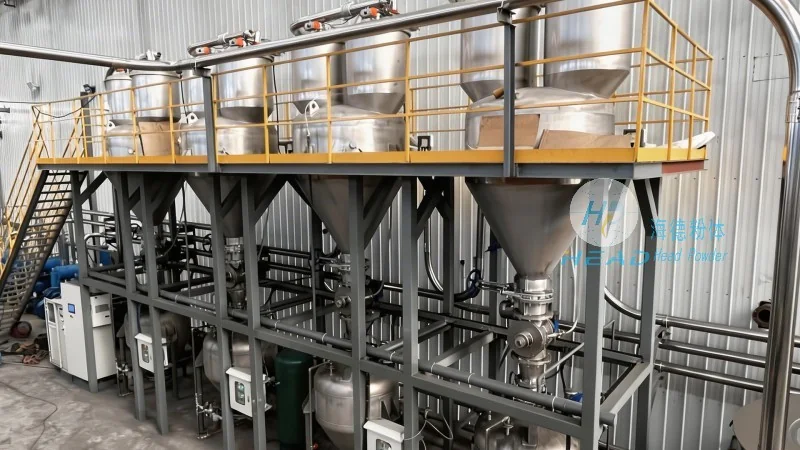
Screw conveyors, another common type of mechanical conveyor, use a rotating screw to push the material forward. The screw is enclosed in a tube, and as it rotates, the material is moved along the length of the conveyor. This method is effective for handling bulk materials and is often used in vertical or inclined applications. The speed of the screw and the pitch of the threads can be adjusted to control the flow rate and the pressure within the system.
Pneumatic conveying systems, on the other hand, utilize compressed air to transport the corn flour through a closed system of pipes. The air is introduced into the system at a specific pressure, creating a flow that carries the material along the pipe. The velocity of the air and the size of the pipe determine the capacity and efficiency of the conveying process. In positive displacement systems, the air is forced through the pipe using a blower or a compressor, ensuring a consistent flow rate. In negative displacement systems, the air is drawn through the pipe using a vacuum, which is useful for handling fine powders that are prone to dusting.
Advantages of Corn Flour Material Conveying Systems
Efficient corn flour material conveying systems offer several advantages that contribute to improved operational performance and product quality. One of the key benefits is the ability to maintain consistent material flow rates, which helps in controlling the production process and ensuring uniform product characteristics. By regulating the input and output of material, the system minimizes variations in moisture content, particle size, and other critical parameters, leading to higher product consistency.

Another advantage is the reduction in labor costs and operational downtime. Automated conveying systems eliminate the need for manual handling of bulk materials, reducing the risk of human error and improving safety in the workplace. The use of enclosed systems, such as pneumatic conveyors, also minimizes dust and contamination, which is essential for maintaining product purity and meeting regulatory standards. Additionally, the modular design of many conveying systems allows for easy maintenance and repair, reducing the time required for system downtime.
Conclusion
Understanding the operation process and working principle of corn flour material conveying systems is essential for optimizing industrial processing operations. By leveraging advanced engineering and design, companies like Shandong HeadPowder Engineering Co., Ltd. provide reliable and efficient solutions that enhance productivity and product quality. The integration of mechanical and pneumatic components, along with precise control mechanisms, ensures that corn flour is transported safely and effectively, meeting the demands of modern industrial applications.