

Operating Process and Working Principle of Compound Fertilizer Powder Conveying
Compound fertilizer powder conveying systems are essential in the agricultural industry for efficiently transporting bulk materials. This article explores the operational process and underlying principles of such systems, highlighting key components and their functions.
Company Introduction
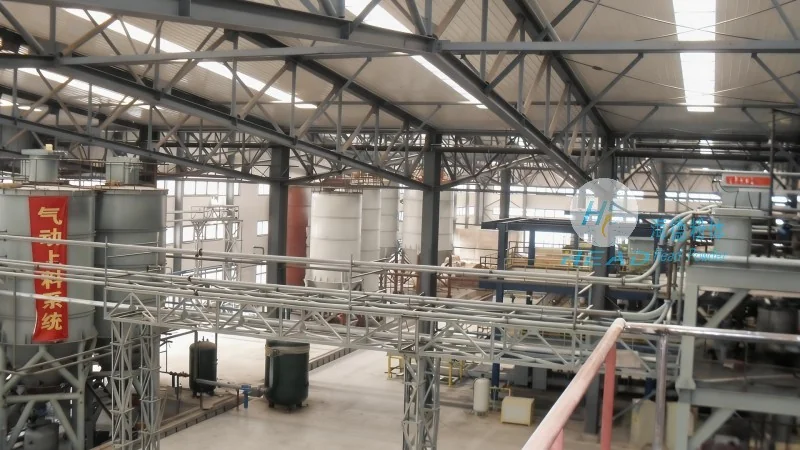
HeadPowder, a leading engineering company based in Shandong, China, specializes in the design and implementation of advanced powder handling solutions. With a strong commitment to quality and innovation, HeadPowder provides comprehensive services tailored to the needs of the fertilizer industry. The company's expertise in material flow technology ensures reliable and efficient conveying of compound fertilizers, supporting agricultural productivity and sustainability.
Understanding Compound Fertilizer Powder Conveying
Compound fertilizers are a critical input in modern agriculture, combining various nutrients like nitrogen, phosphorus, and potassium. The efficient transport of these powders from storage to application sites is vital for maintaining production efficiency and minimizing material loss. Powder conveying systems address these challenges by utilizing specialized equipment and control mechanisms to ensure smooth, continuous operation.
Key Components of the Conveying System
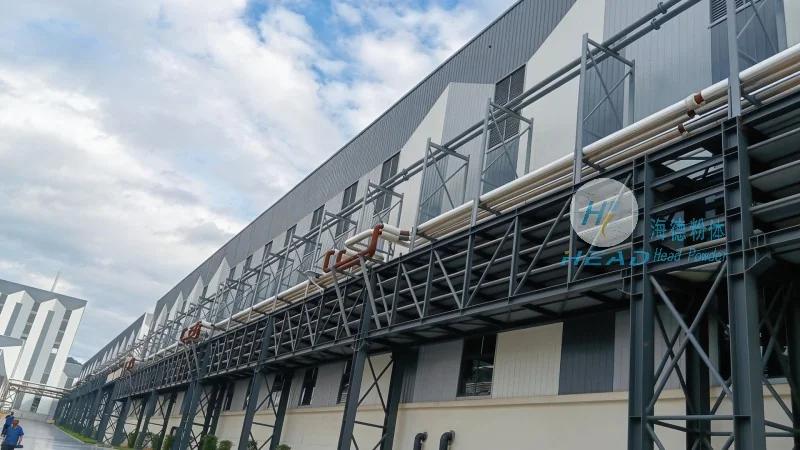
The core components of a compound fertilizer powder conveying system include hoppers, feeders, conveyors (such as screw or pneumatic systems), and control panels. Each component plays a crucial role in the overall process:
- Hoppers: These containers store the bulk fertilizer, providing a consistent feed to the system. Proper design ensures uniform material flow and prevents clogging.
- Feeders: Feeders regulate the flow rate of the fertilizer from the hopper to the conveyor. They may include vibratory or rotary feeders to maintain steady material delivery.
- Conveyors: Conveyors transport the powder through the system. Screw conveyors are commonly used for horizontal or slight incline transport, while pneumatic conveyors handle vertical or longer-distance transport by using air pressure to move the material.
- Control Panels: These systems monitor and control the operation of all components, ensuring safety and efficiency. Sensors and valves adjust the flow and pressure as needed to maintain optimal performance.
The Operational Process
The operation of a compound fertilizer powder conveying system follows a systematic sequence to ensure reliable material transport:
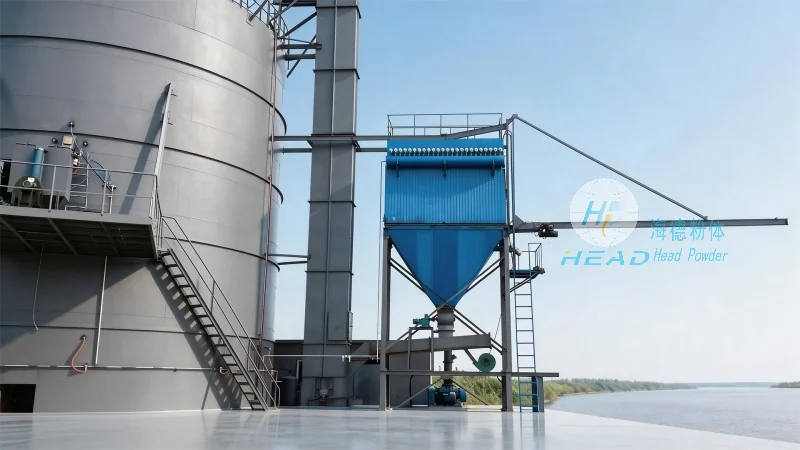
- Material Loading: The hopper is filled with compound fertilizer, and the system is prepared for operation. Proper loading ensures that the material is evenly distributed and ready for transport.
- Feeder Activation: The feeder is activated to start the flow of fertilizer from the hopper to the conveyor. This step controls the initial rate of material delivery.
- Conveyor Operation: The conveyor system transports the fertilizer through the pipeline or trough. For screw conveyors, the rotating screw pushes the material forward. For pneumatic systems, compressed air propels the powder through the ducts.
- Delivery to Target: The fertilizer is delivered to the desired location, such as a storage silo or application equipment. The system continues to operate until the target amount is reached or the hopper is empty.
- System Monitoring: Throughout the process, the control panel monitors key parameters like flow rate, pressure, and temperature. Any deviations are detected and corrected to maintain system stability.
Working Principles of the Conveying System
The working principles of compound fertilizer powder conveying systems are based on fundamental physics and engineering principles to ensure efficient material movement:
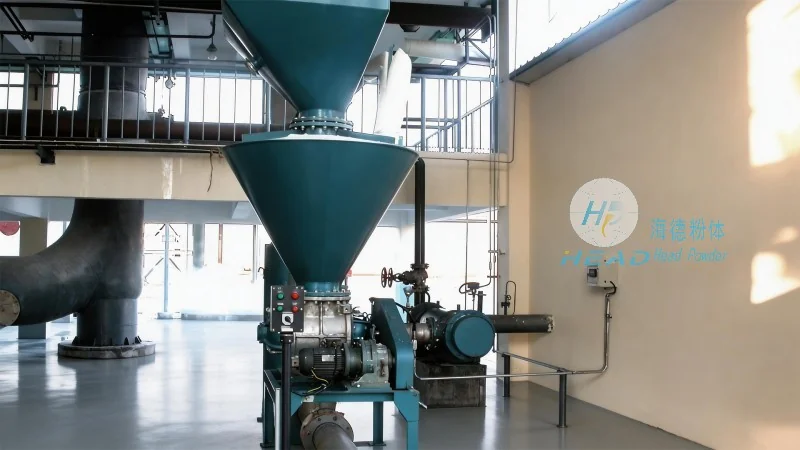
- Gravity and Mechanical Force: For screw conveyors, the rotating screw exerts mechanical force to move the powder forward. The pitch and speed of the screw determine the conveying capacity and pressure.
- Pneumatic Pressure: Pneumatic conveyors use compressed air to create a pressure differential that moves the powder through the system. The air velocity and duct design are critical for maintaining material suspension and preventing blockages.
- Material Properties: The characteristics of the fertilizer, such as particle size, moisture content, and bulk density, influence the choice of conveying method. Coarser particles may require different equipment than fine powders to avoid clogging.
- Control and Automation: Modern systems use sensors and automation to adjust parameters in real-time. This ensures that the system operates at optimal efficiency, minimizing energy consumption and maximizing throughput.
Benefits of Efficient Powder Conveying
Effective compound fertilizer powder conveying offers several advantages for agricultural operations:
- Increased Productivity: Smooth and continuous transport reduces downtime and increases the overall output of fertilizer handling processes.
- Reduced Material Loss: Proper system design minimizes spillage and loss during transport, ensuring that more fertilizer reaches its intended destination.
- Improved Safety: Automated control systems enhance safety by preventing overloading and ensuring that all components operate within safe parameters.
- Energy Efficiency: Optimized conveying systems use less energy, reducing operational costs and environmental impact.
Conclusion
Compound fertilizer powder conveying systems are a cornerstone of modern agricultural operations, enabling efficient and reliable transport of essential nutrients. With advanced technology and expert engineering, companies like Shandong HeadPowder Engineering Co., Ltd. provide tailored solutions that meet the specific needs of the fertilizer industry. By understanding the operational process and working principles of these systems, agricultural businesses can enhance productivity, reduce costs, and contribute to sustainable farming practices.