

Operation Process and Working Principle of Cement Fly Ash Powder Conveying
Shandong HeadPowder Engineering Co., Ltd., commonly known as HeadPowder, specializes in the design, manufacturing, and installation of advanced powder conveying systems. The company is headquartered in Shandong, China, and has established a strong reputation for providing reliable solutions for transporting cement and fly ash powders in industrial applications.
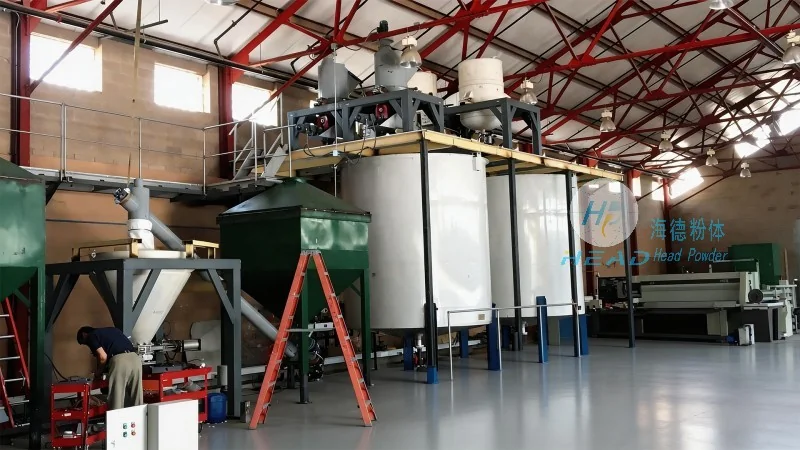
Introduction to Cement and Fly Ash Powder Conveying Systems
HeadPowder's powder conveying systems are engineered to efficiently transport bulk materials like cement and fly ash, which are critical components in construction and industrial processes. These systems are designed to handle the unique challenges associated with fine powders, ensuring minimal dust generation, high material recovery, and consistent flow rates. The operation of such systems involves a combination of mechanical components and control mechanisms that work in tandem to achieve optimal performance.
Key Components of the Powder Conveying System
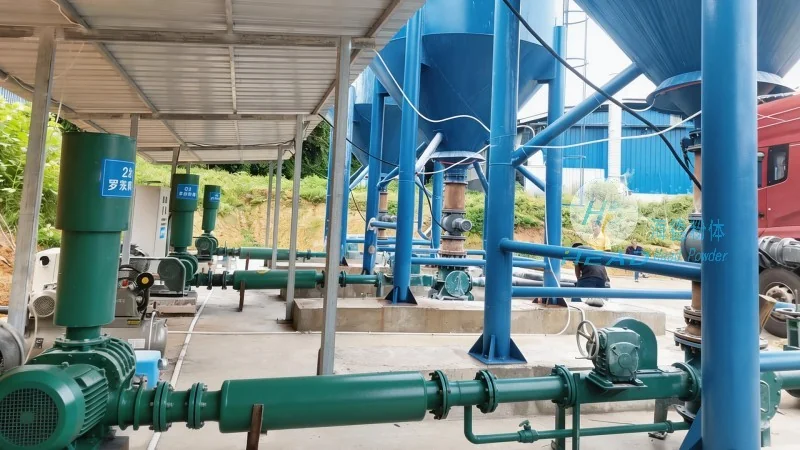
The core components of HeadPowder's cement and fly ash conveying system include: 1. Feeding Hoppers: These hoppers are designed to store and feed the bulk material into the system, ensuring a steady supply of powder. The design minimizes material bridging and allows for easy maintenance. 2. Pneumatic Conveying Lines: Utilizing air pressure to move the powder through the system, these lines are constructed from durable materials to withstand the abrasive nature of cement and fly ash. 3. Control Valves and Regulators: These components regulate the air flow and pressure, ensuring precise control over the conveying process. 4. Filter Systems: To maintain air quality and prevent dust emissions, advanced filtration systems are integrated into the design, complying with environmental regulations.
Working Principle of the Powder Conveying Process
The operation of the cement and fly ash powder conveying system begins with the material being loaded into the feeding hopper. From there, the material is drawn into the pneumatic conveying line by the pressure differential created by the air flow. The air, typically supplied by a blower or compressor, creates a flow that carries the powder particles through the system. As the material travels through the conveying lines, it may encounter bends, expansions, or other components that help maintain the flow and prevent blockages. The system is equipped with sensors and control mechanisms that monitor the pressure, flow rate, and material level, ensuring the process runs smoothly and efficiently.
Operation Process: From Loading to Discharge
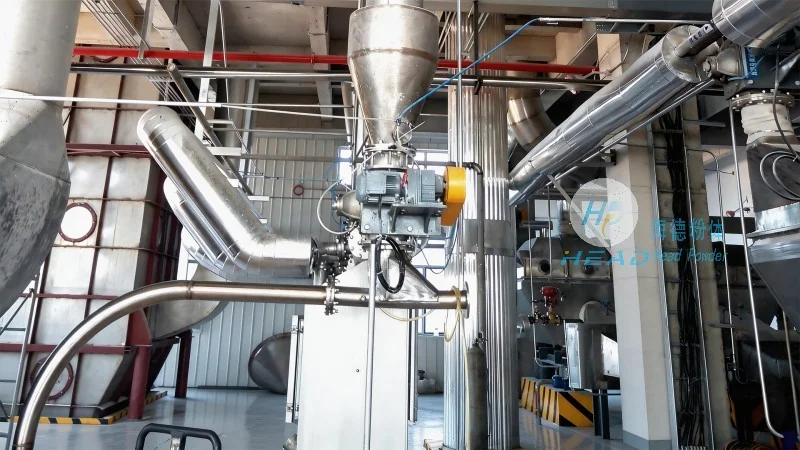
The operation process of the HeadPowder system involves several key steps: 1. Material Loading: The cement or fly ash is loaded into the feeding hopper from a storage silo or truck. The hopper is designed to handle bulk loads and ensure a consistent feed rate. 2. Air Supply Initiation: The blower or compressor is activated, creating the necessary air pressure to start the conveying process. 3. Powder Transport: The material is drawn from the hopper and transported through the pneumatic lines to the discharge point. The system's control valves adjust the air flow to maintain the desired flow rate. 4. Discharge and Dosing: At the discharge end, the powder is deposited into a storage silo, mixer, or other processing equipment. The system may include dosing mechanisms to control the amount of material being added to the next process stage. 5. System Monitoring and Maintenance: Continuous monitoring of pressure, flow, and material levels ensures the system operates within optimal parameters. Regular maintenance, including filter cleaning and component inspection, is performed to prevent downtime and ensure long-term reliability.
Advantages of HeadPowder's Powder Conveying Solutions
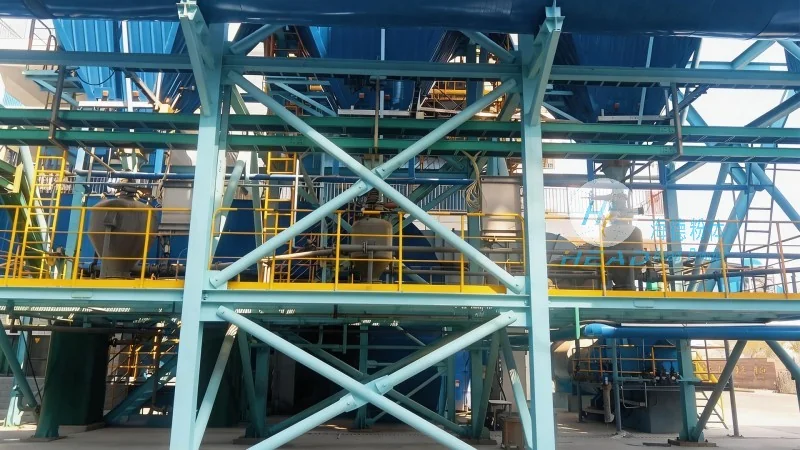
HeadPowder's cement and fly ash powder conveying systems offer several advantages over traditional methods, such as bucket elevators or belt conveyors. These include: 1. Reduced Labor Costs: The automated system minimizes the need for manual handling of bulk materials, reducing labor expenses and improving safety. 2. Lower Energy Consumption: Pneumatic conveying systems are generally more energy-efficient compared to other methods, as they use less power to transport the same amount of material. 3. Improved Material Quality: The enclosed system prevents contamination and dust exposure, maintaining the quality of the cement and fly ash. 4. Flexibility and Scalability: The system can be easily scaled to accommodate changes in production volume and can be integrated with existing facilities. 5. Environmental Compliance: Advanced filtration systems ensure that the system meets environmental regulations, reducing the impact on the environment.
Applications in Construction and Industrial Industries
HeadPowder's powder conveying systems are widely used in various industries, including: 1. Construction: For transporting cement, fly ash, and other bulk materials to construction sites, ensuring a steady supply for concrete mixing and other applications. 2. Industrial Manufacturing: In industries such as cement production, power generation, and chemical processing, the system is used to transport raw materials and byproducts. 3. Waste Management: For handling and transporting fly ash from power plants, the system helps in the efficient utilization of this material in construction applications.