

Operation Process and Working Principle of Inorganic Salt Powder Conveying
Shandong HeadPowder Engineering Co., Ltd., a leading enterprise in the powder handling industry, specializes in the design, manufacturing, and application of advanced systems for the conveying of inorganic salts. The company, commonly known as HeadPowder, is headquartered in Shandong, China, and has established itself as a key player in providing reliable and efficient solutions for the transportation of various inorganic salt powders. This article delves into the operational process and working principles of such systems, highlighting the technical aspects and practical applications that define their effectiveness.
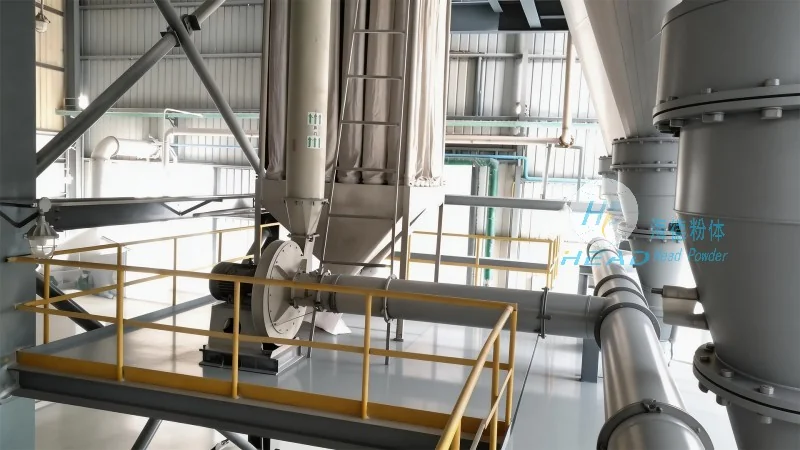
Understanding Inorganic Salt Powder Conveying
Inorganic salts, such as calcium carbonate, sodium chloride, and potassium sulfate, are widely used in industries like food processing, chemical manufacturing, and pharmaceuticals. The efficient and safe transportation of these powders is crucial for maintaining product quality and operational efficiency. HeadPowder's systems are engineered to handle the unique challenges associated with inorganic salt powders, including their particle size, flow characteristics, and potential for dust generation. By addressing these factors, the company ensures that the conveying process is both effective and compliant with industry standards.
The Core Components of Powder Conveying Systems
At the heart of inorganic salt powder conveying systems are several key components that work in tandem to ensure smooth operation. These include feeders, conveyors, and control systems, each playing a critical role in the overall process. Feeders are responsible for accurately metering the powder into the conveying line, ensuring a consistent flow rate. Conveyors, such as pneumatic or mechanical systems, then transport the powder from the source to the destination. Control systems monitor and regulate the entire process, adjusting parameters like pressure, flow rate, and speed to maintain optimal performance. HeadPowder's expertise lies in integrating these components into a cohesive system that meets the specific needs of each application.

Operation Process of Inorganic Salt Powder Conveying
The operation process of inorganic salt powder conveying begins with the preparation of the powder at the source. This may involve storage in silos or hoppers, where the powder is kept under controlled conditions to prevent caking or agglomeration. The feeder then takes the powder from the storage vessel and feeds it into the conveying line. Depending on the system design, the powder may be transported via air (pneumatic conveying) or mechanical means (such as screw conveyors or belt conveyors). Pneumatic systems use compressed air to move the powder through a pipeline, while mechanical systems rely on physical movement to transport the material. The conveying process is carefully controlled to ensure that the powder reaches the destination without loss or degradation. HeadPowder's systems are designed to handle both dry and slightly moist inorganic salts, adapting to the varying properties of different salt types.
Working Principles of Inorganic Salt Powder Conveying
The working principles of inorganic salt powder conveying systems are based on the physics of fluidization and particle movement. In pneumatic conveying, for example, the compressed air creates a low-pressure zone that draws the powder into the pipeline. The air and powder mixture then travels through the system, with the air providing the necessary force to move the particles. The velocity of the air is critical; if it is too low, the powder may settle and cause blockages, while if it is too high, it can lead to excessive wear on the system components. HeadPowder's engineers optimize the air velocity and pressure to achieve the best balance between conveying efficiency and system longevity. Mechanical conveying systems, on the other hand, rely on the rotation of screws or belts to move the powder. The design of these components is tailored to the particle size and flow characteristics of the inorganic salts, ensuring smooth and continuous movement. The control systems in these setups monitor the torque and speed of the mechanical parts, preventing overload and ensuring consistent performance.
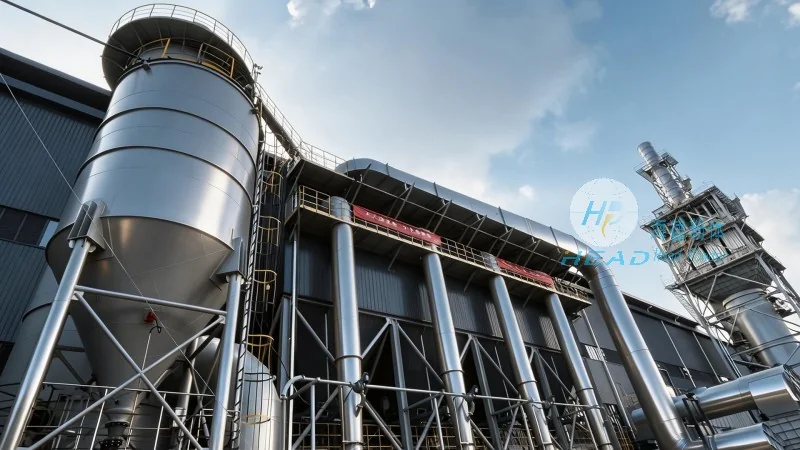
Advantages of HeadPowder's Inorganic Salt Powder Conveying Solutions
HeadPowder's inorganic salt powder conveying systems offer several advantages over traditional methods. Firstly, they provide a dust-free environment, which is essential for maintaining product purity and worker safety. Unlike manual handling or open conveyors, these systems enclose the powder, reducing the risk of contamination and exposure to airborne particles. Secondly, the systems are highly efficient, with minimal material loss and energy consumption. The optimized design of the components ensures that the conveying process is both cost-effective and environmentally friendly. Thirdly, HeadPowder's solutions are customizable to meet the specific requirements of each client. Whether the application involves high-volume production or the handling of sensitive salts, the company can tailor the system to fit the needs of the industry. The reliability of these systems is also a key factor, with minimal downtime and easy maintenance, ensuring that operations run smoothly and consistently.
Application Examples in Different Industries
The versatility of inorganic salt powder conveying systems makes them applicable across a wide range of industries. In the food industry, for example, systems are used to transport salt and other additives to processing lines, ensuring that the final products meet quality standards. In the chemical industry, these systems are crucial for moving raw materials like calcium carbonate to production facilities, where they are used in the manufacturing of various chemicals. The pharmaceutical industry also benefits from these systems, as they help in the safe and efficient handling of raw materials used in drug production. HeadPowder has successfully implemented its systems in these and other industries, demonstrating the effectiveness and reliability of its solutions. The company's commitment to quality and innovation has made it a trusted partner for businesses looking to improve their powder handling processes.