

Operation Process and Working Principle of Dolomite Powder Conveying
Understanding the operation process and working principle of dolomite powder conveying is crucial for optimizing industrial processes that involve the handling of this essential material. Dolomite, a calcium magnesium carbonate mineral, is widely used in various industries such as steelmaking, glass manufacturing, and chemical production. The efficient and reliable transport of dolomite powder ensures smooth production workflows and minimizes operational disruptions.
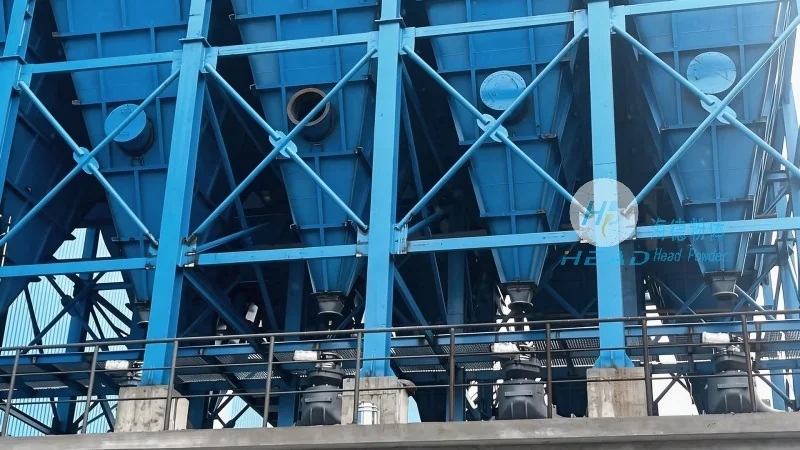
Company Introduction: HeadPowder
HeadPowder, formally known as Shandong HeadPowder Engineering Co., Ltd., is a leading provider of specialized equipment and solutions for powder handling systems. With a strong presence in China, particularly in Shandong province, the company has established itself as a trusted partner in the field of material conveying technology. HeadPowder's expertise lies in designing and manufacturing systems tailored to the unique challenges of transporting fine powders like dolomite, ensuring high performance and durability under demanding industrial conditions.
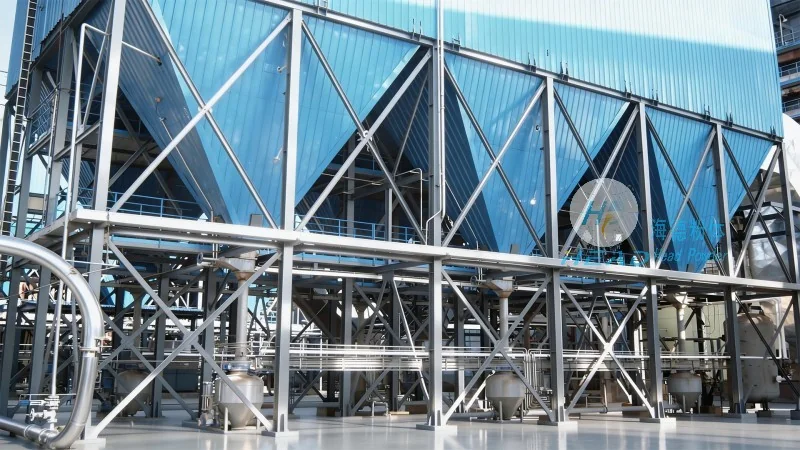
The Working Principle of Dolomite Powder Conveying
The core of dolomite powder conveying systems revolves around the principles of pneumatic or mechanical transport, depending on the specific application requirements. Pneumatic conveying, often preferred for its flexibility and ability to handle fine powders without the need for complex machinery, operates by using compressed air to move the material through a network of pipes. The process begins with the dolomite powder being fed into a hopper or feeder, where it is then drawn into the conveying line by the air flow. As the air and powder mixture travels through the system, it passes through various components including elbows, filters, and control valves, which help maintain the integrity of the material and regulate the flow rate. The system typically includes a receiver or discharge hopper at the end, where the dolomite is collected and prepared for further processing. Mechanical conveying systems, on the other hand, utilize screw conveyors, belt conveyors, or bucket elevators to transport the powder. These methods are often more suitable for bulk handling and long-distance transport, offering high capacity and reliability. The choice between pneumatic and mechanical conveying depends on factors such as the particle size, moisture content, and the distance to be covered. For dolomite powder, which is typically fine and dry, pneumatic systems are often favored due to their ability to handle the material with minimal degradation.
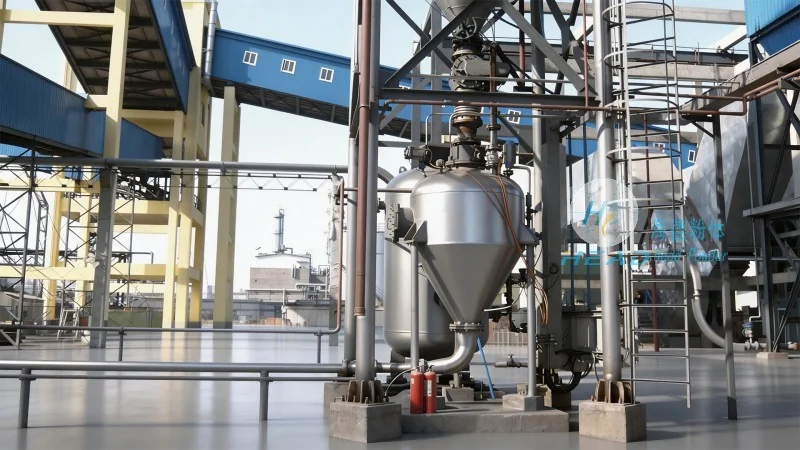
The Operation Process of Dolomite Powder Conveying Systems
The operation process of dolomite powder conveying systems involves several key steps that ensure efficient and safe material transport. The first step is the preparation of the dolomite powder, which may include screening to remove oversized particles or moisture removal to prevent clogging in the conveying system. The powder is then fed into the system through a hopper or feeder, which regulates the flow rate to match the conveying capacity. The conveying medium, either air in pneumatic systems or mechanical components in mechanical systems, is then activated to initiate the transport. In pneumatic systems, compressed air is supplied to the system, creating a pressure differential that draws the powder into the conveying line. The air flow rate is carefully controlled to maintain a stable mixture of air and powder, preventing the powder from settling or clogging the pipes. The system includes sensors and control valves that monitor the pressure and flow, adjusting the air supply as needed to maintain optimal performance. In mechanical systems, the conveyor components are driven by motors, which move the powder along the path of the conveyor. The speed and direction of the conveyor are controlled to ensure the material is transported to the desired location without excessive wear or degradation. The operation process also includes monitoring and maintenance activities to ensure the system operates efficiently and reliably. Regular checks of the hopper, feeder, and conveying components are performed to detect any signs of wear or clogging, which can impact the performance of the system. Maintenance activities such as cleaning, lubrication, and replacement of worn parts are scheduled to prevent breakdowns and ensure the longevity of the equipment.
Key Components in Dolomite Powder Conveying Systems
Several key components are essential for the proper functioning of dolomite powder conveying systems. The hopper or feeder is the first component in the system, responsible for storing and feeding the dolomite powder into the conveying line. The design of the hopper is critical to prevent material bridging or caking, which can lead to uneven flow and system blockages. The feeder, which may be a rotary valve or a screw feeder, regulates the flow rate of the powder, ensuring a consistent supply to the conveying system. The conveying line itself, made of materials such as stainless steel or plastic, is designed to withstand the abrasive nature of dolomite powder and resist corrosion. Pneumatic systems include filters and cyclones to separate the powder from the air, preventing dust accumulation and ensuring the purity of the material. The receiver or discharge hopper at the end of the system collects the dolomite powder and prepares it for further processing. In mechanical systems, components such as screw conveyors, belt conveyors, or bucket elevators are used to transport the powder. These components are designed to handle the specific characteristics of dolomite powder, such as its fine particle size and potential for clogging. The control system, which includes sensors, valves, and a control panel, monitors and regulates the operation of the conveying system, ensuring it operates within the desired parameters. The control system may also include safety features to prevent overpressure or overloading, protecting the equipment and personnel from harm.
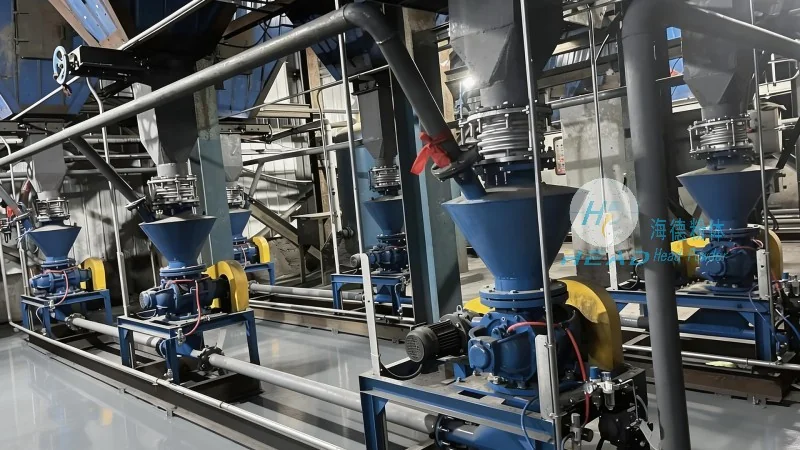
Benefits of Efficient Dolomite Powder Conveying
Efficient dolomite powder conveying systems offer several benefits to industrial operations. First, they improve the overall productivity of the production process by ensuring a consistent and reliable supply of dolomite powder. This reduces downtime and increases the throughput of the system, leading to higher output and reduced costs. Second, efficient conveying minimizes material loss and degradation, preserving the quality of the dolomite powder for its intended use. This is particularly important in applications such as steelmaking, where the quality of the dolomite can affect the final product. Third, the use of advanced conveying systems reduces the risk of dust emissions and improves workplace safety. By containing the powder within the system and using filtration, the risk of respiratory hazards and environmental contamination is minimized. Fourth, the flexibility of modern conveying systems allows for easy integration with other production processes, enabling seamless material handling and reducing the need for manual intervention. Overall, efficient dolomite powder conveying contributes to the sustainability and profitability of industrial operations by optimizing material handling and reducing operational costs.