

Operation Process and Working Principle of a Manganese Sulfate Pneumatic Conveyor
HeadPowder, a leading manufacturer based in Shandong, China, specializes in the design and production of high-efficiency pneumatic conveyors, including systems tailored for handling manganese sulfate. This article provides a detailed overview of the operation process and working principle of a manganese sulfate pneumatic conveyor, highlighting the technical aspects and operational efficiency of such equipment.
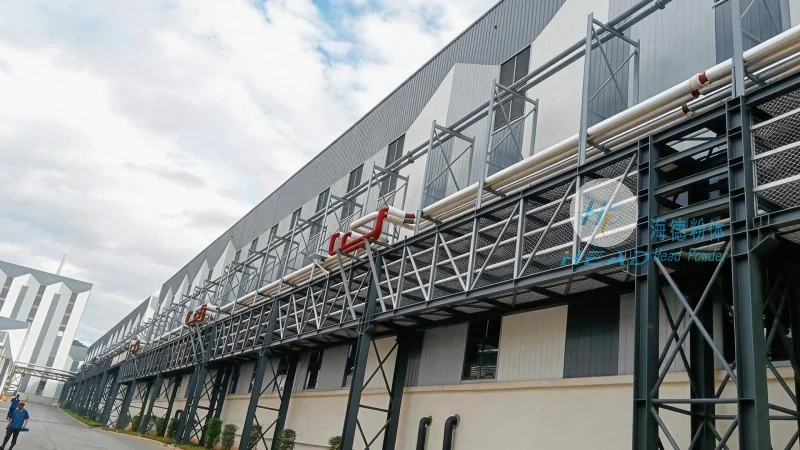
Introduction to Manganese Sulfate Pneumatic Conveyors
Manganese sulfate is a widely used chemical compound in various industrial applications, such as battery manufacturing, water treatment, and fertilizer production. The efficient and safe transportation of this material is crucial for maintaining production continuity and ensuring product quality. Pneumatic conveyors offer a reliable solution for transporting manganese sulfate, as they eliminate the need for mechanical components that could cause contamination or damage to the material. HeadPowder's pneumatic conveyor systems are engineered to handle the specific characteristics of manganese sulfate, ensuring optimal performance and minimal downtime.
Key Components of a Manganese Sulfate Pneumatic Conveyor
A pneumatic conveyor for manganese sulfate typically consists of several key components that work in tandem to facilitate material transport. These components include the hopper (or feed hopper) for material storage, a rotary valve or feeder to control the flow of material, a conveying line (usually made of stainless steel or other corrosion-resistant materials to withstand the chemical properties of manganese sulfate), a blower or air compressor to generate the air pressure needed for transport, and a receiver or discharge hopper where the material is deposited. Each component is designed to handle the specific challenges associated with manganese sulfate, such as its hygroscopic nature and potential for dust generation.
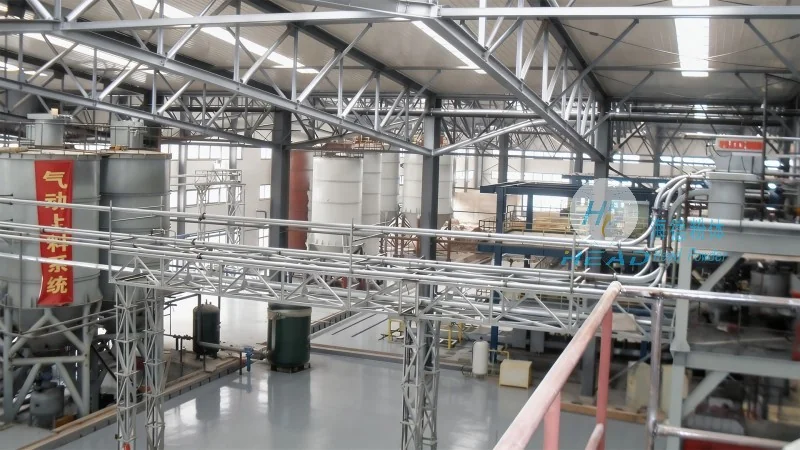
The Operation Process of a Manganese Sulfate Pneumatic Conveyor
The operation of a manganese sulfate pneumatic conveyor involves a series of steps that ensure the smooth and continuous transport of material. The process begins with the loading of manganese sulfate into the feed hopper. The rotary valve or feeder then regulates the flow of material into the conveying line, controlling the amount of material that enters the system. The blower or air compressor generates a high-pressure air stream that travels through the conveying line, creating a vacuum or pressure differential that propels the material forward. As the material is carried by the air stream, it is mixed with the air and moves towards the discharge hopper. The receiver or discharge hopper collects the material and may include a dust collection system to prevent air pollution and ensure compliance with environmental regulations. The entire process is automated, with sensors and controls monitoring the flow rate, pressure, and temperature to maintain optimal performance.
Working Principle of the Pneumatic Conveyor System
The working principle of a manganese sulfate pneumatic conveyor is based on the principle of fluidization and pneumatic transport. The blower or air compressor provides the necessary air pressure to create a flow of air through the conveying line. The material is then introduced into the air stream, and the air velocity is adjusted to ensure that the material particles are suspended and transported without causing blockages or damage. The key to efficient transport is maintaining the correct air-to-material ratio, which ensures that the material is carried at a consistent speed and without excessive pressure drops. The system also incorporates features such as air filtration and moisture control to maintain the quality of the transported material and prevent corrosion or degradation.
Advantages of Using a Manganese Sulfate Pneumatic Conveyor
Implementing a pneumatic conveyor system for manganese sulfate offers several advantages over traditional mechanical conveying methods. Firstly, it eliminates the need for moving parts that could cause contamination or wear, ensuring the purity of the material. Secondly, it provides a dust-free and enclosed transport environment, reducing the risk of dust exposure and improving workplace safety. Thirdly, the system is highly flexible and can be easily integrated into existing production lines, allowing for adjustments to the flow rate and direction of material transport. Additionally, pneumatic conveyors are energy-efficient, as they use less power compared to mechanical conveyors while achieving higher transport capacities. These advantages make pneumatic conveyors an ideal choice for handling manganese sulfate in various industrial applications.
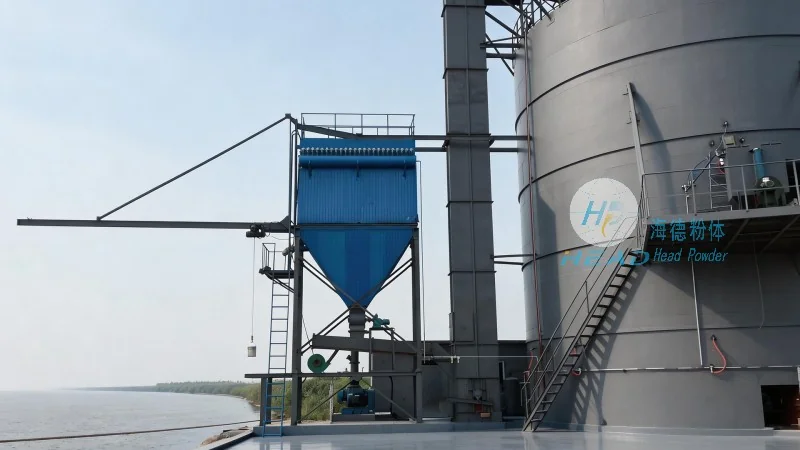
Maintenance and Operational Considerations
To ensure the long-term performance and reliability of a manganese sulfate pneumatic conveyor, regular maintenance and proper operational considerations are essential. HeadPowder recommends routine inspections of the conveying line and components for signs of wear or corrosion, particularly in areas exposed to the chemical properties of manganese sulfate. The blower or air compressor should be checked regularly for proper operation and air pressure, as any fluctuations can affect the transport efficiency. The rotary valve or feeder should be adjusted to maintain the correct flow rate, preventing overloading or underloading of the system. Additionally, the dust collection system should be cleaned and maintained to ensure effective filtration and compliance with environmental regulations. By following these maintenance and operational guidelines, users can maximize the lifespan and efficiency of their pneumatic conveyor system.
Conclusion
HeadPowder's manganese sulfate pneumatic conveyor is a reliable and efficient solution for transporting manganese sulfate in various industrial applications. By understanding the operation process and working principle of such equipment, users can make informed decisions about implementing this technology in their production lines. The advantages of pneumatic conveyors, including their ability to handle hygroscopic materials, maintain product purity, and provide a dust-free environment, make them a preferred choice for many industries. With proper maintenance and operational considerations, these systems can provide long-term performance and contribute to improved productivity and safety in material handling operations.