

Operation Process and Working Principle of Return Coke Powder Pneumatic Conveying Machine
Return coke powder pneumatic conveying machines are essential equipment in industrial material handling, designed to efficiently transport return coke powder from storage to processing units. This article provides a detailed overview of the operation process and working principles of such machines, highlighting key components, operational steps, and the technical advantages they offer.
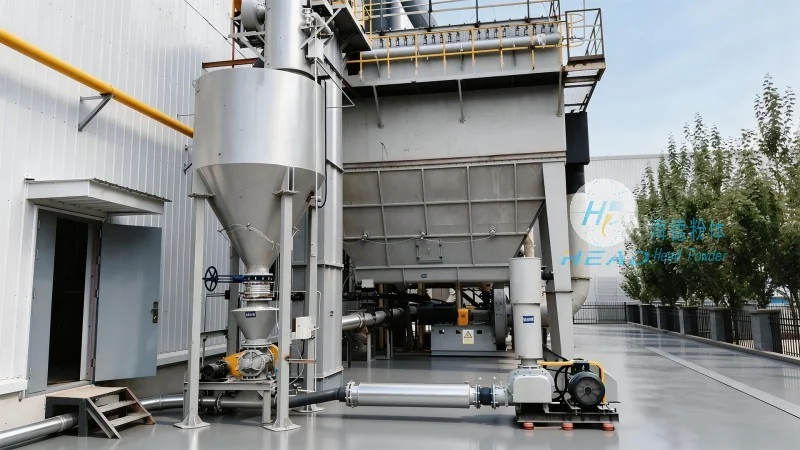
Introduction to Return Coke Powder Pneumatic Conveying Systems
Return coke powder, a byproduct from coke production processes, requires reliable and efficient handling to maintain production continuity. Pneumatic conveying systems, particularly those specialized for coke powder, utilize air as the conveying medium to transport bulk materials over short to medium distances. The system combines a blower, conveying pipeline, and control system to achieve seamless material transfer without the need for mechanical components like buckets or belts. Developed by Shandong HeadPowder Engineering Co., Ltd., these machines are tailored to meet the specific demands of coke processing industries.
Key Components of the Pneumatic Conveying Machine
The return coke powder pneumatic conveying machine consists of several critical components that work in tandem to ensure effective operation. The primary components include:
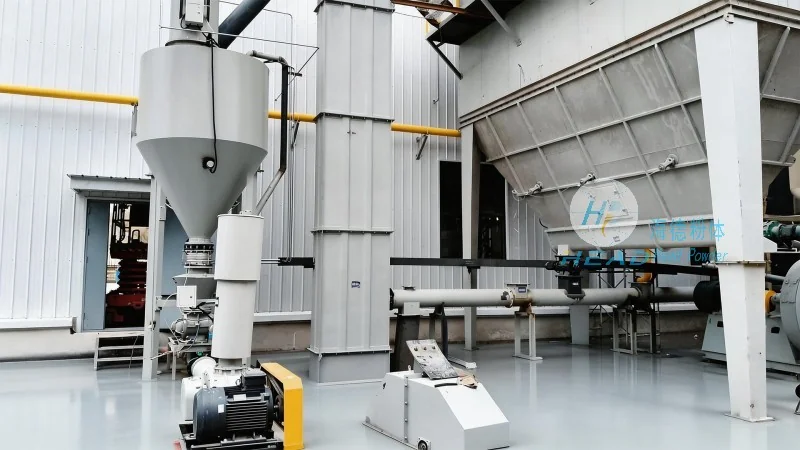
- Blower or Air Compressor: This is the heart of the system, generating the necessary air pressure and flow to move the coke powder through the pipeline. It can be a positive displacement blower or a centrifugal fan, depending on the system design and material characteristics.
- Conveying Pipeline: Typically made of stainless steel or other corrosion-resistant materials, the pipeline transports the coke powder from the source to the destination. The design includes bends, elbows, and straight sections to accommodate the material's flow characteristics and system layout.
- Material Feeders: These devices, such as rotary valves or star feeders, control the flow rate of the coke powder into the pipeline, ensuring consistent and controlled material delivery.
- Receiver or Discharge Unit: The end of the pipeline where the coke powder is deposited, often equipped with a dust collection system to minimize environmental impact and maintain air quality.
- Control System: An automated control panel that monitors and regulates the operation of the blower, feeders, and other components, ensuring safe and efficient performance.
Operation Process of the Pneumatic Conveying Machine
The operation of a return coke powder pneumatic conveying machine follows a systematic sequence to achieve reliable material transfer. The process begins with the activation of the blower, which starts generating the required air pressure. Simultaneously, the material feeder is activated to introduce the coke powder into the pipeline. As the air flows through the pipeline, it entrains the coke powder particles, forming a dense phase or dilute phase flow, depending on the system design and operating conditions.
The material is then transported through the pipeline to the receiver or discharge unit. The control system continuously monitors parameters such as air pressure, flow rate, and material level to ensure optimal performance. If any abnormalities are detected, the system automatically adjusts or shuts down to prevent damage to equipment or material loss.
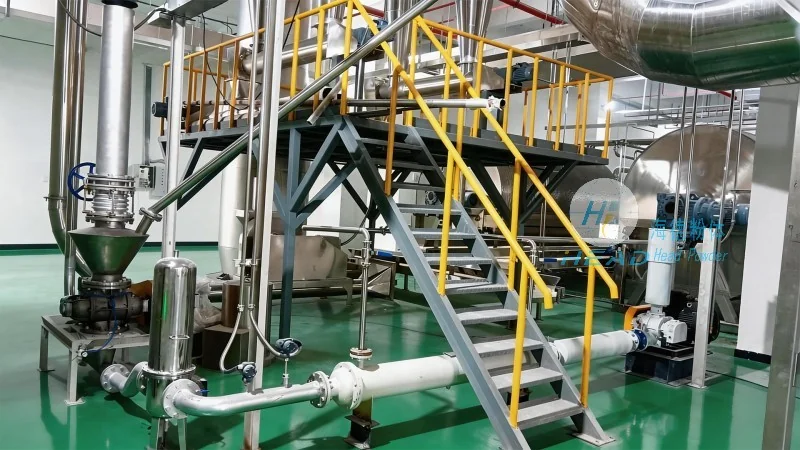
Working Principle: How Pneumatic Conveying Transports Coke Powder
The working principle of the return coke powder pneumatic conveying machine is based on the physics of fluid dynamics and particle transport. When the blower generates air pressure, it creates a pressure differential between the source and destination. This pressure differential drives the air and coke powder mixture through the pipeline. The key to efficient conveying lies in the balance between air velocity and particle size, ensuring that the particles are suspended in the air stream without settling or clogging the pipeline.
In dense phase conveying, the air velocity is lower, and the material is transported in a slurry-like state, reducing wear on the pipeline and minimizing dust generation. In dilute phase conveying, higher air velocities are used, allowing for faster transport over longer distances but with higher energy consumption and potential for increased dust emissions.
Advantages of Using Pneumatic Conveying for Return Coke Powder
Return coke powder pneumatic conveying machines offer several advantages over traditional mechanical conveying methods. These include:
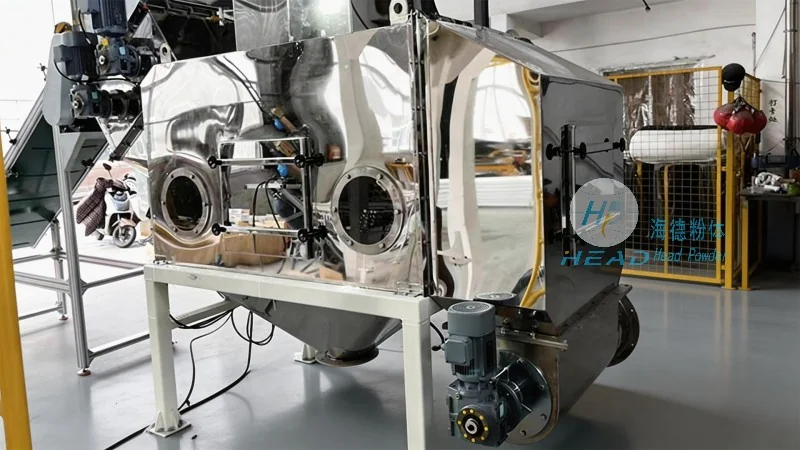
- Reduced Maintenance: Unlike belt or bucket elevators, pneumatic systems have fewer moving parts, leading to lower maintenance costs and longer equipment lifespan.
- Improved Safety: The enclosed pipeline design minimizes dust exposure and eliminates the risk of material spillage or contamination.
- Energy Efficiency: Modern blower technologies and optimized system designs can achieve energy savings compared to traditional conveying methods.
- Flexibility: Pneumatic systems can be easily reconfigured or expanded to accommodate changes in production volume or layout.
- Low Environmental Impact: The enclosed system reduces dust emissions and can be integrated with dust collection systems to meet environmental regulations.
Application in Industrial Settings
Return coke powder pneumatic conveying machines are widely used in coke production facilities, steel mills, and other industrial plants where efficient handling of bulk materials is critical. They are particularly suitable for applications involving abrasive or dusty materials, as the enclosed system protects both the material and the environment from contamination.
Conclusion
Return coke powder pneumatic conveying machines are a vital component of modern industrial material handling, offering efficient, reliable, and safe solutions for transporting coke powder. By understanding the operation process and working principles, industries can optimize their material handling systems, reduce costs, and improve overall productivity. With advancements in technology, these machines continue to evolve, providing even more efficient and sustainable solutions for bulk material transport.