

Operation Process and Working Principle of Silicate Pneumatic Conveying Machines
Silicate materials, such as silica sand, kaolin, and other mineral powders, are fundamental to numerous industrial processes, including glass production, ceramics manufacturing, and chemical synthesis. The efficient and reliable transportation of these fine powders is critical for maintaining production efficiency, ensuring product quality, and minimizing operational downtime. Pneumatic conveying systems, particularly those engineered for silicate materials, provide a solution that combines precision, cleanliness, and adaptability. This article explores the operation process and working principle of silicate pneumatic conveying machines, detailing the key components, operational steps, and technical advantages that make them a preferred choice in modern industrial applications. Shandong HeadPowder Engineering Co., Ltd., a leading manufacturer in this field, specializes in developing customized solutions tailored to the unique requirements of silicate material handling.
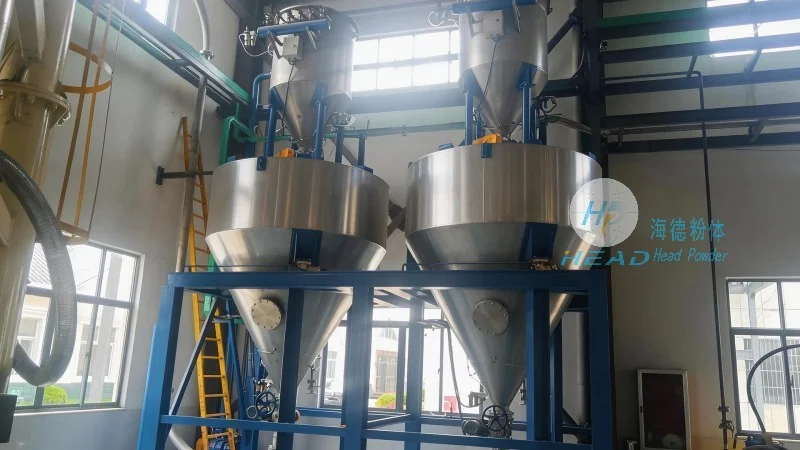
Key Components of Silicate Pneumatic Conveying Systems
The effectiveness of a silicate pneumatic conveying machine relies on a well-designed system of interconnected components. The primary components include the material hopper, feeder, air compressor, conveying line, and material receiver. The hopper serves as the storage vessel for the silicate material, ensuring a consistent and steady supply to the system. The feeder, typically a rotary valve or a screw feeder, regulates the flow of material into the conveying line, preventing blockages and maintaining a controlled discharge rate. The air compressor generates the necessary compressed air to create the pneumatic flow, with pressure levels adjusted based on the material's properties, particle size, and the distance to be conveyed. The conveying line, constructed from stainless steel or other corrosion-resistant materials, is engineered to withstand the abrasive nature of silicate powders and maintain the integrity of the material during transport. The receiver is the final container where the conveyed material is deposited, often equipped with a dust collection system to ensure environmental compliance and operational safety.
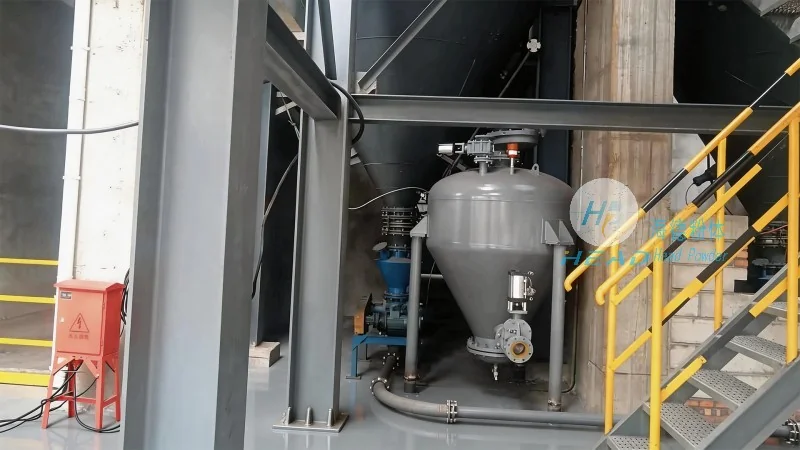
Working Principle of Silicate Pneumatic Conveying
The working principle of silicate pneumatic conveying machines is based on the fundamental concept of using compressed air to transport dry powders in a pneumatic system. There are two primary modes of operation: dilute-phase and dense-phase conveying. Dilute-phase conveying utilizes low air velocity and a high air-to-material ratio, making it suitable for short to medium distances and fine powders. Dense-phase conveying, in contrast, employs higher air velocity and a lower air-to-material ratio, ideal for longer distances and bulkier materials. The process begins with the material being fed from the hopper into the conveying line via the feeder. Simultaneously, compressed air is introduced into the line, creating a flow that lifts and transports the material particles. The air and material mixture travels through the conveying line to the receiver, where the material is separated from the air using a cyclone or other separation equipment. The separated air is then either recirculated back to the system or vented to the atmosphere, depending on the system design. The entire operation is monitored by sensors and control valves that regulate pressure, flow rate, and material level, ensuring optimal performance and preventing system failures.
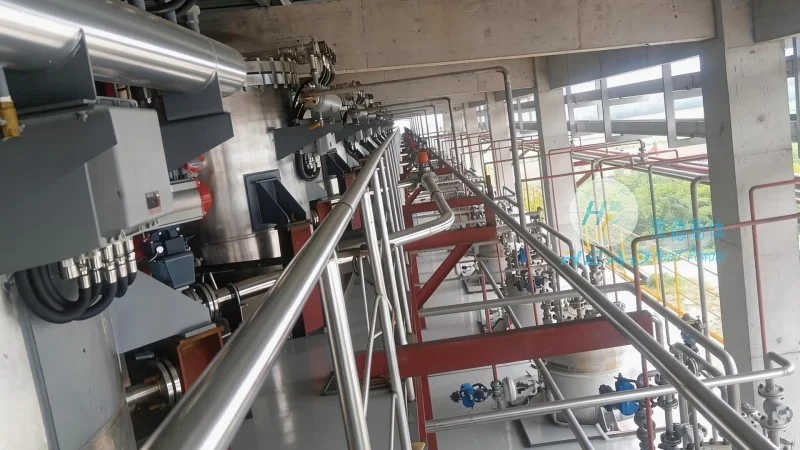
Operation Process of Silicate Pneumatic Conveying Machines
The operation of a silicate pneumatic conveying machine follows a systematic sequence of steps to ensure smooth and efficient material transport. The initial phase is preparation, where the hopper is filled with the silicate material, and the system is inspected for any blockages or leaks. The start-up phase involves activating the air compressor and adjusting the feeder to the desired flow rate. During the conveying phase, the material is transported from the hopper to the receiver. The system continuously monitors pressure and flow rate to maintain the optimal air-to-material ratio and material velocity. The shutdown phase involves turning off the air compressor and stopping the feeder to prevent material discharge into the hopper. The cleaning phase is crucial, where the system is flushed with air to remove residual material from the conveying line and hopper, preventing buildup and ensuring long-term performance.
Technical Advantages of Silicate Pneumatic Conveying Machines
Silicate pneumatic conveying machines offer several technical advantages that enhance their performance and reliability. One key advantage is their ability to handle fine and abrasive materials without causing significant wear on the equipment. The use of high-quality stainless steel or specialized coatings in the conveying line and components ensures durability and resistance to corrosion. Another advantage is the system's cleanliness, as the material is transported in an enclosed environment, minimizing dust contamination and maintaining product purity. The flexibility of the system allows for easy integration with existing production lines, and the ability to adjust flow rates and pressures makes it adaptable to various applications. Additionally, the energy efficiency of these systems is notable, as the air compressor can be sized to meet specific operational needs, reducing energy consumption and operational costs.
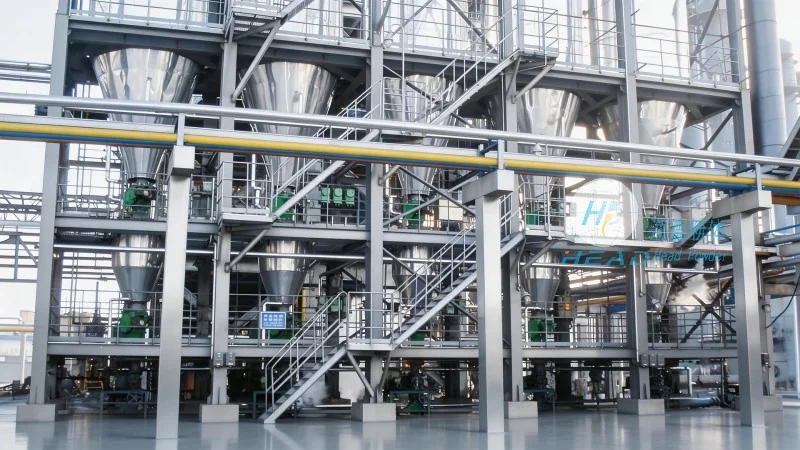
Application Examples in Industrial Settings
Silicate pneumatic conveying machines are widely utilized in diverse industrial sectors where the handling of fine powders is essential. In the glass manufacturing industry, they are employed to transport silica sand from storage silos to melting furnaces, ensuring a consistent and high-quality feed. In the ceramics industry, these machines convey kaolin and other clay materials to mixing and shaping processes, maintaining moisture content and preventing contamination. In the chemical processing industry, they transport mineral powders like calcium carbonate and talc to reaction vessels, enabling precise dosing and uniform mixing. These applications demonstrate the versatility and reliability of silicate pneumatic conveying machines in meeting the demanding requirements of modern industrial production.