

Operation Process and Working Principle of Coffee Bean Pneumatic Conveying Equipment
For coffee processing facilities, efficient and reliable material handling is crucial to maintaining production efficiency and product quality. The coffee bean pneumatic conveying system, developed by Shandong HeadPowder Engineering Co., Ltd., is a specialized equipment designed to transport coffee beans and other granular materials with precision and minimal loss. This article will explore the operation process and working principle of this advanced system, highlighting its key components and the technology behind its effective performance.
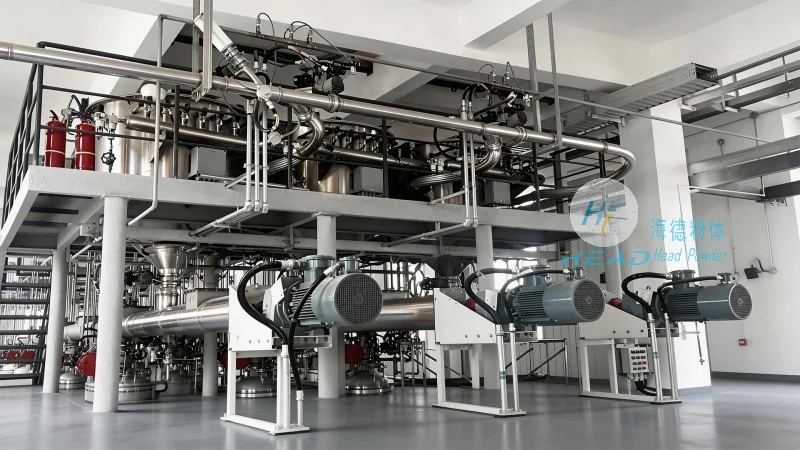
Introduction to Coffee Bean Pneumatic Conveying Systems
The coffee bean pneumatic conveying system is an essential piece of equipment in modern coffee processing plants. It is engineered to handle the transportation of coffee beans from storage silos or processing units to various stages of production, such as roasting, packaging, or further processing. Unlike traditional mechanical conveyors, pneumatic systems use air pressure to move materials, offering advantages like reduced contamination risk, lower maintenance requirements, and the ability to transport materials over longer distances without the need for complex infrastructure.
Key Components of the Coffee Bean Pneumatic Conveying System
The system consists of several critical components that work in tandem to ensure smooth operation. These include the hopper or inlet where coffee beans are loaded, the air compressor that generates the necessary air pressure, the conveying line (often made of flexible or rigid tubing), and the discharge point where the beans are released. Additionally, the system may incorporate filters to remove dust and debris from the air, ensuring clean air circulation and preventing contamination of the coffee beans. The control panel allows operators to monitor and adjust the system's parameters, such as air pressure and flow rate, to optimize performance.
The Operation Process: Step-by-Step
The operation of the coffee bean pneumatic conveying system follows a systematic process. First, coffee beans are fed into the inlet hopper from storage bins or processing equipment. The system then activates the air compressor, which draws in ambient air and compresses it to a specific pressure level. This pressurized air is then introduced into the conveying line, creating a flow that propels the coffee beans forward. As the beans travel through the line, they are suspended and carried along by the air stream. The system may include multiple conveying lines or branches to direct the beans to different destinations within the facility. At the discharge point, the beans are collected in a container or transferred to the next processing stage. The entire process is automated and can be controlled remotely, allowing for consistent and efficient material handling.
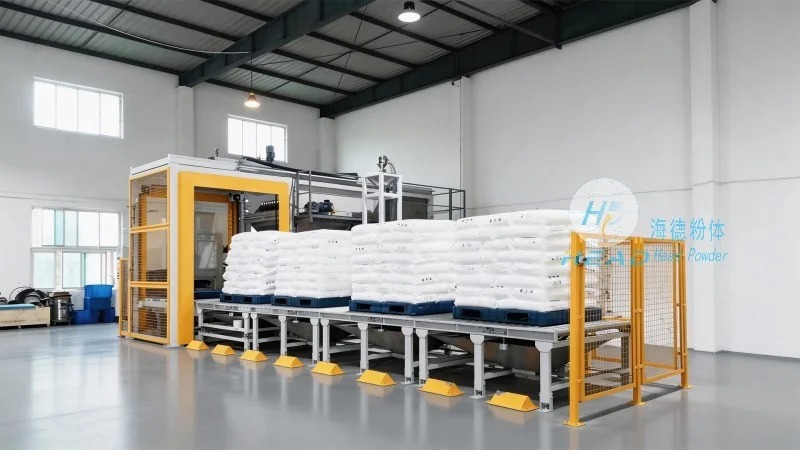
Working Principle: How It Works
The working principle of the coffee bean pneumatic conveying system is based on the principles of fluidization and pneumatic transport. When air is introduced into the conveying line at a high velocity, it creates a low-pressure zone that draws the coffee beans into the air stream. The beans are then suspended and carried along by the air flow. The system utilizes positive pressure or negative pressure (or a combination of both) to move the material. Positive pressure systems use an air compressor to push air and material through the line, while negative pressure systems use a vacuum to pull material into the line. The choice of pressure type depends on the specific application and the distance the material needs to be transported. The system's design ensures that the coffee beans are transported without excessive friction or damage, preserving their quality and integrity.
Advantages of Using Coffee Bean Pneumatic Conveying Equipment
Implementing a coffee bean pneumatic conveying system offers several advantages for coffee processing facilities. First, it provides a hygienic and clean method of material handling, as the system is enclosed and prevents contamination from external sources. This is particularly important in food processing environments where maintaining product purity is paramount. Second, the system reduces labor costs by automating the material transport process, minimizing the need for manual handling and reducing the risk of human error. Third, it offers flexibility in terms of layout and design, as the conveying lines can be easily reconfigured or extended to accommodate changes in production requirements. Additionally, the system is energy-efficient compared to traditional mechanical conveyors, as it uses less power to transport materials over longer distances. Finally, the system's compact design allows for space-saving installation in facilities with limited floor space.
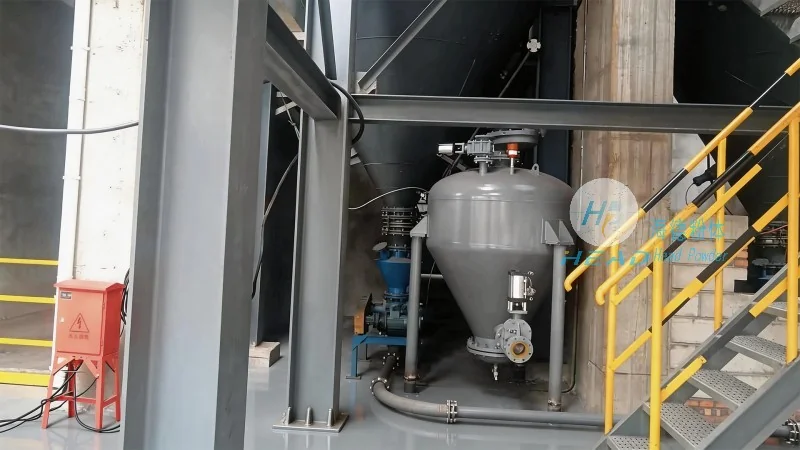
Applications in Coffee Processing
The coffee bean pneumatic conveying system is widely used in various stages of coffee processing. It is commonly employed in the transportation of green coffee beans from storage to roasting ovens, where precise temperature control is critical. The system can also be used to move roasted coffee beans from the roasting unit to packaging machines, ensuring that the beans are handled gently to preserve their flavor and aroma. Furthermore, the system is suitable for transporting coffee beans to blending areas, where different varieties are combined to create unique coffee blends. In addition, the system can be integrated with other processing equipment, such as decaffeination or flavoring units, to streamline the overall production process. The versatility of the coffee bean pneumatic conveying system makes it an indispensable tool in modern coffee processing operations.
Maintenance and Operational Considerations
To ensure the long-term performance and reliability of the coffee bean pneumatic conveying system, regular maintenance is essential. This includes cleaning the conveying lines and filters to prevent clogging, checking the air compressor for proper operation, and inspecting the control panel for any issues. The system should be operated within the recommended pressure and flow rate ranges to avoid damage to components and ensure optimal performance. Additionally, operators should be trained on the proper use of the system and the importance of monitoring its performance regularly. By following these maintenance and operational guidelines, coffee processing facilities can maximize the lifespan of their equipment and minimize downtime.
Conclusion
The coffee bean pneumatic conveying system developed by Shandong HeadPowder Engineering Co., Ltd. represents a sophisticated solution for efficient material handling in coffee processing facilities. By understanding the operation process and working principle of this equipment, businesses can leverage its advantages to enhance production efficiency, maintain product quality, and reduce operational costs. As a leading manufacturer in the industry, Shandong HeadPowder Engineering Co., Ltd. continues to innovate and provide high-quality equipment that meets the evolving needs of the coffee processing sector. With its commitment to precision and reliability, the company's coffee bean pneumatic conveying systems are a valuable asset for any coffee processing operation.