

Operation Process and Working Principle of a Calcium Carbonate Powder Pneumatic Conveying System
HeadPowder Engineering, headquartered in Shandong, China, specializes in the design and implementation of advanced pneumatic conveying systems tailored for the handling of calcium carbonate powders. These systems are engineered to efficiently transport fine powders like calcium carbonate, which are widely utilized in industrial applications such as plastics, coatings, and paper production. The operation of a calcium carbonate powder pneumatic conveying system involves a series of integrated components and processes that ensure reliable and efficient material transfer.
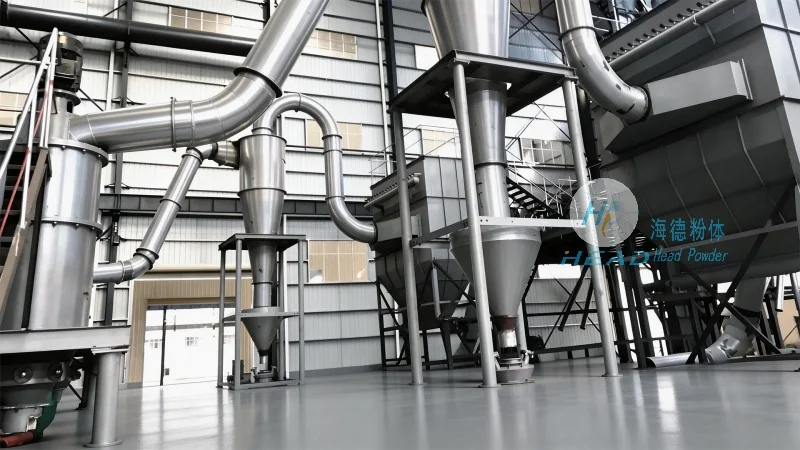
System Components and Their Roles
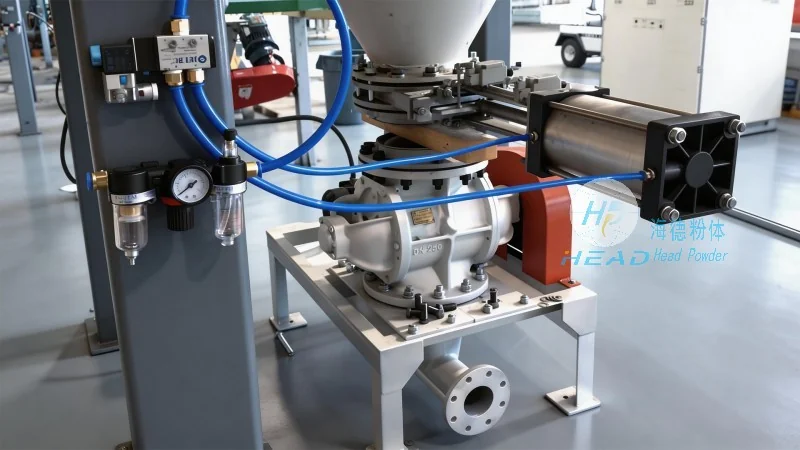
The core components of a pneumatic conveying system for calcium carbonate powder typically include a material feeder, a conveying pipeline, a gas source (air compressor or vacuum pump), a separation and filtration unit, and a discharge device. Each component plays a critical role in the overall system performance. The material feeder, often a rotary valve or a screw feeder, controls the flow rate of the calcium carbonate powder into the system, ensuring a consistent feed to the conveying pipeline. The conveying pipeline, usually made of stainless steel or other corrosion-resistant materials, is designed to withstand the abrasive nature of the powder and the pressure or vacuum conditions during operation. The gas source provides the necessary air or gas flow to move the powder particles through the pipeline. The separation and filtration unit is crucial for recovering the powder from the exhaust air, preventing dust emissions and maintaining material purity. Finally, the discharge device allows the calcium carbonate powder to be released at the destination point, such as a storage silo or processing equipment.
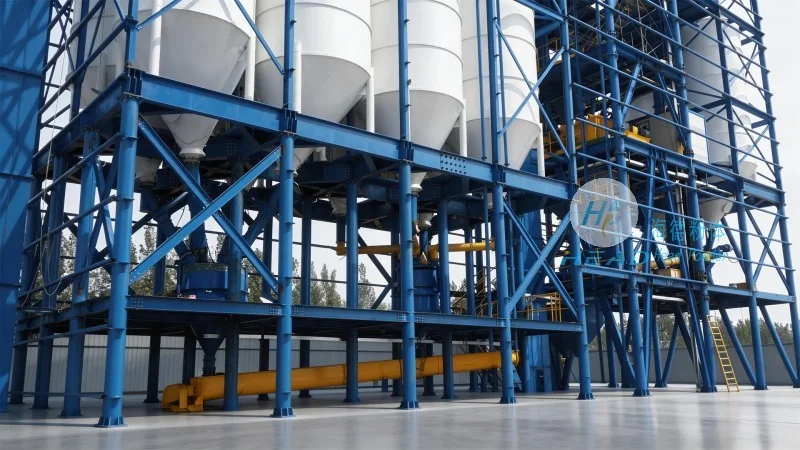
Operation Process of the Pneumatic Conveying System
The operation process of a calcium carbonate powder pneumatic conveying system begins with the feeding of the powder into the system. The material feeder regulates the feed rate, ensuring that the correct amount of powder is introduced into the conveying pipeline. Simultaneously, the gas source starts supplying air or gas at a controlled pressure or vacuum level. As the powder enters the pipeline, it is entrained by the moving air stream, forming a slurry-like mixture. The mixture travels through the conveying pipeline to the destination point. At the receiving end, the separation unit operates to separate the powder from the air. The powder is collected in a hopper or silo, while the air is filtered and discharged. The discharge device then releases the calcium carbonate powder into the next stage of the production process. The entire process is automated, with sensors and control systems monitoring parameters such as pressure, flow rate, and material level to maintain optimal operation. This automated control ensures consistent performance and minimizes downtime, making the system highly efficient for continuous production.
Working Principle of Pneumatic Conveying
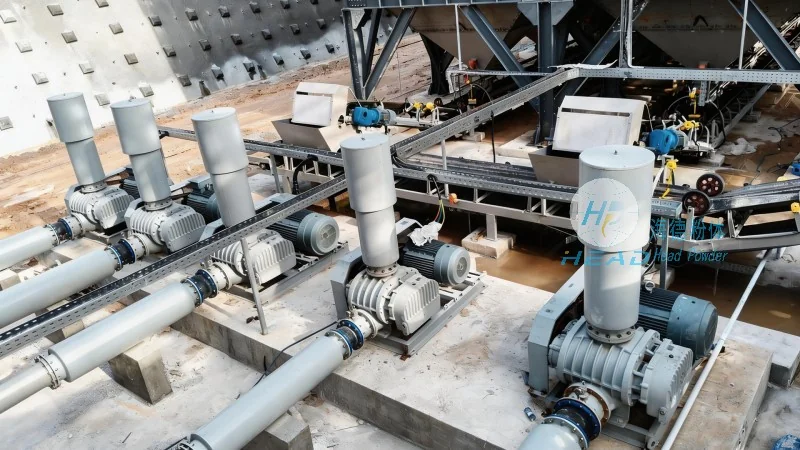
The working principle of a pneumatic conveying system for calcium carbonate powder is based on the fundamental concept of transporting solid particles using a gas stream. There are two primary modes of pneumatic conveying: pressure conveying and vacuum conveying. In pressure conveying, the system operates under positive pressure, where the air is compressed and forced through the pipeline, carrying the powder particles. This mode is suitable for short to medium distances and when the powder needs to be conveyed from a central source to multiple destinations. In vacuum conveying, the system operates under negative pressure, where a vacuum pump draws air and powder particles into the pipeline. This mode is ideal for long-distance or when the powder needs to be collected from multiple points and transported to a central location. The key to efficient pneumatic conveying is the balance between the air velocity and the particle size and density. The air velocity must be sufficient to overcome the drag forces acting on the powder particles but not so high as to cause excessive wear on the pipeline or equipment. The system's design, including the pipe diameter, bends, and fittings, is optimized to minimize pressure drop and energy consumption while ensuring smooth material flow. The separation and filtration unit works by using cyclones or bag filters to separate the powder from the air. The cyclone uses centrifugal force to separate the heavier powder particles from the lighter air, while the bag filter captures fine particles to prevent dust emissions. The recovered powder is then returned to the system or stored for further use, ensuring minimal material loss and environmental compliance.
Advantages of Using Pneumatic Conveying for Calcium Carbonate Powder
Implementing a pneumatic conveying system for calcium carbonate powder offers several advantages over traditional methods such as belt conveyors or bucket elevators. One of the primary benefits is the ability to handle fine powders without the risk of clogging or blockages, which are common in mechanical conveyors. Pneumatic systems are also more hygienic and cleaner, as they do not involve moving parts that can trap dust or contaminants. This is particularly important for calcium carbonate powders used in food and pharmaceutical applications, where product purity is critical. Additionally, pneumatic conveying systems are more flexible and can be easily reconfigured to accommodate changes in production volume or process requirements. The automated control systems allow for precise regulation of flow rates and pressure, ensuring consistent product quality. Another advantage is the reduced maintenance requirements compared to mechanical conveyors, as there are fewer moving parts and less wear and tear on the equipment. The energy efficiency of pneumatic systems is also a significant benefit, as they can be optimized to use less air and energy while maintaining high throughput. Overall, the use of pneumatic conveying for calcium carbonate powder enhances operational efficiency, product quality, and environmental compliance, making it a preferred choice for modern industrial applications.
Conclusion
HeadPowder Engineering's pneumatic conveying systems for calcium carbonate powder exemplify advanced industrial technology designed to meet the demanding requirements of modern production processes. By integrating robust components, automated control systems, and efficient separation technologies, these systems ensure reliable and efficient material handling. The operation process, from feeding to discharge, is streamlined and optimized for continuous production, while the working principle leverages the physics of gas-solid flow to achieve high performance. The advantages of using such systems, including improved hygiene, reduced maintenance, and energy efficiency, make them a valuable investment for industries relying on calcium carbonate powders. With a strong presence in Shandong, China, HeadPowder Engineering continues to provide innovative solutions that enhance operational efficiency and product quality for its clients.