

Operation Process and Working Principle of Sorghum Distillers Grains Pneumatic Conveying System
For enterprises engaged in the processing of sorghum distillers grains, the efficient handling and transportation of this byproduct are crucial for production continuity and operational efficiency. The pneumatic conveying system developed by Shandong HeadPowder Engineering Co., Ltd. (referred to as HeadPowder) offers a reliable solution for the transportation of sorghum distillers grains, ensuring stable operation and high efficiency in the production process. This article will detail the operation process and working principle of the system, providing a comprehensive understanding of its application and technical advantages.
Basic Overview of the Pneumatic Conveying System
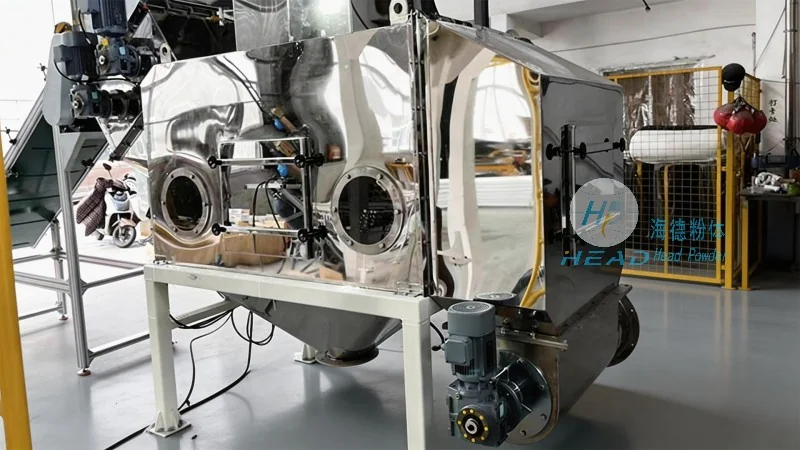
The pneumatic conveying system for sorghum distillers grains is a closed-loop system designed to transport bulk materials through a pipeline using air as the conveying medium. HeadPowder's system is specifically tailored to handle the characteristics of sorghum distillers grains, such as their moisture content, particle size, and bulk density. The system typically consists of several key components, including a hopper, feeder, air compressor, conveying pipeline, and dust collection equipment. Each component plays a vital role in ensuring the smooth and efficient operation of the entire system.
Operation Process of the Pneumatic Conveying System
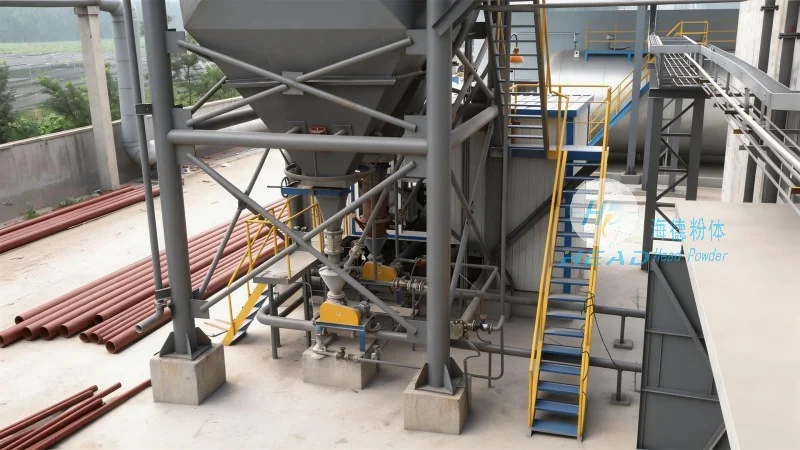
The operation process of the sorghum distillers grains pneumatic conveying system involves several sequential steps. First, the sorghum distillers grains are fed into the hopper from the storage silo. The feeder then controls the discharge rate of the material into the conveying pipeline. Simultaneously, the air compressor generates high-pressure air, which is introduced into the pipeline. The air and material mixture travels through the pipeline under the pressure difference, moving from the feeding point to the discharge point. At the discharge end, the material is separated from the air through a separator, and the air is then filtered and recycled back to the compressor. This closed-loop operation minimizes material loss and ensures environmental protection.
Working Principle of the Pneumatic Conveying System
The working principle of the pneumatic conveying system is based on the principle of air flow and pressure difference. When the air compressor supplies high-pressure air into the conveying pipeline, it creates a pressure difference between the inlet and outlet of the pipeline. The sorghum distillers grains are drawn into the pipeline by the pressure difference and are carried along with the air flow. The material is suspended in the air stream and transported to the destination. The separator at the discharge end uses centrifugal force to separate the material from the air, allowing the air to be recirculated and the material to be collected. This process ensures that the material is transported without direct contact with external environments, maintaining hygiene and preventing contamination.
Technical Advantages of the System
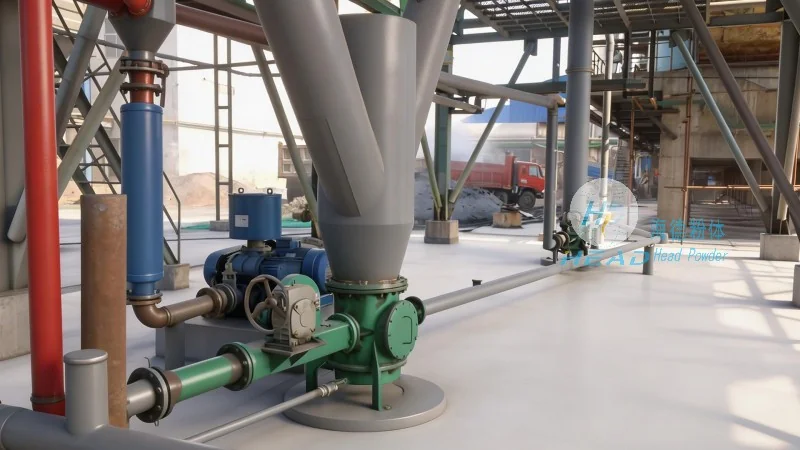
HeadPowder's pneumatic conveying system for sorghum distillers grains offers several technical advantages that make it an ideal choice for industrial applications. Firstly, the system provides a fully enclosed transportation process, which effectively prevents dust pollution and maintains a clean working environment. Secondly, the system is highly efficient, with low energy consumption and high material throughput, reducing production costs for enterprises. Thirdly, the system is flexible and can be adjusted to handle different material characteristics and production requirements. Additionally, the system is easy to maintain and operate, with minimal downtime and maintenance costs. These advantages make the system a reliable and cost-effective solution for the transportation of sorghum distillers grains.
Application Scenarios and Benefits
The pneumatic conveying system is widely used in various industries, including the food and beverage industry, agricultural processing, and chemical manufacturing. For sorghum distillers grains, the system is particularly suitable for transporting the material from storage to processing equipment, such as fermenters or dryers. The benefits of using this system include improved production efficiency, reduced labor costs, and enhanced product quality. By using the pneumatic conveying system, enterprises can streamline their production processes, reduce material loss, and improve overall operational performance.