

Operation Process and Working Principle of Cement Auxiliary Material Pneumatic Conveying System
HeadPowder, a leading provider of industrial material handling solutions, specializes in the design, manufacturing, and installation of pneumatic conveying systems for cement auxiliary materials. This article delves into the operational process and underlying working principles of such systems, offering insights into their efficiency and reliability in modern cement production and processing.
System Overview and Core Components
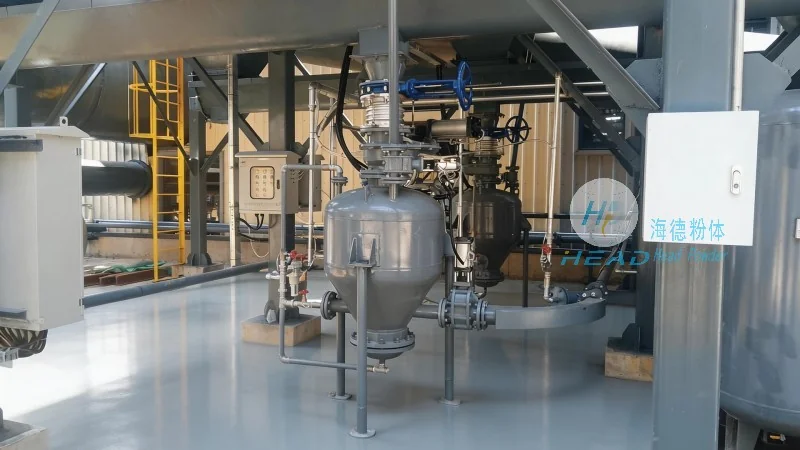
The cement auxiliary material pneumatic conveying system is engineered to transport bulk materials like limestone, gypsum, and fly ash from storage silos or raw material piles to the cement production line. The system typically comprises several key components, including a hopper for material storage, a feeder to control the flow rate, a conveying pipeline network, a dust collection system, and a control panel for automated operation. These components work in tandem to ensure seamless material transfer with minimal downtime and optimal material quality preservation.

Operation Process: Step-by-Step Execution
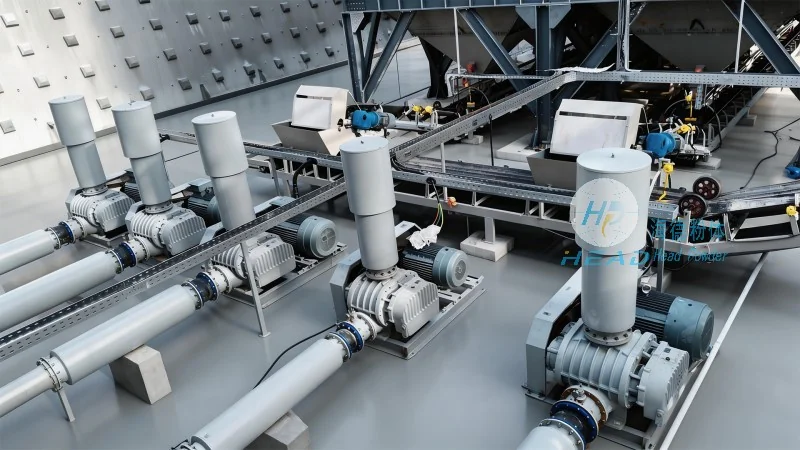
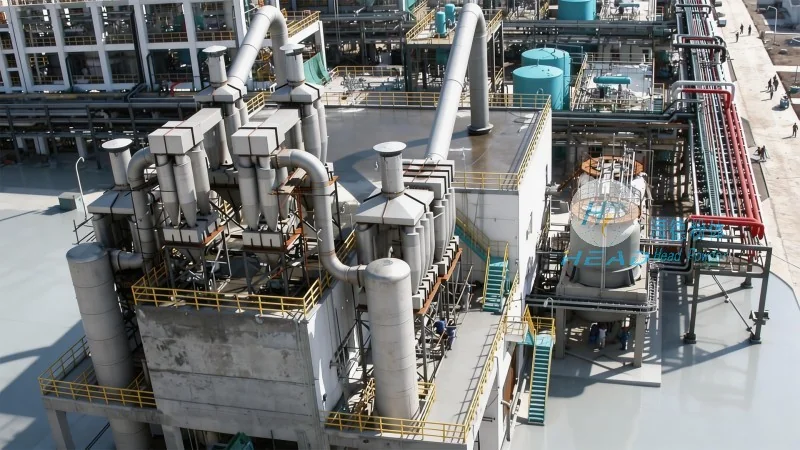
The operational process of the pneumatic conveying system begins with material loading into the hopper. The feeder then regulates the material discharge rate, feeding the material into the conveying pipeline. As the material enters the pipeline, it is propelled by a high-pressure air stream generated by a blower or compressor. The air and material mixture travels through the pipeline network, which may include bends, expansions, or filters to maintain consistent flow and prevent blockages. At the receiving end, a separator or cyclone separates the material from the air, allowing the material to be discharged into the next processing stage, while the air is recirculated or vented through the dust collection system. The control panel monitors and adjusts parameters such as air pressure, flow rate, and material level to maintain stable operation.
Working Principle: The Physics Behind Pneumatic Conveying
The working principle of the cement auxiliary material pneumatic conveying system is based on the fundamental physics of fluid dynamics and particle motion. The system utilizes a high-velocity air stream to entrain and transport bulk materials. When air is introduced into the conveying pipeline at a sufficient velocity, it creates a low-pressure zone that draws the material particles into the air stream. The material particles are then carried along the pipeline by the air flow, with the air pressure and velocity being carefully controlled to ensure stable transport without causing material degradation or excessive wear on the system components. The separation process at the receiving end relies on the difference in density between the material and the air, where the heavier material particles settle out of the air stream due to gravity, while the lighter air is either recirculated or filtered to remove any residual dust.
Advantages and Applications in Cement Industry
Pneumatic conveying systems for cement auxiliary materials offer several advantages over traditional mechanical conveying methods. These include reduced material degradation due to minimal contact with system components, lower maintenance requirements due to fewer moving parts, and the ability to transport materials over long distances with minimal energy consumption. The systems are widely used in cement plants to handle limestone, gypsum, and fly ash, which are critical raw materials for cement production. By ensuring efficient and reliable material transfer, these systems contribute to improved production efficiency, reduced operational costs, and enhanced product quality in the cement industry.
Conclusion: Ensuring Efficient Material Handling
HeadPowder's pneumatic conveying systems for cement auxiliary materials exemplify advanced engineering and operational excellence. By understanding the detailed operation process and working principles, users can appreciate the efficiency and reliability of these systems in modern cement production. With a focus on quality and innovation, HeadPowder continues to provide tailored solutions that meet the evolving needs of the cement industry, ensuring optimal material handling and contributing to the overall success of cement manufacturing operations.