

Operation Process and Working Principle of Polyethylene Resin Powder Pneumatic Conveying System
Shandong HeadPowder Engineering Co., Ltd., commonly known as headpowder, is a leading provider of advanced material handling solutions, specializing in the design, manufacturing, and implementation of pneumatic conveying systems for various industrial applications. Based in Shandong, China, the company leverages decades of expertise to deliver efficient and reliable systems that meet the demanding requirements of the polyethylene resin industry. This article explores the operation process and working principle of a polyethylene resin powder pneumatic conveying system, highlighting the key components, operational flow, and technical advantages that make such systems essential for modern material handling operations.
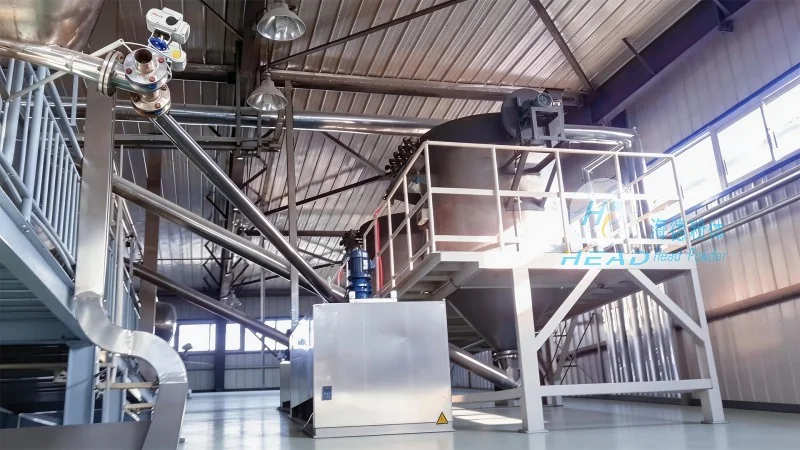
Key Components of the Pneumatic Conveying System
The polyethylene resin powder pneumatic conveying system consists of several critical components that work in tandem to ensure efficient material transport. These components include the hopper or feed bin, which stores the polyethylene resin powder; the rotary airlock valve, used to control the flow of material from the hopper into the conveying line; the main conveying line, typically made of stainless steel or other corrosion-resistant materials to handle the abrasive nature of resin powders; the air compressor or blower, which generates the necessary air pressure to move the material; and the receiver or discharge hopper, where the material is deposited at the destination. Each component is carefully selected and engineered to ensure durability, minimal maintenance, and optimal performance in handling polyethylene resin powders, which are known for their fine particle size and potential for caking or agglomeration.
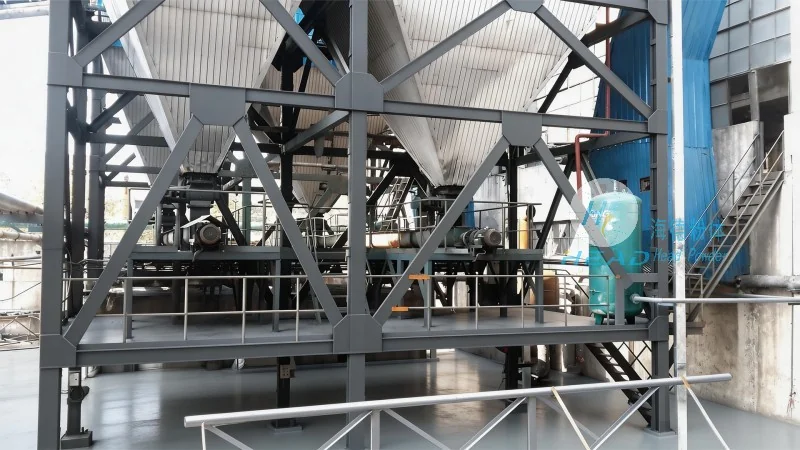
Working Principle of the Pneumatic Conveying System
The operation of a polyethylene resin powder pneumatic conveying system is based on the principle of air suspension, where the material is suspended in a stream of air and transported through the conveying line. The process begins with the material being fed from the hopper into the rotary airlock valve. The air compressor then generates a high-pressure air stream, which is introduced into the conveying line at the inlet. As the air flows through the line, it creates a low-pressure zone that draws the polyethylene resin powder into the air stream. The combination of the air flow and the material's particle size causes the powder to become suspended, allowing it to be transported over long distances with minimal loss or degradation. The receiver at the end of the line collects the material as the air pressure decreases, and the air is typically filtered and recycled back to the compressor to conserve energy and reduce operational costs.
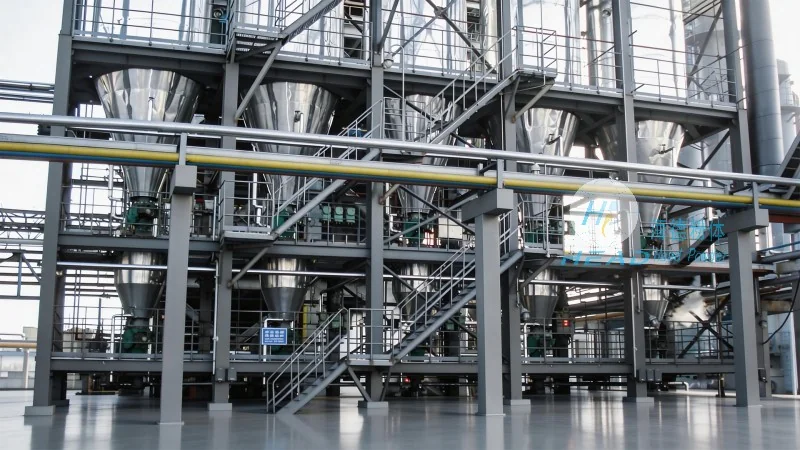
Operation Process of the Polyethylene Resin Powder Pneumatic Conveying System
The operation process of the system involves several sequential steps that ensure smooth and continuous material handling. First, the polyethylene resin powder is loaded into the hopper, which is equipped with a level indicator to monitor the material inventory. The rotary airlock valve is then activated to control the flow rate of the material into the conveying line. The air compressor is started, and the air pressure is adjusted to the optimal level for the specific material and distance. As the material is fed into the line, it is carried by the air stream to the receiver. The receiver is designed with a discharge valve that can be controlled to regulate the output flow. The system is equipped with safety features such as pressure relief valves and air filters to prevent over-pressurization and ensure clean air circulation. Regular maintenance, including cleaning of the hopper, airlock valve, and conveying line, is performed to prevent clogging and maintain system efficiency. The entire operation is typically automated, with sensors and control systems monitoring key parameters like pressure, flow rate, and material level to ensure consistent performance and minimize downtime.
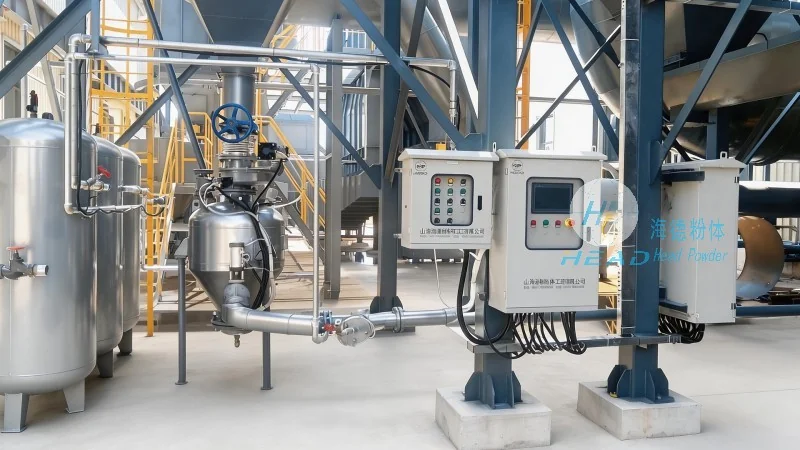
Advantages of Using a Polyethylene Resin Powder Pneumatic Conveying System
Implementing a polyethylene resin powder pneumatic conveying system offers numerous advantages for industrial applications. One of the primary benefits is the ability to transport fine powders over long distances without the need for mechanical components like belts or screws, which can cause wear and tear or contamination. The system is also highly flexible, allowing for multiple inlets and outlets, enabling complex material handling layouts. Additionally, pneumatic conveying systems are more hygienic and easier to clean compared to traditional systems, which is crucial for food-grade or pharmaceutical applications where polyethylene resin is used. The energy efficiency of the system, particularly with the use of air recycling and energy-saving compressors, reduces operational costs over time. Furthermore, the system's ability to handle varying material flow rates and particle sizes makes it suitable for a wide range of industrial processes, from small-scale production to large-scale manufacturing. Overall, the polyethylene resin powder pneumatic conveying system provides a reliable, efficient, and cost-effective solution for material handling in the polyethylene industry.