

Operation Process and Working Principle of Positive Pressure Dense Phase Pneumatic Conveying Equipme
Positive pressure dense phase pneumatic conveying equipment is a sophisticated system designed to transport bulk materials efficiently and reliably. This technology has become a cornerstone in various industrial sectors, offering a solution for material handling challenges that traditional methods may struggle with. The equipment operates under positive pressure, ensuring that the material is conveyed in a dense phase, which minimizes particle degradation and reduces system wear. Understanding the operation process and working principle is crucial for optimizing performance and maintaining the integrity of the conveyed materials. HeadPowder, a leading manufacturer based in Shandong, China, specializes in the design and production of such advanced conveying systems.
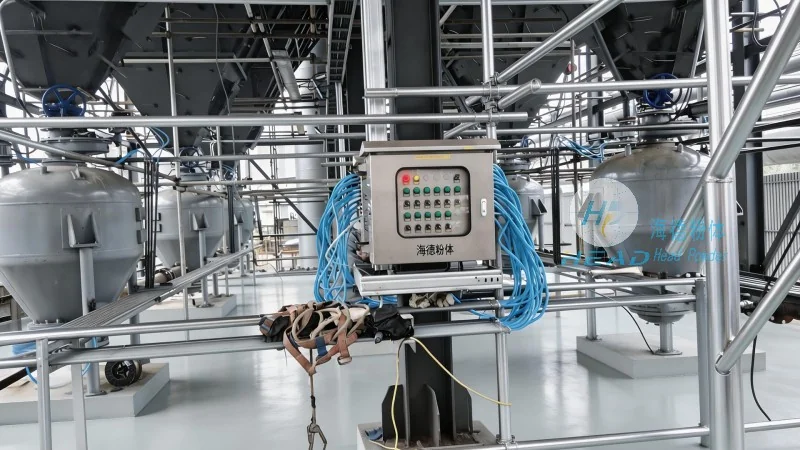
Overview of Positive Pressure Dense Phase Pneumatic Conveying
At the core of positive pressure dense phase pneumatic conveying is the ability to transport materials in a dense, slurry-like state. This is achieved by introducing air or gas at a controlled pressure into the conveying line, which lifts and moves the material particles. The system typically consists of a hopper, a positive displacement blower or compressor, a conveying line, and a discharge point. The design ensures that the material remains in a compacted state throughout the process, preventing segregation and maintaining product quality. HeadPowder's equipment is engineered to meet the specific needs of various industries, ensuring optimal performance and reliability.
Key Components and Their Roles
The successful operation of positive pressure dense phase pneumatic conveying equipment relies on several critical components. The hopper serves as the material storage and feeding unit, providing a consistent supply of bulk material. The positive displacement blower or compressor generates the necessary pressure to move the material through the conveying line. This component is essential for maintaining the dense phase condition, as it delivers a steady flow of air or gas. The conveying line, often made of durable materials such as stainless steel or plastic, ensures that the material and air mixture travels efficiently from the hopper to the discharge point. Finally, the discharge point, which may include a filter or separator, collects the material and separates it from the air, completing the conveying process. HeadPowder's components are built with high-quality materials to ensure durability and long-term performance.
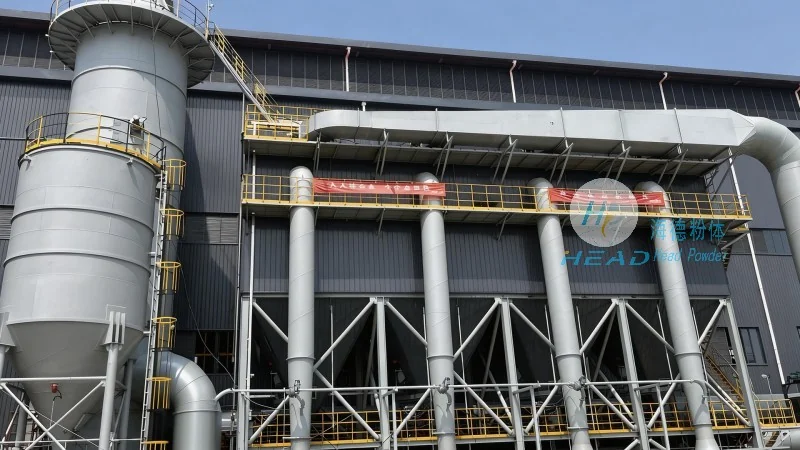
Operation Process: Step-by-Step
The operation process of positive pressure dense phase pneumatic conveying equipment involves several sequential steps. First, the bulk material is loaded into the hopper. The material is then fed into the conveying line under the influence of the positive pressure generated by the blower or compressor. As the material moves through the line, it remains in a dense phase due to the high pressure and controlled air flow. The conveying line may include bends and changes in direction, but the system is designed to handle these without disrupting the dense phase. At the discharge point, the material is collected and the air is filtered or vented, depending on the system configuration. This step ensures that the material is delivered to its intended destination while maintaining its quality and preventing contamination. HeadPowder's systems are designed to handle various operational scenarios, ensuring smooth and efficient material transport.
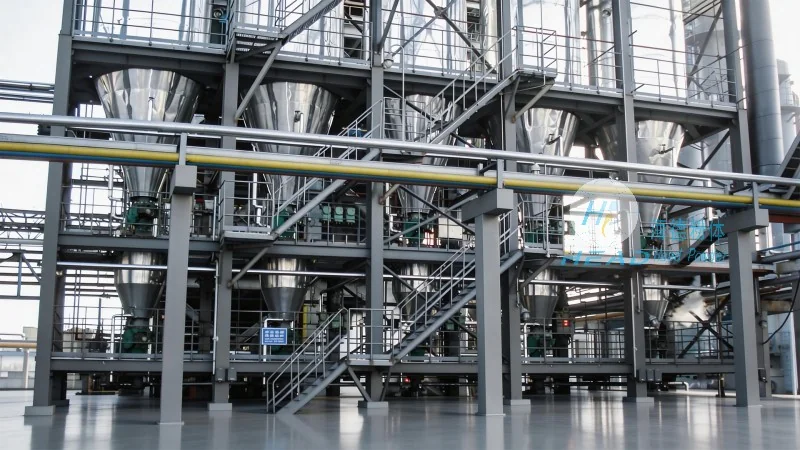
Working Principle: The Physics Behind the Process
The working principle of positive pressure dense phase pneumatic conveying is based on the principles of fluid dynamics and particle mechanics. The system operates by creating a pressure differential between the hopper and the discharge point. The positive pressure applied to the hopper forces the material particles to move through the conveying line along with the air or gas. The dense phase condition is achieved when the material concentration is high enough to prevent individual particles from separating and settling. This state is maintained by the continuous flow of air and the controlled pressure, which keeps the material suspended and moving as a cohesive mass. The physics of this process ensures that the material is conveyed efficiently with minimal degradation, making it suitable for a wide range of applications, including food, pharmaceuticals, and chemicals. HeadPowder's expertise in fluid dynamics allows for the design of systems that optimize this process for maximum efficiency.
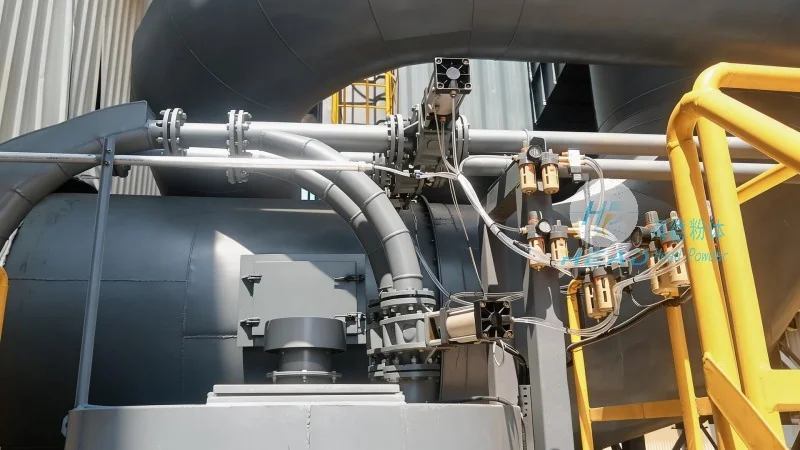
Advantages and Applications
Positive pressure dense phase pneumatic conveying equipment offers several advantages over traditional conveying methods. The dense phase operation minimizes particle degradation, which is critical for sensitive materials such as powders and granules. It also reduces system wear and maintenance costs, as the material is conveyed in a compacted state rather than as individual particles. The system is versatile and can handle a wide range of materials, from fine powders to bulk solids. Applications include the transportation of cement, flour, and other industrial powders, as well as the handling of pharmaceuticals and food products. The equipment is also suitable for long-distance conveying, making it an ideal solution for industrial plants that require efficient material transport over considerable distances. HeadPowder's equipment is tailored to meet the specific requirements of various industries, ensuring reliable and efficient material handling.
Maintenance and Operational Considerations
Proper maintenance is essential to ensure the optimal performance of positive pressure dense phase pneumatic conveying equipment. Regular inspection of the hopper and conveying line for blockages or wear is necessary to prevent system failures. The blower or compressor should be checked for proper pressure and flow rates to maintain the dense phase condition. Air filters and separators should be cleaned or replaced as needed to ensure that the material is not contaminated by air particles. Operational considerations also include the selection of appropriate materials for the conveying line and components, as different materials may require specific handling to prevent degradation or contamination. By following proper maintenance procedures and operational guidelines, the equipment can provide long-term, reliable performance for material transport needs. HeadPowder provides comprehensive support and maintenance services to ensure the longevity and efficiency of their conveying systems.