

Principle and Working Scene Characteristics of Calcium Chloride Material Pneumatic Conveying Lines
HeadPowder, a leading engineering company based in Shandong, China, specializes in the design and implementation of advanced pneumatic conveying systems for various industrial applications. The company's expertise lies in providing efficient and reliable solutions for transporting calcium chloride materials, a critical component in many industrial processes.
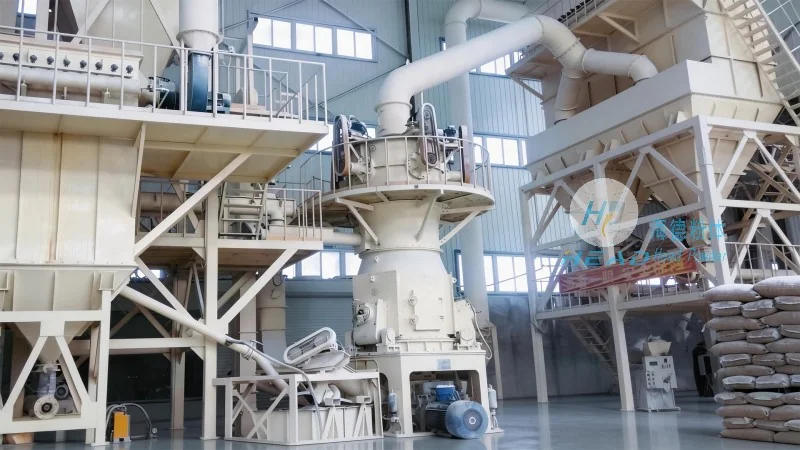
Introduction to Calcium Chloride Pneumatic Conveying Systems
Calcium chloride is widely used in industries such as construction, de-icing, and chemical manufacturing due to its unique properties. However, the efficient and safe transportation of this material requires specialized equipment. Pneumatic conveying lines offer a solution by using air to move the material through a sealed system, minimizing dust and ensuring consistent flow.
Principle of Pneumatic Conveying for Calcium Chloride
The core principle of pneumatic conveying involves creating a flow of air within a pipeline to transport the material. There are two main types of systems: dilute-phase and dense-phase. For calcium chloride, which often has a relatively fine particle size, dilute-phase systems are commonly used. The process typically starts with a material hopper where the calcium chloride is stored. A rotary valve then feeds the material into the pipeline, and a high-pressure or vacuum fan generates the air flow to move the material. The system includes components such as a separator, which separates the material from the air, and a receiver where the material is collected.
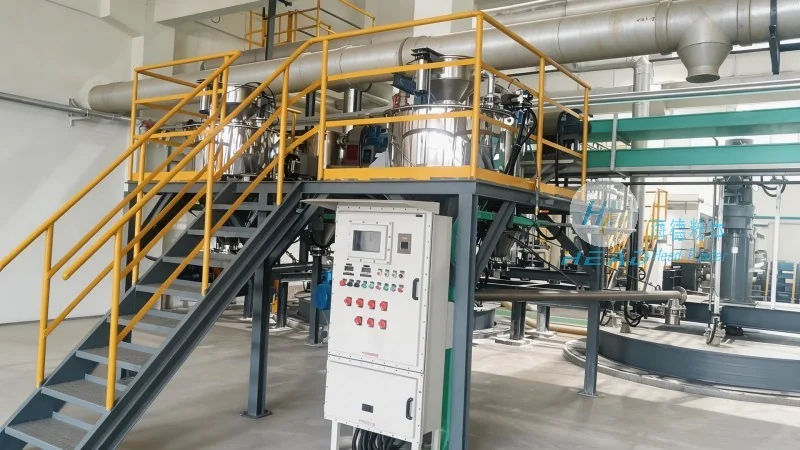
Key Components and Their Function in the System
Several critical components work together to ensure the smooth operation of a calcium chloride pneumatic conveying line. The first is the air compressor or fan, which provides the necessary air pressure or vacuum. The material feeder, often a rotary valve, controls the flow rate of calcium chloride into the system. The conveying pipeline is made of materials resistant to corrosion, such as stainless steel or special coatings, to handle the chemical properties of calcium chloride. The separator is crucial for removing the material from the air stream, preventing clogging and ensuring the material is delivered to the receiver in a dry state. Finally, the receiver or storage tank collects the transported calcium chloride, ready for further processing or use.
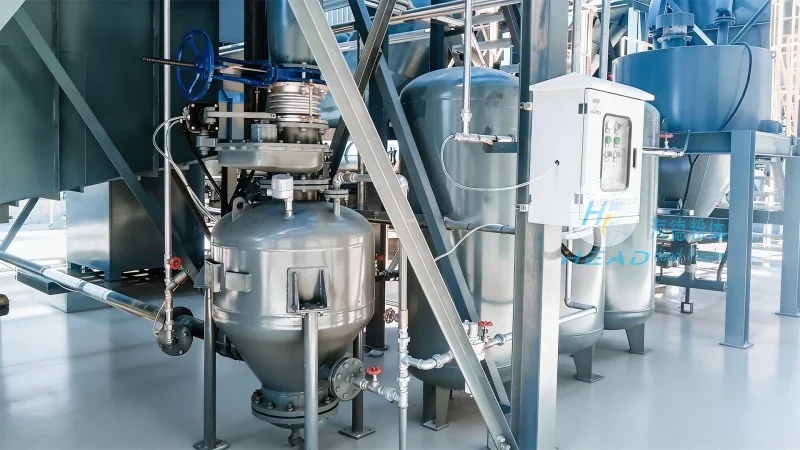
Working Scene Characteristics and Application Scenarios
The working scene characteristics of calcium chloride pneumatic conveying lines are tailored to the specific needs of different industrial environments. In construction sites, for example, these systems are used to transport calcium chloride for de-icing and dust control. The systems are designed to operate in outdoor conditions, with weather-resistant components to ensure continuous operation. In chemical plants, the lines are integrated into larger production lines, where the calcium chloride is used as an ingredient in various products. The systems are often equipped with safety features, such as pressure relief valves, to prevent over-pressurization and ensure worker safety.
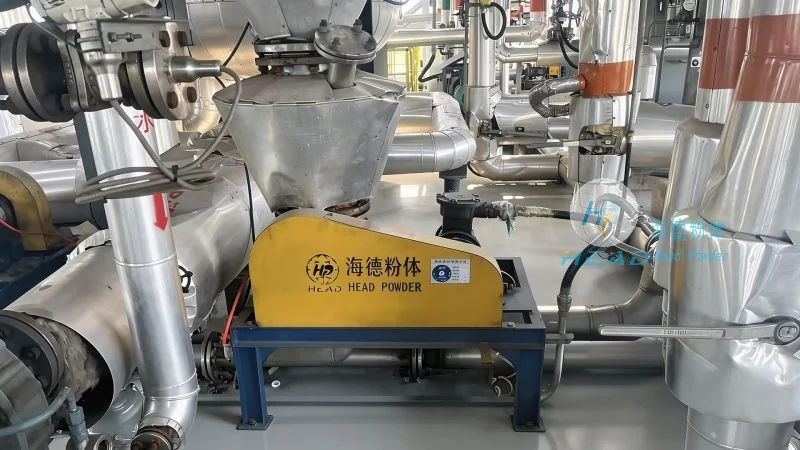
Advantages of Using Pneumatic Conveying for Calcium Chloride
Compared to traditional methods like belt conveyors or bucket elevators, pneumatic conveying offers several advantages for calcium chloride transportation. The primary benefit is the reduction of dust, which is a significant health and safety concern in many industrial settings. The sealed system also prevents contamination from external sources, maintaining the purity of the calcium chloride. Additionally, pneumatic conveying systems can operate at higher speeds, increasing the overall throughput and efficiency of the process. The flexibility of the system allows for easy integration into existing production lines, minimizing downtime during installation and maintenance.
Customization and Scalability for Different Needs
HeadPowder understands that each industrial application has unique requirements. Therefore, the company offers customized pneumatic conveying solutions tailored to the specific characteristics of the calcium chloride being transported. Factors such as particle size, moisture content, and the distance to be covered are considered during the design phase. The systems can be scaled from small laboratory-scale units to large industrial plants, ensuring that the solution fits the exact needs of the client. The company's engineering team works closely with clients to assess their requirements and provide a system that meets both performance and budget constraints.