

Principle and Working Scene Characteristics of Iron Oxide Material Pneumatic Conveying Lines
Iron oxide material pneumatic conveying lines represent a critical technology in modern industrial material handling, offering efficient and reliable solutions for transporting iron oxide powders and related materials. These systems are essential for industries that rely on consistent and safe material transport, such as chemical manufacturing, mining, and construction material production. The design and operation of such lines are tailored to address the unique properties of iron oxide, including its density, particle size distribution, and potential for dust generation.
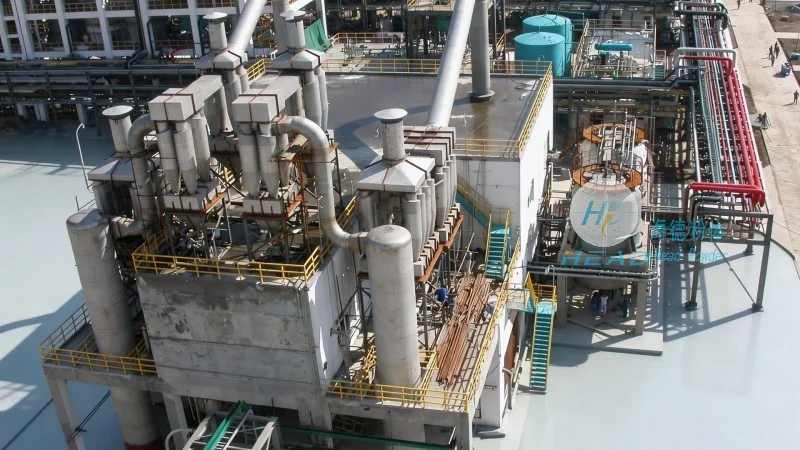
Company Introduction: HeadPowder
HeadPowder, or Shandong HeadPowder Engineering Co., Ltd., is a leading provider of specialized material handling solutions. With headquarters in Shandong, China, the company has established itself as a trusted partner in the design, manufacturing, and implementation of pneumatic conveying systems. HeadPowder's expertise lies in understanding the specific challenges of handling iron oxide and other similar materials, enabling the development of customized solutions that meet the unique requirements of each client.
The Principle of Pneumatic Conveying for Iron Oxide
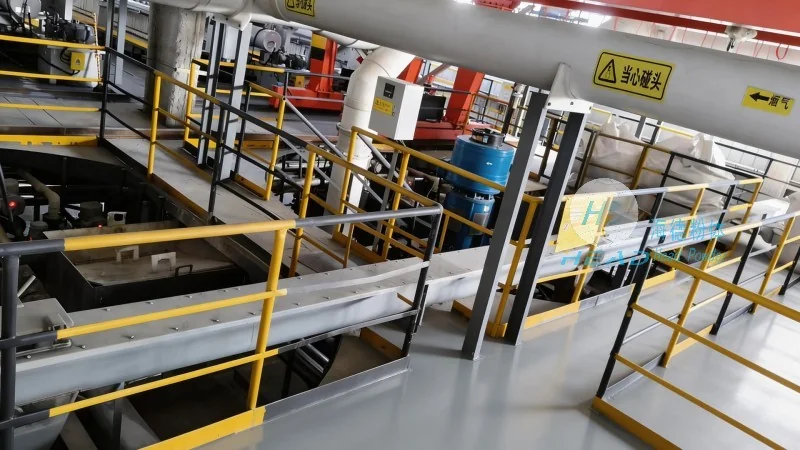
Pneumatic conveying operates on the fundamental principle of using air or gas to transport solid materials through a pipeline. For iron oxide, the system typically employs either positive pressure or negative pressure (or a combination of both) to move the material. In positive pressure systems, air is forced into the conveying line, creating a pressure higher than the ambient air, which propels the iron oxide particles forward. Negative pressure systems, on the other hand, create a vacuum that draws the material into the line. The choice between these methods depends on factors such as the distance to be covered, the volume of material, and the need to minimize dust emissions. For iron oxide, which can be abrasive and prone to creating dust, the system design must incorporate features like robust pipelines, efficient filtration, and appropriate air flow control to ensure safe and efficient operation. Engineers at HeadPowder carefully calculate the required air velocity and pressure to achieve optimal transport of iron oxide particles, typically ranging from 20 to 30 meters per second for positive pressure systems and 15 to 25 meters per second for negative pressure systems. The diameter of the conveying pipeline is also critical, as it must be sized to accommodate the particle size distribution of the iron oxide, ensuring that the particles are fully suspended and transported without settling or causing blockages.
Working Scene Characteristics of Iron Oxide Pneumatic Conveying Lines
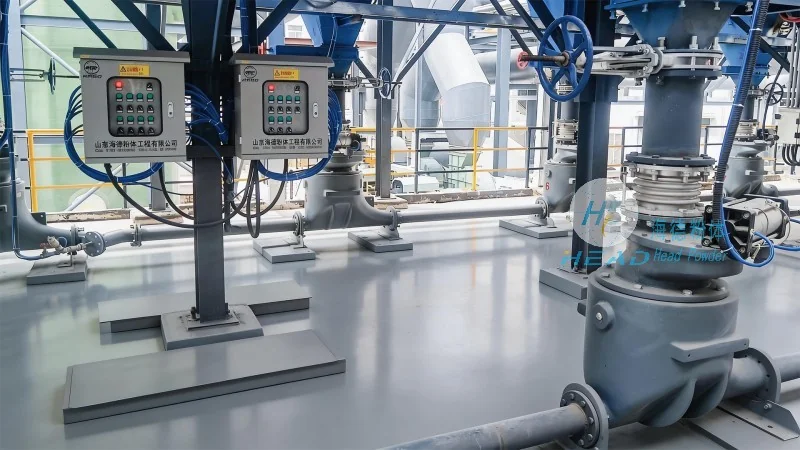
The working scene characteristics of iron oxide pneumatic conveying lines are shaped by the specific demands of industrial applications. These systems are commonly used in scenarios where traditional bulk handling methods, such as belt conveyors or bucket elevators, may be less suitable. For example, in chemical plants, iron oxide is often used as a pigment or filler in coatings, paints, and plastics. The need for clean, dust-free transport is paramount in these applications, as any contamination can affect the final product quality. The lines are designed to maintain low dust levels, which is crucial for both worker safety and product integrity. Additionally, the systems are often integrated with other processing equipment, such as mixers, reactors, or storage silos, to form a seamless material flow process. This integration enhances overall operational efficiency and reduces downtime. In mining operations, iron oxide is sometimes used as a mineral additive or as part of ore processing. The pneumatic conveying lines here must handle larger particle sizes and higher material volumes, requiring more robust components and higher air flow rates. The systems are designed to be durable and capable of withstanding the harsh conditions of mining environments, including exposure to moisture and abrasive particles.
Key Features and Technical Advantages
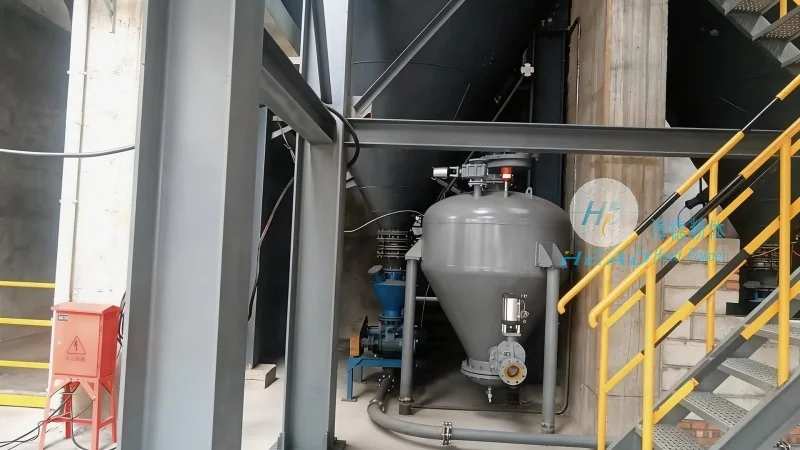
HeadPowder's iron oxide pneumatic conveying lines are equipped with several key features that address the challenges of handling this material. One of the primary advantages is the use of high-quality, wear-resistant materials for the pipelines and components, such as stainless steel or special alloys, which extends the lifespan of the system and reduces maintenance costs. The system also includes advanced air filtration and dust collection mechanisms, such as cyclone separators and bag filters, ensuring compliance with environmental regulations and maintaining a safe working environment. Furthermore, the control systems are designed to provide precise regulation of air flow and pressure, using sensors and feedback loops to adjust the system in real-time. This allows for consistent material transport rates and minimizes the risk of blockages or system failures. The integration of sensors for monitoring particle flow, pressure, and temperature provides valuable data for maintenance and process optimization. These features collectively contribute to the reliability and efficiency of the conveying process, making it an ideal solution for industries that require high-performance material handling.