

Principle and Working Scene Characteristics of Sulfur Tablet Material Pneumatic Conveying Line
HeadPowder Engineering Co., Ltd. specializes in the design and implementation of advanced material handling systems, including pneumatic conveying solutions tailored for sulfur tablet applications. This article explores the fundamental principles behind sulfur tablet material pneumatic conveying lines and highlights the key characteristics of their operational environments.
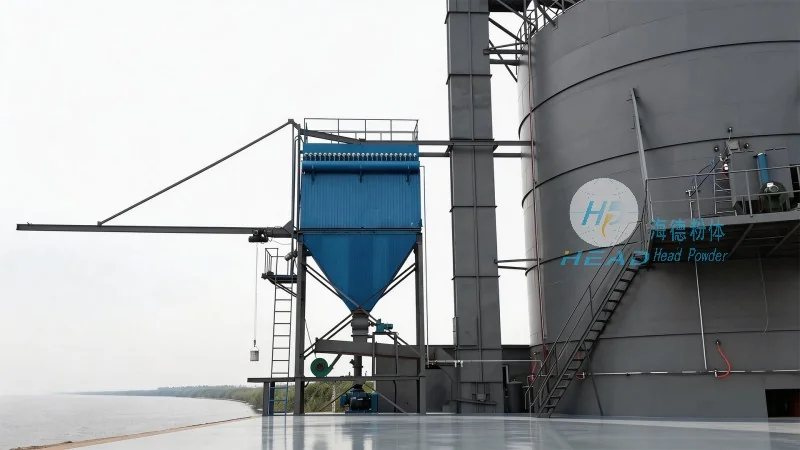
Understanding the Pneumatic Conveying Principle for Sulfur Tablets
Pneumatic conveying is a method of transporting bulk materials through a pipeline using a stream of air or gas. In the case of sulfur tablets, this technology efficiently moves the material from a source point to a destination point without the need for mechanical components like belts or buckets. The process typically involves a pressure or vacuum system that creates the necessary airflow to carry the tablets through the conveying line. The principle relies on the interaction between the material's properties—such as density, size, and shape—and the air flow dynamics within the pipeline. For sulfur tablets, which are often irregularly shaped and have specific density characteristics, the design of the conveying system must account for these factors to ensure smooth and efficient transport. The system may utilize positive pressure (where air is blown into the line to push the material) or negative pressure (where air is drawn out to pull the material), depending on the application's requirements and the layout of the conveying network.
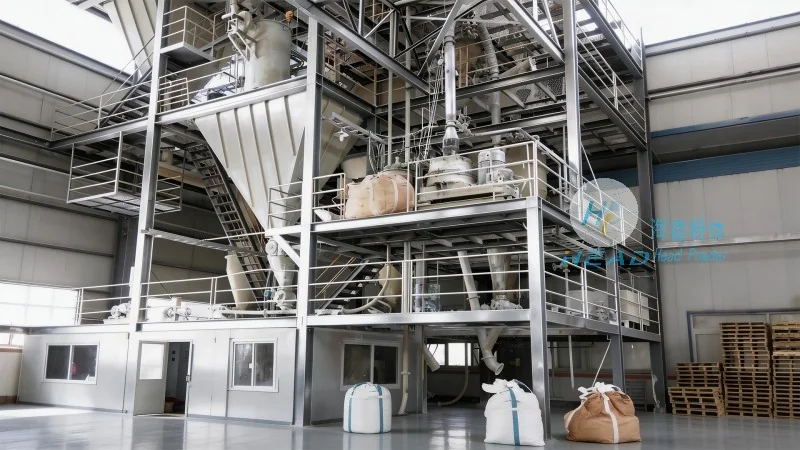
Key Working Scene Characteristics of Sulfur Tablet Pneumatic Conveying Lines
The operational environments where sulfur tablet pneumatic conveying lines are deployed exhibit distinct characteristics that influence system design and performance. These characteristics include the scale of material handling, the distance between the source and destination, the presence of other industrial processes, and the need for dust control or environmental compliance. For instance, in chemical manufacturing facilities, sulfur tablets may need to be transported from storage silos to processing units or from production lines to packaging areas. The conveying line must be integrated seamlessly with existing equipment to minimize downtime and ensure a continuous flow of material. Additionally, the working scene may involve varying ambient conditions, such as temperature fluctuations or humidity levels, which can affect the material's behavior and the system's efficiency. Another critical characteristic is the need for dust suppression and air filtration, as sulfur tablets can generate fine particulate matter during transport. The design of the conveying line often incorporates features like cyclone separators, filters, and dust collection systems to maintain air quality and comply with environmental regulations. Furthermore, the working scene may require flexibility in the conveying path, allowing for changes in the material flow direction or the addition of new destinations as production needs evolve. This adaptability is achieved through modular components and adjustable valves within the system.
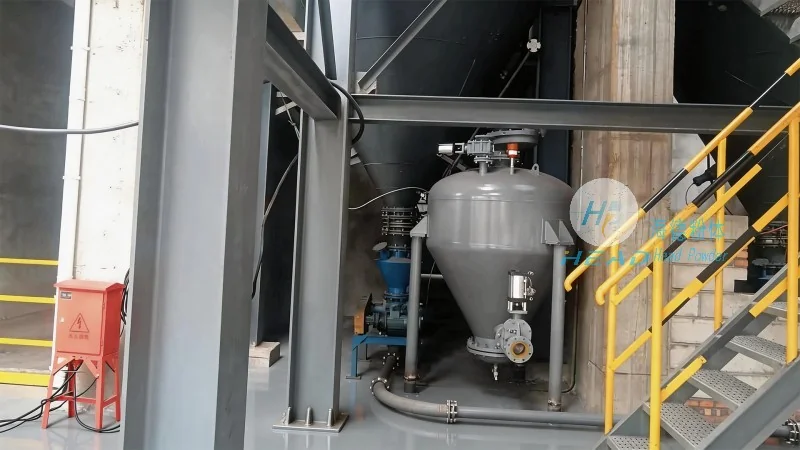
Application Scenarios and Industry Integration
Sulfur tablet material pneumatic conveying lines are widely used in various industrial sectors, including chemical manufacturing, pharmaceutical production, and agricultural processing. In chemical plants, these systems are essential for transporting sulfur tablets from storage to reactors or from reactors to downstream processing units. The efficiency of the conveying line directly impacts the overall production throughput and cost-effectiveness of the operation. Similarly, in pharmaceutical facilities, the use of pneumatic conveying ensures a hygienic and contamination-free transfer of sulfur tablets, which is critical for maintaining product quality and regulatory compliance. The working scene in these industries often involves high-volume material handling, requiring robust and reliable conveying systems that can operate continuously without frequent maintenance or breakdowns. The characteristics of the working scene, such as the need for precise control over material flow and the integration with automated processes, drive the design of advanced pneumatic conveying solutions. For example, in chemical manufacturing, the conveying line may be integrated with process control systems to monitor flow rates, pressure, and material levels in real-time. This integration enhances operational efficiency and allows for quick adjustments to meet changing production demands. Additionally, the working scene may involve the handling of other materials alongside sulfur tablets, necessitating the use of multi-material conveying systems that can separate and transport different products without cross-contamination. The design of such systems requires careful consideration of material compatibility and the selection of appropriate components to ensure safe and efficient operation.
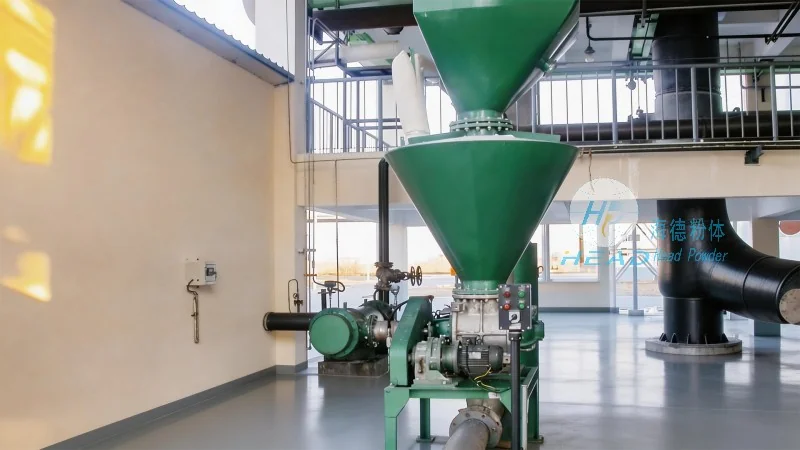
Conclusion and Company Overview
HeadPowder Engineering Co., Ltd. leverages its expertise in material handling technology to provide customized pneumatic conveying solutions for sulfur tablet applications. By understanding the unique principles of pneumatic conveying and the specific characteristics of working environments, the company designs systems that optimize material transport efficiency, reduce operational costs, and ensure compliance with industry standards. The working scene characteristics, including scale, integration with existing processes, and environmental considerations, are carefully addressed in the system design to deliver reliable and effective solutions. As a leading provider of engineering services in China, HeadPowder Engineering Co., Ltd. is committed to delivering high-quality, durable, and efficient pneumatic conveying lines that meet the diverse needs of its clients in the chemical, pharmaceutical, and related industries. The company's focus on innovation and customer-centric solutions ensures that its products and services continue to meet the evolving demands of modern industrial operations.