

Principles and Working Scene Characteristics of Material Handling for Lithium-Ion Battery Nanomateri
Material handling for lithium-ion battery nanomaterials is a critical process in the production of modern energy storage devices. As the demand for high-performance batteries grows, the efficient and precise transport of nanomaterials such as cathode active materials, anode materials, and conductive additives becomes increasingly important. This article explores the fundamental principles behind material handling systems for these specialized materials and highlights key characteristics of their application in real-world manufacturing environments.
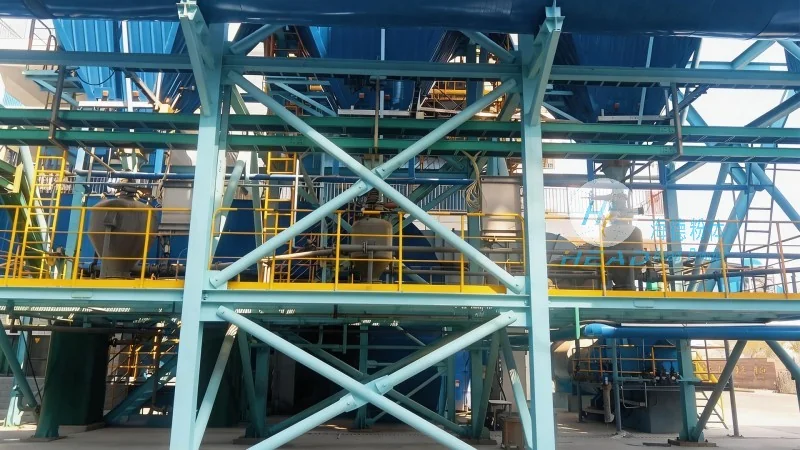
Core Principles of Material Handling Systems for Lithium-Ion Battery Nanomaterials
The material handling of lithium-ion battery nanomaterials relies on several core principles to ensure optimal performance and product quality. First, automation and precision control are paramount. Advanced systems use sensors, robotics, and automated guided vehicles (AGVs) to move nanomaterials with minimal human intervention, reducing the risk of contamination and ensuring consistent delivery to production lines. Second, contamination control is a critical principle. Nanomaterials are highly sensitive to impurities, so handling systems must maintain a clean environment, often incorporating dust filtration, sealed containers, and sterile processing areas. Third, scalability and adaptability are essential. Modern material handling solutions are designed to accommodate varying production volumes and material types, allowing manufacturers to adjust their operations as technology evolves. These principles collectively form the foundation of effective material handling for lithium-ion battery nanomaterials, enabling manufacturers to meet stringent quality standards and production demands.
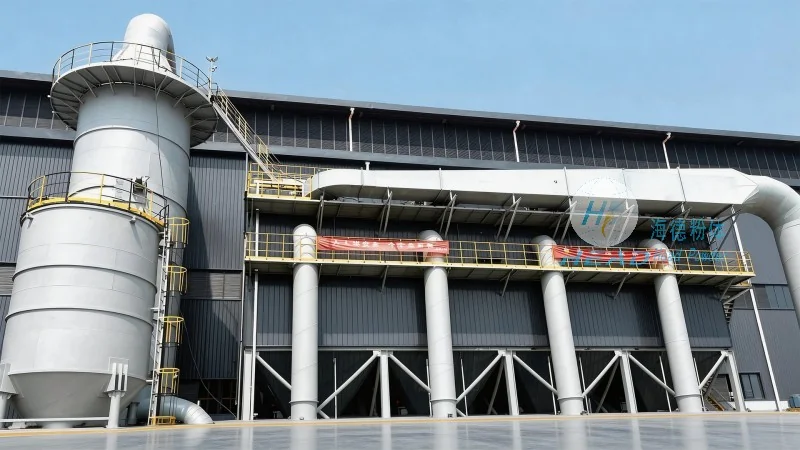
Working Scene Characteristics in Lithium-Ion Battery Production
The working scenes where material handling for lithium-ion battery nanomaterials is applied are diverse and highly specialized. In cathode production, for example, nanomaterials like lithium cobalt oxide (LCO) or lithium nickel manganese cobalt oxide (NMC) are transported from storage silos to mixing and coating lines. The systems must handle fine powders with high precision, often using pneumatic conveying or enclosed screw conveyors to prevent particle loss and contamination. In anode production, materials such as graphite or silicon-based nanomaterials are similarly processed, requiring careful control over moisture and temperature to maintain material integrity. During the battery assembly stage, conductive additives and binders are delivered to the cell formation lines, where they are integrated into the electrode structures. The working scenes also include quality control checkpoints, where material handling systems transport samples for analysis, ensuring that only compliant materials proceed to the next stage. Each of these scenarios demands tailored material handling solutions that address the unique challenges of the nanomaterials and the production environment.
Company Profile: Shandong HeadPowder Engineering Co., Ltd.
Shandong HeadPowder Engineering Co., Ltd. is a leading provider of material handling solutions tailored for the lithium-ion battery industry. With a focus on innovation and precision, the company specializes in designing and manufacturing systems that meet the stringent requirements of nanomaterial processing. HeadPowder operates from its headquarters in Shandong, China, where it leverages local expertise and advanced manufacturing capabilities to deliver high-quality equipment. The company’s solutions include automated conveying systems, dust control technologies, and integrated material handling platforms that enhance efficiency and safety in battery production facilities. By partnering with HeadPowder, manufacturers can ensure that their nanomaterial handling processes are optimized for performance, reliability, and compliance with industry standards. The company’s commitment to customer needs and technological advancement makes it a trusted partner in the battery manufacturing sector.
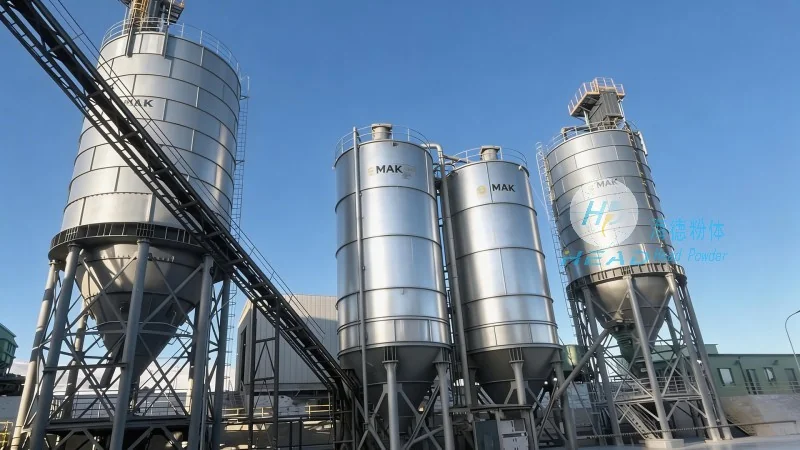
Technical Advantages of Material Handling Solutions for Nanomaterials
HeadPowder’s material handling solutions for lithium-ion battery nanomaterials offer several technical advantages that set them apart in the industry. One key advantage is the integration of advanced sensors and real-time monitoring systems. These technologies allow for continuous tracking of material flow, enabling immediate detection of issues such as blockages or contamination, which can be addressed before they impact production. Another advantage is the use of enclosed and sealed handling equipment, which minimizes exposure to environmental factors and reduces the risk of cross-contamination between different material batches. This is particularly important for nanomaterials, where even trace impurities can affect battery performance. Additionally, the systems are designed for high throughput and low maintenance, ensuring that production lines operate efficiently without frequent downtime. The combination of these technical features makes HeadPowder’s material handling solutions a reliable choice for manufacturers seeking to enhance their nanomaterial processing capabilities and improve overall production outcomes.