

Principles and Working Scene Characteristics of Catalyst Powder Material Handling
Efficient and reliable material handling is a critical aspect of industrial operations, especially when dealing with catalyst powders. The proper understanding of material transport principles and the characteristics of different working environments is essential for optimizing processes and ensuring safety. This article explores the fundamental principles behind catalyst powder material handling and highlights the key characteristics of various operational scenarios.
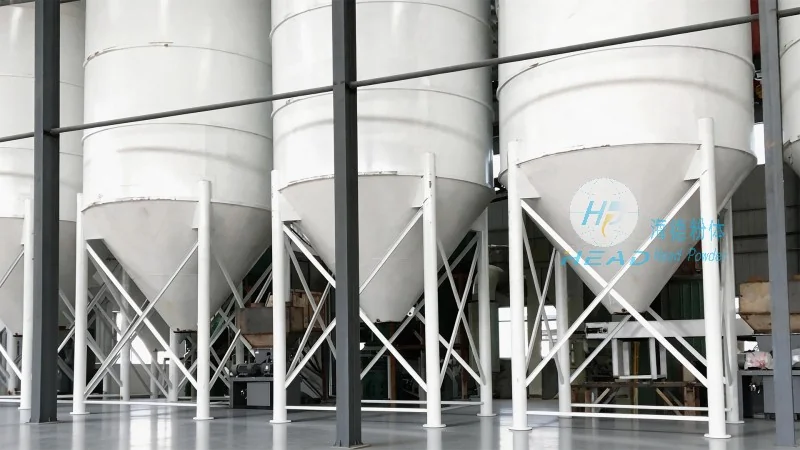
Introduction to Catalyst Powder Material Handling
Catalyst powders are widely used in chemical, petrochemical, and pharmaceutical industries due to their role in facilitating chemical reactions. The efficient transport of these powders from one point to another is crucial for maintaining production efficiency and product quality. Material handling systems for catalyst powders must address challenges such as dust control, material flow consistency, and equipment durability, given the nature of these fine particles.
Core Principles of Catalyst Powder Material Handling
The primary principles governing catalyst powder material handling revolve around the selection of appropriate transport methods and the design of systems that ensure stable and controlled flow. Two main categories of material handling techniques are commonly employed: mechanical and pneumatic systems. Mechanical systems, including screw conveyors, belt conveyors, and bucket elevators, rely on physical force to move materials. These systems are often preferred for bulk material transport and can handle a wide range of particle sizes and densities. Pneumatic systems, on the other hand, utilize air or other gases to transport powders through pipelines. This method is particularly effective for handling fine powders and can achieve high levels of dust containment, making it suitable for applications where air quality is a concern.
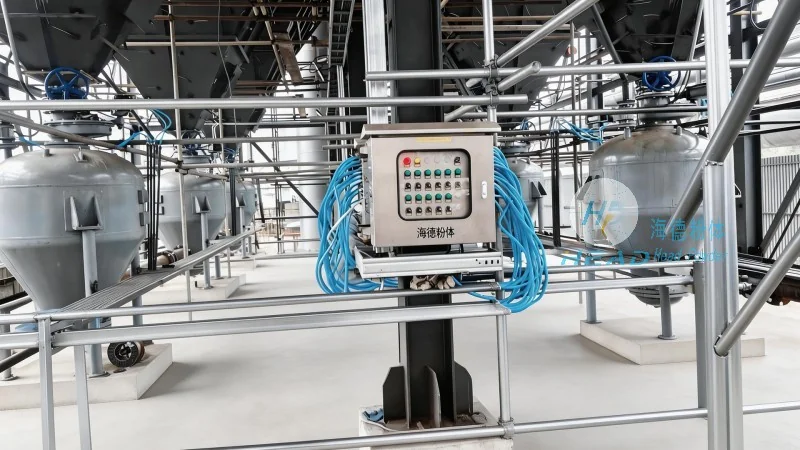
Working Scene Characteristics of Catalyst Powder Handling
The characteristics of the working environment significantly influence the choice of material handling equipment and the overall system design. Industrial settings vary widely, from large-scale manufacturing plants to smaller laboratory-scale operations, each presenting unique challenges and requirements. In large-scale production facilities, the focus is often on high throughput and continuous operation. The material handling systems in such environments must be capable of handling large volumes of catalyst powders at a consistent rate, with minimal downtime for maintenance. This typically involves the use of robust mechanical conveyors and automated feeding systems to ensure smooth and uninterrupted material flow.
In contrast, laboratory or pilot-scale operations may require more precise control over material transport. These settings often involve smaller quantities of catalyst powders and demand higher accuracy in dosing and mixing. The material handling equipment used in such scenarios may include precision feeders, rotary valves, and specialized pneumatic transport lines. The working environment in these cases is characterized by a need for cleanliness and precision, as even small variations in powder flow can impact experimental results or product quality.
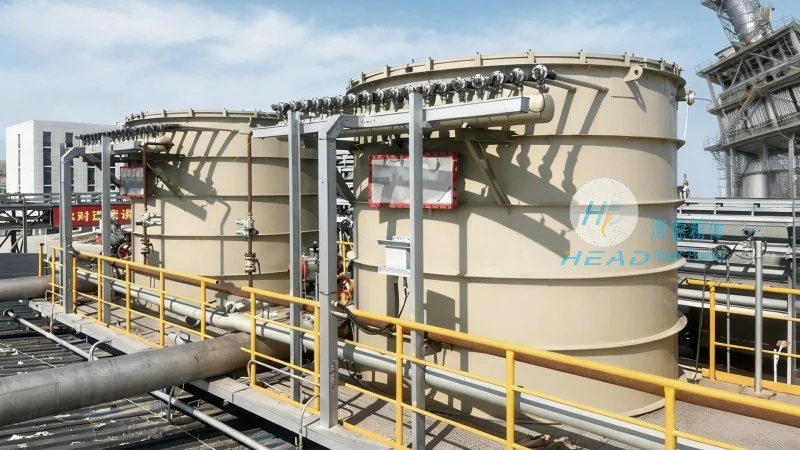
Application Scenarios and System Design Considerations
The specific application scenarios for catalyst powder material handling further dictate the system design and operational parameters. For instance, in chemical synthesis processes, catalyst powders are often added to reactors in controlled quantities to initiate or accelerate reactions. The material handling system must be integrated with the reactor control system to ensure precise dosing and timing. This integration may involve automated feeding mechanisms and real-time monitoring of material flow rates. Similarly, in pharmaceutical manufacturing, the handling of catalyst powders must adhere to stringent regulatory standards regarding purity and contamination. The material handling systems in such environments are designed to minimize cross-contamination and ensure that the powders remain within specified particle size ranges.
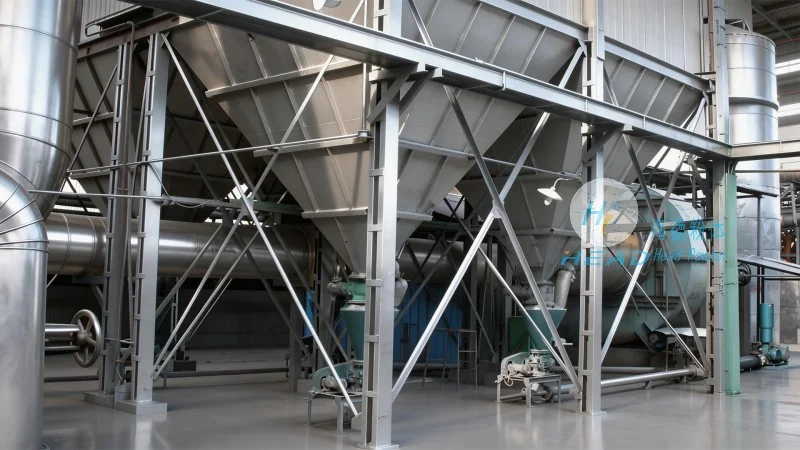
Role of HeadPowder in Catalyst Powder Material Handling
Shandong HeadPowder Engineering Co., Ltd. specializes in providing advanced material handling solutions tailored to the unique needs of catalyst powder applications. With a focus on innovation and customer-centric design, HeadPowder offers a range of equipment and systems that address the challenges of transporting fine powders efficiently and safely. The company’s expertise lies in the integration of mechanical and pneumatic technologies to create customized material handling solutions that meet the specific requirements of industrial clients. By leveraging years of experience in the field, HeadPowder ensures that its systems are not only effective but also durable and low-maintenance, contributing to the overall efficiency of industrial operations.
Conclusion
In conclusion, the principles and working scene characteristics of catalyst powder material handling are critical factors in optimizing industrial processes. The selection of appropriate material handling methods, consideration of operational environment, and integration of advanced technologies are all essential for achieving efficient and reliable transport of catalyst powders. Companies like Shandong HeadPowder Engineering Co., Ltd. play a vital role in developing and implementing these solutions, helping industries maintain high standards of productivity and safety in their material handling operations.