

Principles and Working Scene Characteristics of Cement Auxiliary Material Conveying
Cement production and processing heavily rely on the efficient transportation of auxiliary materials, such as limestone, clay, iron ore, and gypsum. Proper handling of these raw materials is crucial for maintaining consistent product quality and optimizing production efficiency. This article explores the fundamental principles behind cement auxiliary material conveying systems and highlights the key characteristics of their operational environments.
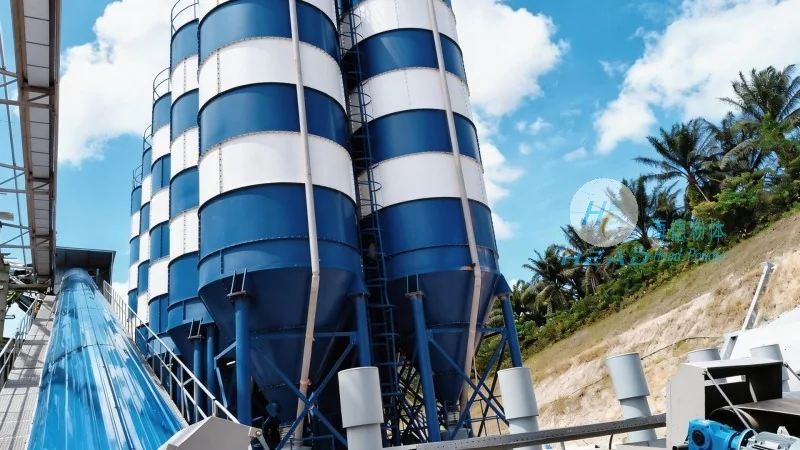
Principles of Material Conveying in Cement Manufacturing
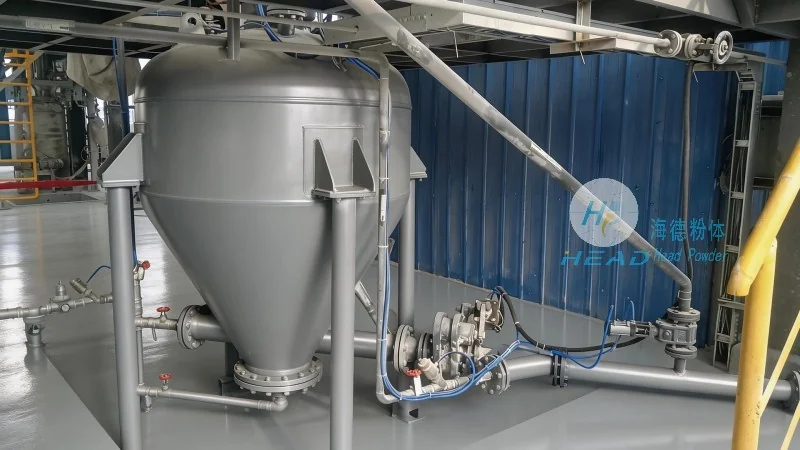
The core principles of cement auxiliary material conveying involve using mechanical equipment to transport bulk materials from storage or processing areas to the cement mill. Key components typically include feeders, conveyors (like belt conveyors, screw conveyors, and pneumatic systems), and control mechanisms that ensure smooth, continuous flow. The selection of the appropriate conveying method depends on factors like material properties, particle size, moisture content, and required throughput. For example, belt conveyors are widely used for dry, free-flowing materials due to their high capacity and low maintenance, while screw conveyors are suitable for handling sticky or semi-solid materials. Pneumatic conveying systems, on the other hand, are ideal for fine powders and require precise control of air pressure and flow rates to prevent material degradation or blockages.
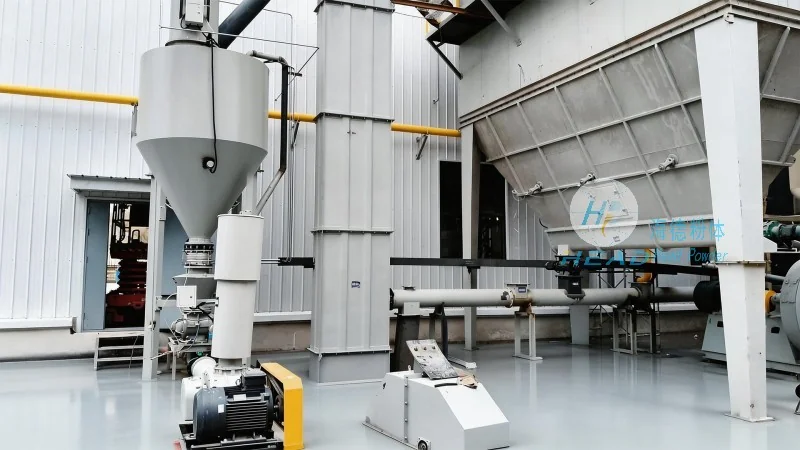
Working Scene Characteristics of Cement Auxiliary Material Conveying
The operational environments for cement auxiliary material conveying systems are characterized by high-volume, continuous production processes. These systems are typically integrated into large-scale industrial facilities, where raw materials are sourced from quarries or mines and transported to the cement plant. The working scenes often involve heavy-duty equipment operating in harsh conditions, including dust, noise, and varying temperatures. Safety is a critical consideration, as these systems handle large quantities of bulk materials and require robust engineering to prevent accidents. Additionally, the systems must be designed for easy maintenance and cleaning to minimize downtime and ensure long-term reliability. The layout of the conveying system is also influenced by the plant's infrastructure, with considerations for space constraints, material flow direction, and integration with other processing units.
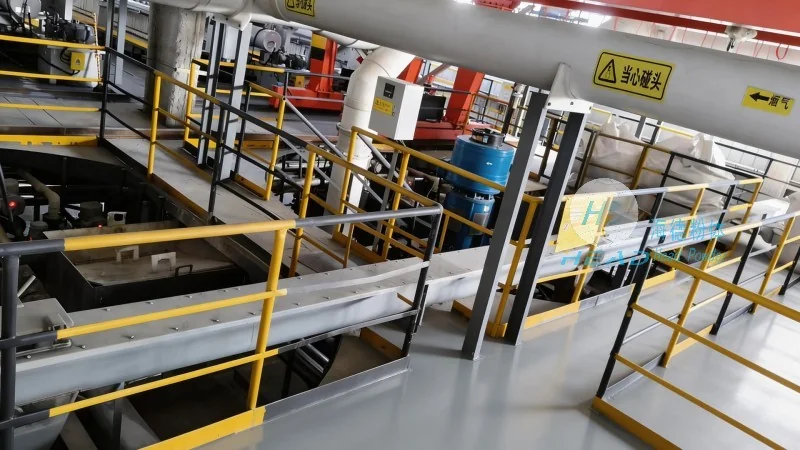
HeadPowder's Expertise in Cement Auxiliary Material Conveying Solutions
Shandong HeadPowder Engineering Co., Ltd. specializes in providing comprehensive solutions for cement auxiliary material conveying. With a focus on innovation and quality, HeadPowder designs and manufactures equipment tailored to the specific needs of cement manufacturers. The company's product line includes a range of conveying systems, such as high-capacity belt conveyors, robust screw conveyors, and advanced pneumatic conveying units. Each system is engineered to meet the unique challenges of cement production, ensuring efficient material transport while maintaining product integrity. HeadPowder's team of engineers and technicians work closely with clients to assess their operational requirements and develop customized solutions that enhance productivity and reduce operational costs. The company's commitment to excellence is reflected in its adherence to international standards and rigorous quality control processes.
Key Features and Benefits of Cement Auxiliary Material Conveying Systems
Effective cement auxiliary material conveying systems offer several key features and benefits. Firstly, they enable high throughput and consistent material flow, which is essential for maintaining production schedules and meeting demand. Secondly, these systems help minimize material loss and contamination, ensuring that the raw materials used in cement production are of the highest quality. Thirdly, the use of automated control systems allows for precise monitoring and adjustment of conveying parameters, reducing the risk of operational errors. Additionally, modern conveying systems are designed to be energy-efficient, helping to lower operational costs and reduce the environmental impact of cement production. The durability and reliability of these systems are also critical, as they must withstand the harsh conditions of industrial environments and provide long-term service life.
Conclusion
In conclusion, the principles and working scene characteristics of cement auxiliary material conveying systems play a vital role in the efficiency and quality of cement production. By understanding these principles and leveraging advanced conveying technologies, cement manufacturers can optimize their operations and achieve better results. Shandong HeadPowder Engineering Co., Ltd. stands as a trusted partner in providing reliable and efficient conveying solutions for the cement industry, helping clients enhance their productivity and maintain competitive advantages in the market.