

Principle and Working Scene Characteristics of Calcined Gypsum Powder Conveying System Equipment
HeadPowder, a leading enterprise in the field of powder handling technology, specializes in the design, manufacturing, and supply of advanced conveying systems for industrial applications. This article delves into the core principles and operational characteristics of calcined gypsum powder conveying systems, highlighting how these systems enhance efficiency and reliability in material transport within industrial settings.
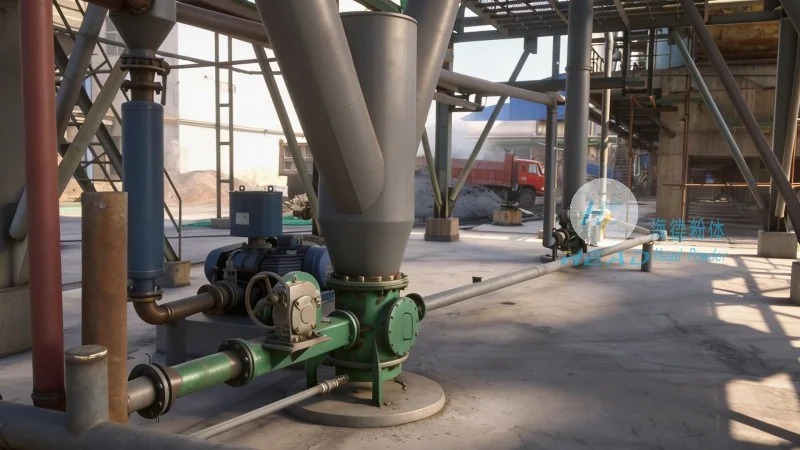
Company Profile and Background
Shandong HeadPowder Engineering Co., Ltd., commonly known as HeadPowder, is headquartered in Shandong, China. With years of experience in the engineering and manufacturing of powder handling equipment, the company has established itself as a trusted provider of solutions tailored to the needs of various industries. HeadPowder's commitment to innovation and quality ensures that its products meet the highest standards of performance and durability, making them suitable for demanding industrial environments.
The Principle of Calcined Gypsum Powder Conveying Systems
Calcined gypsum, also known as plaster of Paris, is a widely used industrial material in construction, pharmaceuticals, and other sectors. The conveying system for this material must address specific challenges such as dust generation, material moisture content, and the need for gentle handling to preserve the material's quality. The core principle of a calcined gypsum powder conveying system involves the use of specialized equipment designed to transport the material from a source to a destination while maintaining its integrity and preventing degradation.
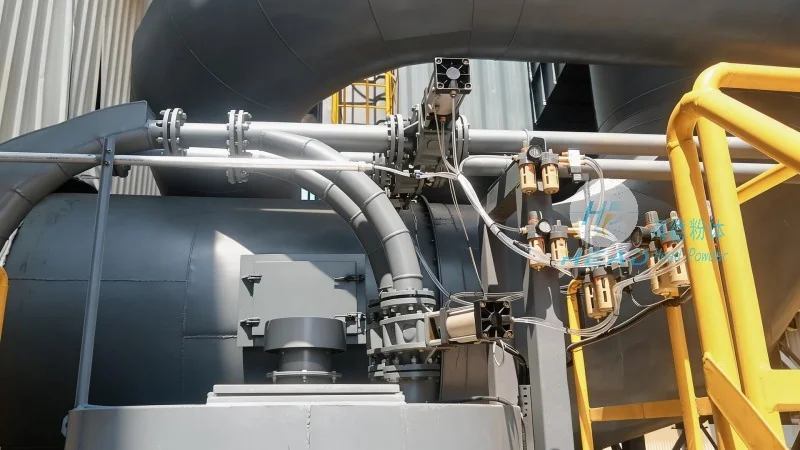
Key components of these systems typically include feeders, conveyors (such as screw conveyors or pneumatic conveyors), and control mechanisms. The feeders ensure a consistent flow of material into the system, while the conveyors transport it through pipelines or open channels. Pneumatic conveying systems, in particular, are often preferred for calcined gypsum due to their ability to handle fine powders with minimal dust and the capacity to maintain a controlled environment. The system's design takes into account factors like material density, flowability, and the need for low maintenance, ensuring optimal performance over time.
Working Scene Characteristics and Applications
The working scene characteristics of calcined gypsum powder conveying systems are tailored to the specific requirements of industrial processes. In construction applications, these systems are used to transport gypsum for wallboard production, ensuring a steady supply of raw material to manufacturing lines. The systems are designed to handle large volumes of material efficiently, with features like adjustable speed control and automatic shut-off mechanisms to prevent overloading or material blockages.
In pharmaceutical and chemical industries, the conveying systems must adhere to stringent hygiene and safety standards. The equipment is constructed from materials that are resistant to corrosion and easy to clean, minimizing the risk of contamination. The systems often include dust collection and filtration components to maintain a clean working environment and comply with regulatory requirements. Additionally, the ability to handle varying particle sizes and moisture levels makes these systems versatile for different production stages.
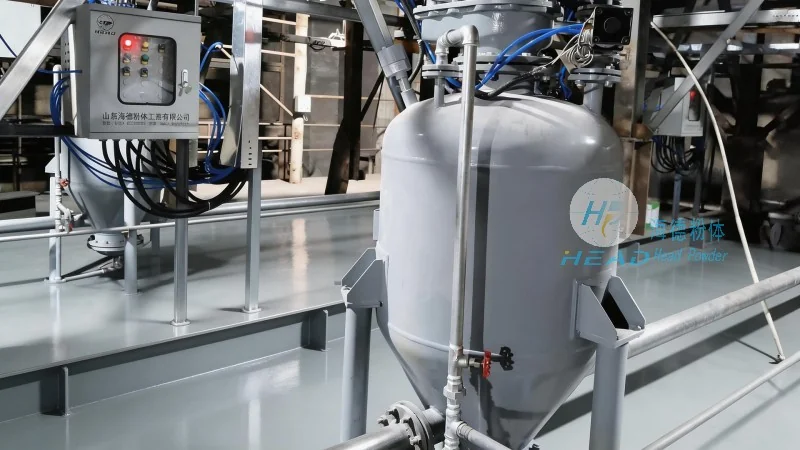
Another key characteristic is the adaptability of the conveying systems to different operational conditions. They can be integrated into existing production lines or used as standalone units, depending on the specific needs of the facility. The systems are designed for easy maintenance, with accessible components that allow for quick repairs and replacements, reducing downtime and increasing overall productivity. The use of advanced control systems also enables real-time monitoring of the conveying process, allowing operators to adjust parameters as needed to optimize performance.
Advantages and Performance Metrics
Calcined gypsum powder conveying systems offer several advantages that make them indispensable in industrial operations. One of the primary benefits is the reduction in labor costs associated with manual handling of powders, as the automated systems handle the material transport efficiently. The systems also minimize material loss and contamination, which is crucial for maintaining product quality and meeting regulatory standards.
Performance metrics such as conveying capacity, material flow rate, and system efficiency are critical in evaluating the effectiveness of these systems. HeadPowder's systems are engineered to achieve high conveying capacities, often ranging from several tons per hour to more than 100 tons per hour, depending on the specific application. The systems are designed to maintain a consistent flow rate, ensuring that production processes are not interrupted by material shortages or surpluses.
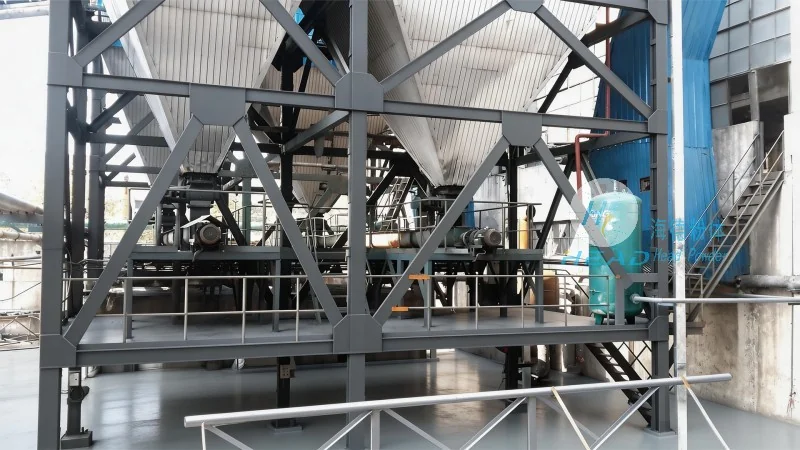
The reliability of the conveying systems is another key factor. With robust construction and advanced control mechanisms, these systems operate with minimal downtime, contributing to increased overall equipment effectiveness (OEE). The use of durable materials and regular maintenance schedules further enhances the longevity of the equipment, reducing the total cost of ownership over the system's lifespan.
Conclusion
Calcined gypsum powder conveying systems, as exemplified by the solutions offered by Shandong HeadPowder Engineering Co., Ltd., represent a sophisticated approach to material handling in industrial settings. By understanding the principles of these systems and their working scene characteristics, industries can optimize their operations, improve efficiency, and maintain product quality. The adaptability, reliability, and performance of these systems make them a valuable asset for any facility dealing with calcined gypsum, ensuring smooth and efficient material transport throughout the production process.