

Principle and Working Scene Characteristics of Ship Loading and Unloading Pneumatic Conveying Equipm
Ship loading and unloading pneumatic conveying equipment is a critical industrial solution designed to efficiently transport bulk materials between ships and shore facilities. This equipment operates by utilizing air pressure to move materials, offering a flexible and efficient method for handling various bulk goods in maritime operations.
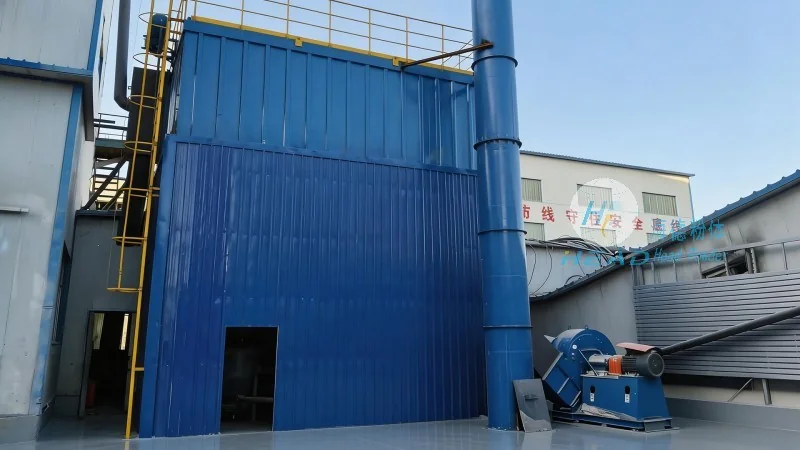
Working Principle of Pneumatic Conveying Systems
The core principle of pneumatic conveying involves the use of compressed air or vacuum to transport bulk materials through a pipeline system. In the context of ship loading and unloading, these systems typically employ positive pressure or negative pressure methods. Positive pressure systems generate air pressure at the material inlet, pushing the material forward through the pipeline. Negative pressure systems, on the other hand, create a vacuum at the discharge end, drawing material into the pipeline. Both methods are engineered to handle different material characteristics and operational requirements, ensuring reliable material transfer in demanding maritime environments. The system's design includes components such as air compressors, material feeders, and pipeline networks, all working in tandem to maintain consistent material flow and pressure levels. This integrated approach allows for precise control over the conveying process, adapting to variations in material density, particle size, and moisture content.
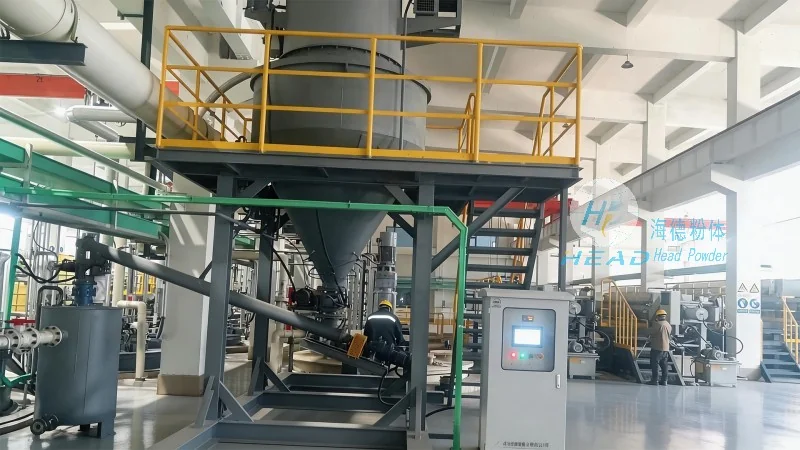
Key Features and Advantages in Ship Loading and Unloading Scenarios
When applied to ship loading and unloading operations, pneumatic conveying equipment offers several distinct advantages. Firstly, it enables high-volume material handling with minimal labor, making it ideal for large-scale bulk cargo transfers. The technology also provides excellent dust control and containment, reducing environmental impact and improving workplace safety. Additionally, pneumatic systems are capable of transporting materials over long distances and through complex layouts, which is essential for port infrastructure where space and layout constraints are common. The equipment's ability to handle a wide range of materials, from fine powders to granular substances, further enhances its versatility in maritime applications. Moreover, the system's compact design allows for installation in confined spaces, optimizing port facility utilization. These features collectively contribute to increased operational efficiency and reduced downtime in ship loading and unloading processes.
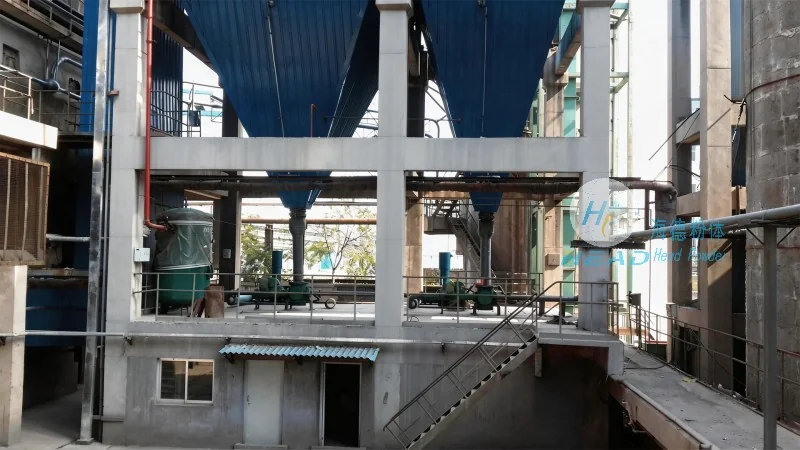
Typical Working Scenes and Applications
Ship loading and unloading pneumatic conveying systems are commonly used in various port operations. For instance, in bulk cargo terminals, these systems facilitate the transfer of materials such as coal, grain, and minerals from ships to storage silos or processing facilities. In container ports, they may be employed to move materials like cement or aggregates to loading areas. The equipment is also utilized in specialized operations, including the handling of hazardous materials or sensitive products that require strict contamination control. Each application leverages the equipment's ability to maintain material integrity and operational efficiency, ensuring smooth and reliable cargo handling processes. In scenarios involving multiple vessels or simultaneous cargo transfers, the system's modular design allows for flexible configuration, enabling efficient management of high traffic volumes. This adaptability is crucial for modern ports that must handle increasing volumes of cargo while maintaining operational standards.
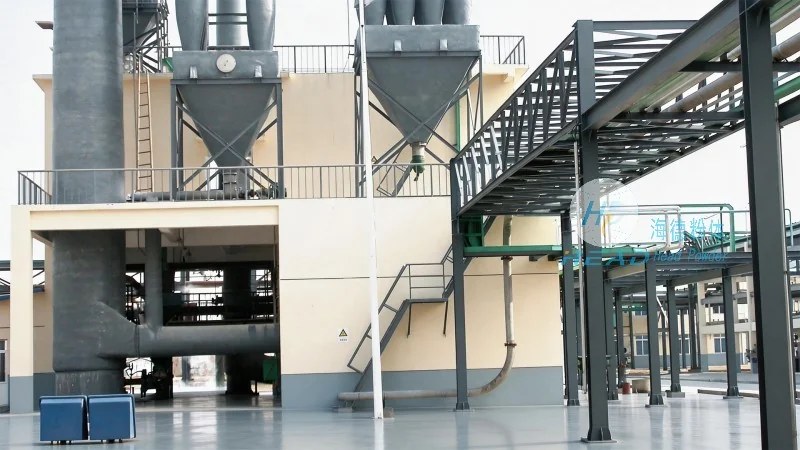
About Shandong HeadPowder Engineering Co., Ltd.
HeadPowder, a leading manufacturer based in Shandong, China, specializes in the design, development, and production of advanced pneumatic conveying equipment. With years of industry experience, the company focuses on delivering high-quality solutions tailored to the unique needs of maritime and industrial sectors. HeadPowder's products are engineered to meet international standards, ensuring durability, reliability, and performance in demanding operational environments. The company's commitment to innovation and customer satisfaction has established it as a trusted partner for businesses seeking efficient and effective material handling solutions. HeadPowder's research and development team continuously optimizes equipment designs to incorporate the latest technological advancements, such as energy-efficient air compressors and intelligent control systems. These innovations enhance the overall performance and reduce operational costs for clients. The company also provides comprehensive after-sales support, including installation, maintenance, and technical assistance, ensuring that customers receive long-term value from their investments in pneumatic conveying systems.