

Principle and Application Scenarios of Foam Pneumatic Conveying Equipment
Foam pneumatic conveying equipment represents a sophisticated technology in material handling, designed to transport bulk materials efficiently through a pressurized air system. The core principle involves the creation of a foam medium, which is a mixture of air and liquid, typically water, that enhances the conveying capability by increasing the material's suspension and reducing particle separation. This method is particularly effective for handling fine powders and granular materials that are prone to caking or bridging in traditional pneumatic systems. The equipment operates by injecting air into a liquid stream, forming bubbles that attach to the particles, allowing them to be transported over long distances with minimal degradation.
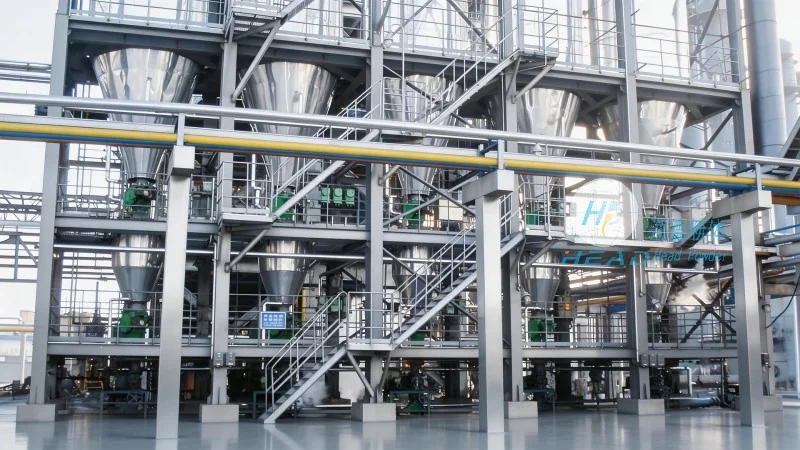
How Foam Pneumatic Conveying Works: A Technical Overview
At the heart of foam pneumatic conveying is the generation of a stable foam structure. The process begins with a liquid, often water, being pumped into a mixing chamber where compressed air is introduced. The air is dispersed as fine bubbles within the liquid, creating a lightweight, buoyant foam. This foam then carries the dry material particles, which are introduced into the system at the feed point. The foam's high surface area and low density enable it to lift and transport the particles through the pipeline. The system typically includes components such as a foam generator, a material feed hopper, and a conveying line, all working in tandem to ensure consistent and reliable material transport. The pressure within the system is carefully controlled to maintain foam stability and prevent collapse, which could lead to material loss or system inefficiency.
Key Advantages and Application Scenarios
Foam pneumatic conveying offers several advantages over conventional pneumatic conveying methods. One of the primary benefits is its ability to handle highly fine or cohesive powders without the need for additional additives or pre-treatment. The foam acts as a lubricant and suspending agent, reducing friction and preventing particle agglomeration. This makes it ideal for applications involving sensitive materials, such as pharmaceuticals, food products, or chemicals that require strict contamination control. Additionally, the system can handle a wide range of particle sizes and moisture contents, making it versatile for various industrial processes.
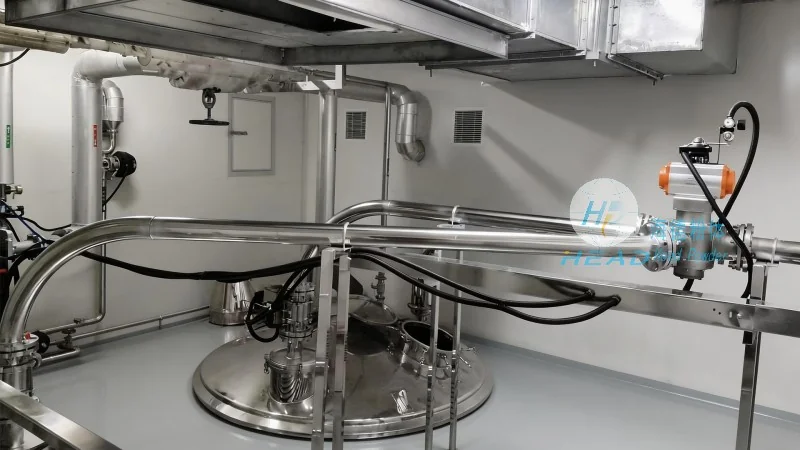
Common Work Scenarios and Industries
The application scenarios for foam pneumatic conveying are diverse and span multiple industries. In the pharmaceutical sector, it is used for transporting active pharmaceutical ingredients (APIs) and excipients, ensuring that the materials remain dry and free from contamination during transport. In the food industry, it is employed for handling powders like flour, sugar, or spices, maintaining product quality and hygiene standards. The chemical industry utilizes this technology for transporting fine chemicals, such as pigments or catalysts, where precise control over particle size and moisture is critical. Furthermore, in the mining and mineral processing industry, foam pneumatic conveying is used to transport ore powders from processing plants to storage or further treatment facilities. The equipment's ability to handle long-distance transport without significant pressure drop makes it suitable for large-scale operations.
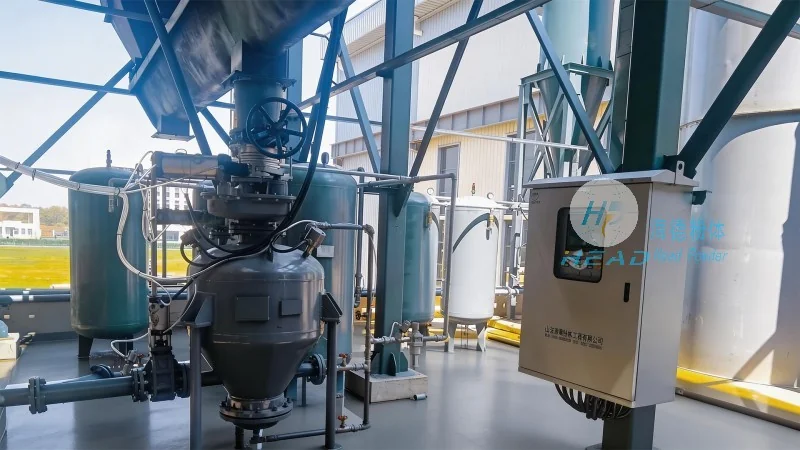
Operational Considerations and Maintenance
While foam pneumatic conveying is highly effective, proper operation and maintenance are essential to ensure optimal performance. Regular monitoring of foam stability and pressure is crucial to prevent system failures. The foam generator and air compressor must be maintained to ensure consistent air and liquid flow. Additionally, the conveying line should be checked for any blockages or leaks, as these can affect the system's efficiency. The use of appropriate filters and separators at the discharge end helps to remove excess liquid and foam, preventing wetting of the material and ensuring it is delivered in the desired dry state.
Conclusion: The Role of HeadPowder in Foam Pneumatic Conveying Solutions
For businesses seeking reliable and efficient material handling solutions, foam pneumatic conveying equipment from Shandong HeadPowder Engineering Co., Ltd. provides a robust and versatile option. With a focus on advanced technology and tailored solutions, HeadPowder's equipment is designed to meet the specific needs of various industries, ensuring high-quality material transport while maintaining cost-effectiveness. The company's expertise in foam generation and system integration ensures that clients receive equipment that is both efficient and durable, supporting their operational goals. By leveraging the principles of foam technology, HeadPowder's solutions help industries improve productivity, reduce material loss, and enhance overall process reliability.