

Principle and Working Scene Characteristics of Gelatin Pneumatic Conveying Equipment
HeadPowder, a leading engineering company based in Shandong, China, specializes in the design and manufacturing of advanced pneumatic conveying systems tailored for gelatin handling. This article explores the fundamental principles behind gelatin pneumatic conveying equipment and highlights the key characteristics of its operational environments.
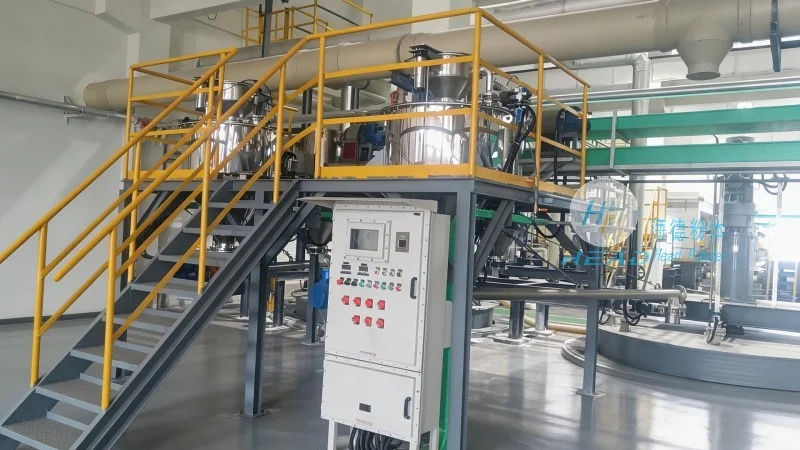
Understanding the Core Principles of Gelatin Pneumatic Conveying
Gelatin pneumatic conveying equipment operates on the principle of transporting bulk materials, such as gelatin powder, through a pipeline using compressed air or other gas streams. The system typically consists of a hopper for material storage, a rotary valve or feeder to control the flow rate, a conveying line, and a receiver for the discharged material. The primary mechanism involves creating a low-pressure zone in the conveying line, which draws the gelatin powder into the air stream, allowing it to be transported efficiently over long distances without the need for mechanical components like belts or screws.
The choice of conveying method—whether dense phase or dilute phase—depends on the specific properties of the gelatin, including its particle size, moisture content, and flowability. Dense phase conveying, for instance, uses higher air velocities to maintain a more compact material flow, reducing the risk of product degradation and minimizing pressure drop in the system. Dilute phase conveying, on the other hand, relies on lower air velocities and is suitable for lighter, more free-flowing gelatin powders. HeadPowder’s engineers carefully select the appropriate conveying technique based on the client's operational requirements and the physical characteristics of the gelatin being handled.
Key Working Scene Characteristics of Gelatin Pneumatic Conveying Equipment
The operational environments for gelatin pneumatic conveying systems are characterized by several critical factors that influence system performance and efficiency. Firstly, the system must be designed to handle the hygroscopic nature of gelatin, which can lead to caking or clumping if not properly managed. HeadPowder incorporates features such as heated hoppers and insulated conveying lines to maintain the gelatin at optimal temperatures, preventing moisture absorption and ensuring consistent flow.
Secondly, the equipment must be constructed from materials that are compatible with gelatin and resistant to corrosion or contamination. Stainless steel is commonly used for components that come into direct contact with the material, as it provides durability and maintains product purity. The system also includes filtration and cleaning mechanisms to prevent the buildup of gelatin residue, which is essential for maintaining hygiene standards in food processing applications.
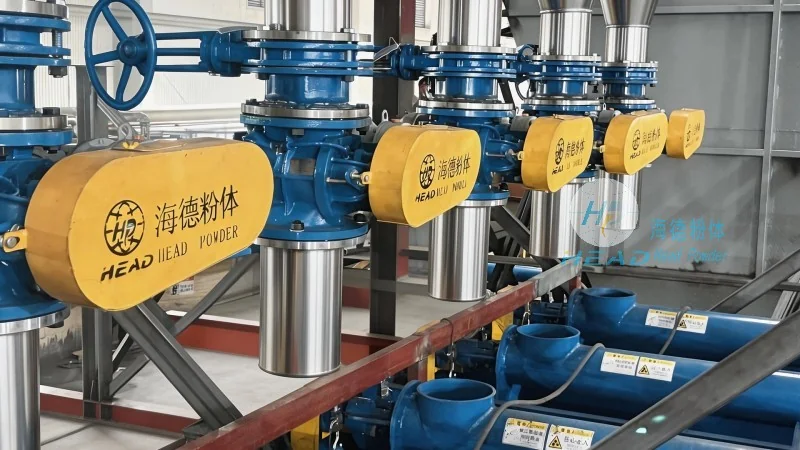
Thirdly, the working scene often involves integration with other processing equipment, such as mixing tanks or spray dryers, requiring seamless material transfer. HeadPowder’s systems are designed with modular components that allow for easy integration into existing production lines, minimizing downtime during installation and operation. This flexibility is particularly valuable in industries where production schedules are tight and operational efficiency is paramount.
Applications and Industry-Specific Considerations
Gelatin pneumatic conveying equipment is widely used in various industries, including food and beverage, pharmaceuticals, and cosmetics. In the food industry, for example, the equipment is employed to transport gelatin for use in confectionery, dairy products, and dietary supplements. The systems must adhere to strict regulatory standards, such as those set by the FDA, to ensure product safety and compliance. HeadPowder’s solutions are engineered to meet these requirements, with features like sanitary design and easy-to-clean surfaces that facilitate compliance with food safety regulations.
In the pharmaceutical sector, gelatin is used as a binding agent in tablets and capsules. The pneumatic conveying systems used here must maintain high levels of purity and prevent cross-contamination. The equipment is often equipped with closed-loop systems and automated controls to minimize human contact with the material, reducing the risk of contamination. HeadPowder’s expertise in customizing systems to meet industry-specific needs ensures that pharmaceutical manufacturers can achieve consistent quality and regulatory compliance.
In the cosmetics industry, gelatin is used in the production of lotions, creams, and other personal care products. The conveying systems for these applications must handle gelatin powders with varying particle sizes and moisture levels. The systems are designed to maintain the integrity of the gelatin, preventing agglomeration and ensuring uniform distribution in the final product. HeadPowder’s engineers work closely with clients to understand the specific requirements of each application, providing tailored solutions that enhance product quality and operational efficiency.
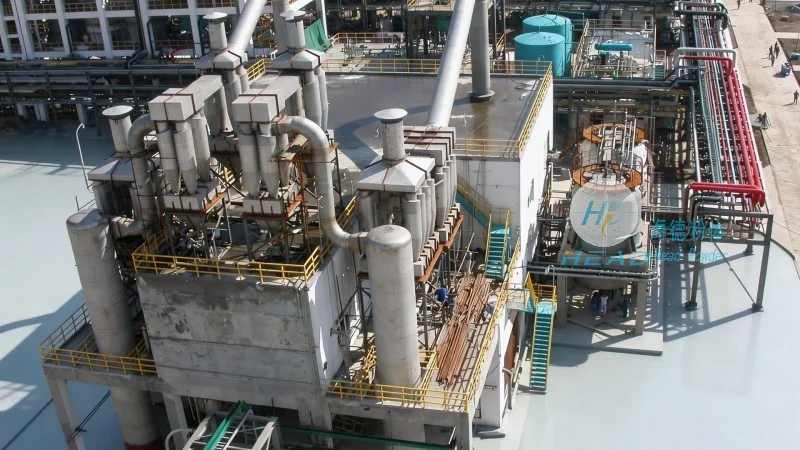
Advantages of Using Gelatin Pneumatic Conveying Equipment
Compared to traditional mechanical conveying methods, gelatin pneumatic conveying offers several advantages that make it a preferred choice for many industries. One of the key benefits is the ability to transport gelatin over long distances without the need for intermediate storage or handling. This reduces the risk of product degradation and minimizes the need for additional equipment, such as elevators or conveyors. The system also provides better control over the flow rate, allowing for precise dosing of gelatin into processing equipment.
Another advantage is the reduced risk of product contamination and cross-contamination. The enclosed nature of the pneumatic system prevents exposure to external elements, and the use of stainless steel components ensures that the gelatin remains free from contaminants. This is particularly important in industries where product purity is critical, such as food and pharmaceuticals. HeadPowder’s systems are designed with these advantages in mind, providing clients with reliable and efficient solutions that meet their operational needs.
The system also offers improved energy efficiency compared to mechanical conveying methods. By using compressed air as the primary transport medium, the equipment reduces the need for high-maintenance mechanical components, such as belts and gears. This not only lowers operational costs but also minimizes downtime due to equipment failure. HeadPowder’s commitment to energy-efficient design ensures that their gelatin pneumatic conveying systems provide long-term cost savings for clients.
Conclusion
Gelatin pneumatic conveying equipment, as developed by HeadPowder, represents a sophisticated solution for the efficient and safe handling of gelatin in various industrial applications. By understanding the core principles of pneumatic conveying and the specific characteristics of gelatin, HeadPowder’s engineers design systems that optimize performance, maintain product quality, and comply with industry regulations. The working scene characteristics, such as material handling, hygiene, and integration with other equipment, are carefully considered to ensure that the equipment meets the unique needs of each client. With its focus on innovation and customer-centric solutions, HeadPowder continues to be a leader in providing advanced pneumatic conveying systems for the gelatin industry.