

Principle and Working Scene Characteristics of Grass Material Pneumatic Conveying Equipment
Grass material pneumatic conveying equipment is a specialized system designed for the efficient and safe transportation of grass and related organic materials. This technology has become increasingly important in agricultural and processing industries, where the need to move bulk materials like grass efficiently while maintaining quality is paramount. The equipment operates by using air pressure to transport materials through a pipeline system, offering advantages such as reduced labor costs, improved hygiene, and the ability to handle materials in a dust-free environment.
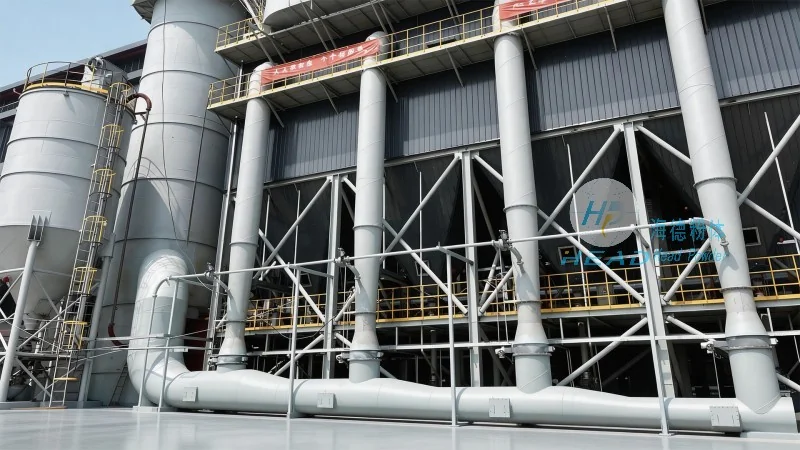
The Working Principle of Pneumatic Conveying Systems
The core principle of pneumatic conveying involves the use of a compressor to generate air flow within a closed pipeline network. As air is forced through the system, it picks up the grass material and transports it from the source to the destination. There are two main types of pneumatic conveying systems: dilute-phase and dense-phase. Dilute-phase systems use high air velocities to move materials in a relatively low concentration, suitable for short distances and low material loads. Dense-phase systems, on the other hand, operate at lower air velocities with higher material concentrations, making them ideal for longer distances and more challenging material handling scenarios. The choice between these systems depends on factors such as the material's properties, the distance to be covered, and the required flow rate.
Key Components of Grass Material Pneumatic Conveying Equipment
HeadPowder, a leading manufacturer based in Shandong, China, provides comprehensive solutions for grass material pneumatic conveying. The equipment typically includes several key components: a material hopper for storing and feeding the grass, a rotary valve or feeder to control the material flow, a compressor or blower to generate the necessary air pressure, a pipeline system for transporting the material, and a receiver or discharge unit at the end of the system. Each component plays a critical role in ensuring the smooth operation of the entire conveying process. The material hopper is designed to hold a sufficient quantity of grass, preventing interruptions in the feeding process. The rotary valve or feeder regulates the amount of material entering the pipeline, maintaining a consistent flow rate. The compressor or blower provides the required air pressure, which is crucial for moving the material through the system. The pipeline system is constructed from durable materials, such as stainless steel or PVC, to withstand the abrasive nature of grass and prevent blockages. The receiver or discharge unit collects the material at the end of the pipeline, ensuring it is delivered to the intended location without spillage or loss.
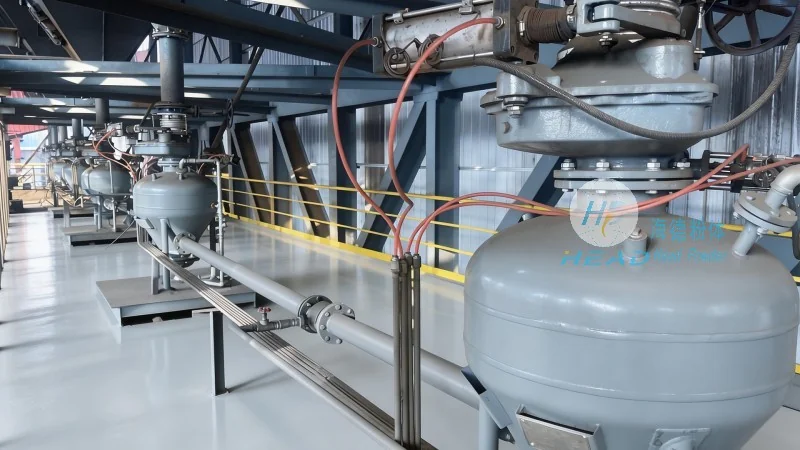
Working Scene Characteristics of Grass Material Pneumatic Conveying
The application of grass material pneumatic conveying equipment varies across different industries and operational environments. In agricultural settings, such as grass processing facilities or livestock feed production plants, the equipment is used to transport freshly cut grass from fields to processing units or storage areas. This method is particularly beneficial in areas where manual handling is difficult or unsafe, as it reduces the risk of injury and contamination. The equipment is also widely used in the production of grass-based products, such as hay, silage, or animal feed, where consistent material quality is essential. In these scenarios, the pneumatic conveying system ensures that the grass is transported without compression or damage, preserving its nutritional value and structural integrity.
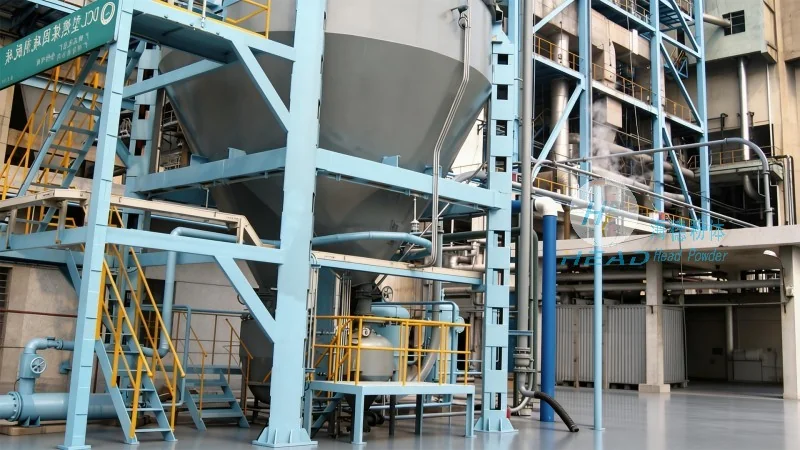
Advantages and Considerations in Grass Material Handling
Using pneumatic conveying for grass material handling offers several advantages over traditional methods. One of the primary benefits is the ability to maintain a dust-free environment, which is crucial for both worker safety and product quality. Unlike manual or mechanical conveying methods, which can generate significant dust and debris, pneumatic systems keep the material contained within the pipeline, reducing the risk of respiratory issues and contamination. Additionally, the system is highly efficient in terms of energy consumption and labor requirements. By automating the material transport process, it reduces the need for manual labor, lowering operational costs and improving overall productivity. However, there are also considerations to keep in mind when implementing pneumatic conveying systems. The initial investment cost can be higher compared to traditional methods, and the system requires regular maintenance to ensure optimal performance. Furthermore, the design of the system must be tailored to the specific characteristics of the grass material, such as its moisture content, density, and particle size, to prevent blockages or system failures. Proper sizing of the pipeline and air pressure is essential to avoid excessive energy consumption or material degradation.
Application Examples and Case Studies
HeadPowder has successfully implemented grass material pneumatic conveying systems in various real-world applications. For instance, a large-scale grass processing plant in Shandong, China, used the company's equipment to transport freshly harvested grass from the fields to a processing facility. The system was designed to handle a high volume of material over a distance of approximately 500 meters, with a consistent flow rate of 10 tons per hour. The results showed a significant reduction in labor costs and an improvement in product quality, as the grass was transported without compression or damage. Another application involved a livestock feed production plant, where the equipment was used to convey grass from storage silos to the feed mixing line. The system ensured a continuous and hygienic supply of material, contributing to the overall efficiency of the feed production process. These case studies highlight the effectiveness of pneumatic conveying in handling grass materials and the benefits it offers to businesses in the agricultural and processing sectors.