

Principle and Working Scene Characteristics of Cereal Pneumatic Conveying Equipment
HeadPowder, a leading provider in the field of material handling solutions, specializes in the design and manufacturing of advanced pneumatic conveying systems tailored for the cereal industry. This article delves into the fundamental principles behind cereal pneumatic conveying equipment and highlights the key characteristics of its working scenes, offering insights into how these systems enhance operational efficiency and product integrity in modern food processing facilities.
Understanding the Core Principle of Pneumatic Conveying for Cereals
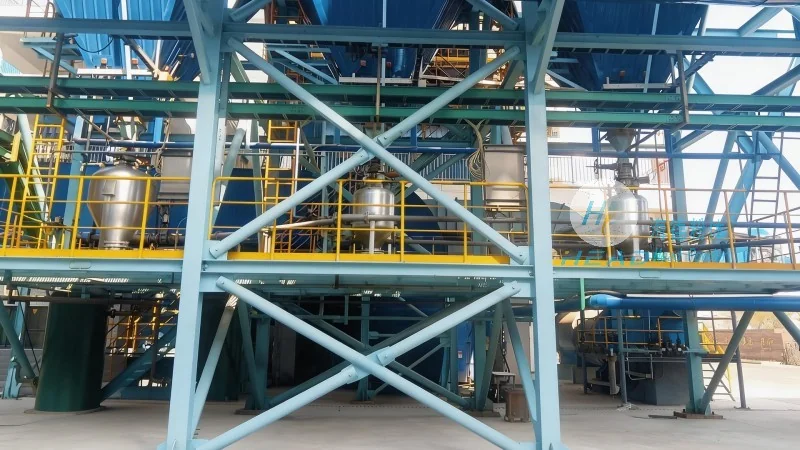
Pneumatic conveying, also known as air conveying, is a method of transporting bulk materials like cereals through a pipeline using a flow of air. The process typically involves creating a pressure differential within the system, either by using a vacuum (negative pressure) or a positive pressure blower. In the context of cereal handling, this technology enables the efficient movement of products from storage silos, processing lines, or packaging stations without the need for mechanical components such as belts or buckets. The core principle revolves around the ability to suspend and transport particles by air, leveraging the kinetic energy of the air stream to move the material through the system. This approach not only reduces the risk of product contamination but also minimizes the need for manual handling, aligning with industry standards for hygiene and safety.
Key Working Scene Characteristics of Cereal Pneumatic Conveying Systems
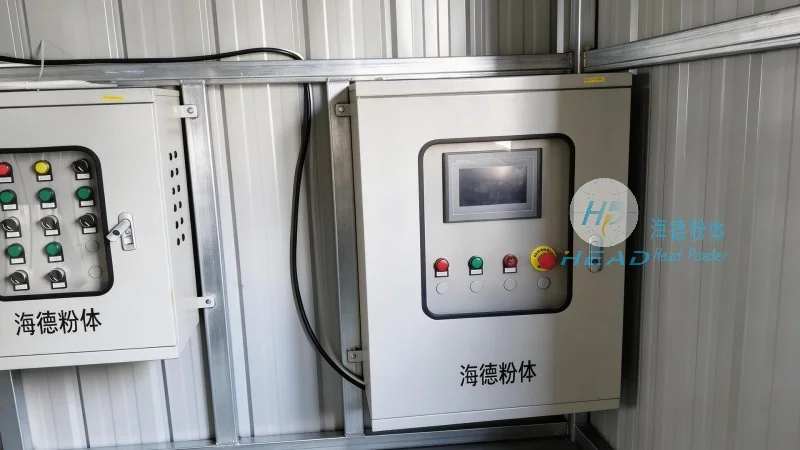
The working scene characteristics of cereal pneumatic conveying equipment are tailored to meet the specific demands of the food processing industry. These systems are designed to operate in environments where product purity, speed, and reliability are paramount. For instance, in large-scale cereal production facilities, the equipment is often integrated into automated production lines, connecting storage silos to processing machinery, such as mixers or extruders. The ability to handle various cereal types, including oats, wheat, corn, and rice, with minimal adjustments makes these systems versatile. Additionally, the systems are engineered to maintain consistent product flow rates, ensuring that production processes run smoothly without interruptions. Another critical characteristic is the system's ability to handle different particle sizes and moisture contents, adapting to the diverse nature of cereal products. This adaptability is crucial for manufacturers who produce a wide range of cereal-based products, from breakfast cereals to animal feed.
Operational Advantages and Industry Applications
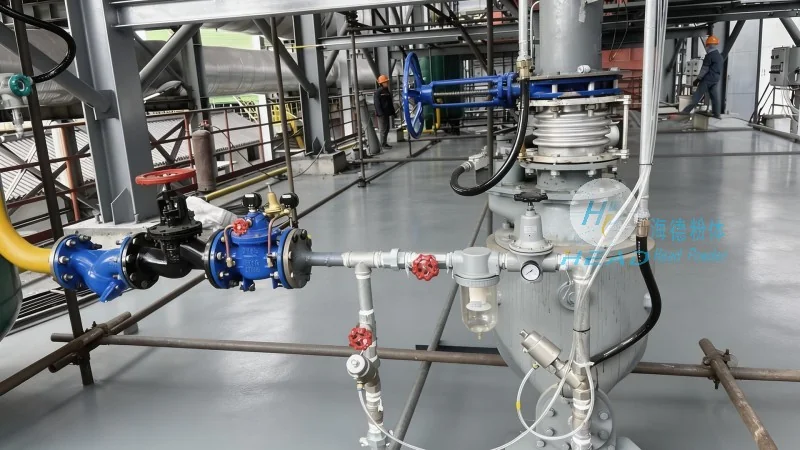
Implementing cereal pneumatic conveying equipment offers several operational advantages that contribute to improved productivity and cost-effectiveness. One of the primary benefits is the reduction in labor costs associated with manual material handling. By automating the transport process, companies can allocate their workforce to more value-added tasks, such as quality control or production planning. Furthermore, the systems contribute to enhanced product quality by minimizing the risk of breakage or contamination during transport. This is particularly important for delicate cereal products that require careful handling to preserve their texture and nutritional value. In terms of energy efficiency, modern pneumatic conveying systems are designed to operate with lower energy consumption compared to traditional mechanical conveyors, making them a sustainable choice for environmentally conscious manufacturers.
Customization and Integration Capabilities
HeadPowder Engineering Co., Ltd., based in Shandong, China, specializes in providing customized pneumatic conveying solutions that meet the unique requirements of each client. The company's expertise lies in designing systems that integrate seamlessly with existing production lines while adhering to industry regulations and safety standards. Customization options include the selection of appropriate air velocities, pipeline materials, and control systems to optimize performance for specific cereal products. For example, systems can be configured to handle high-volume production runs or to accommodate smaller batch sizes, ensuring flexibility in production planning. Additionally, the company offers after-sales support and maintenance services to ensure the long-term reliability of the equipment. This commitment to customization and support makes HeadPowder a trusted partner for businesses seeking to enhance their material handling capabilities in the cereal industry.
Conclusion
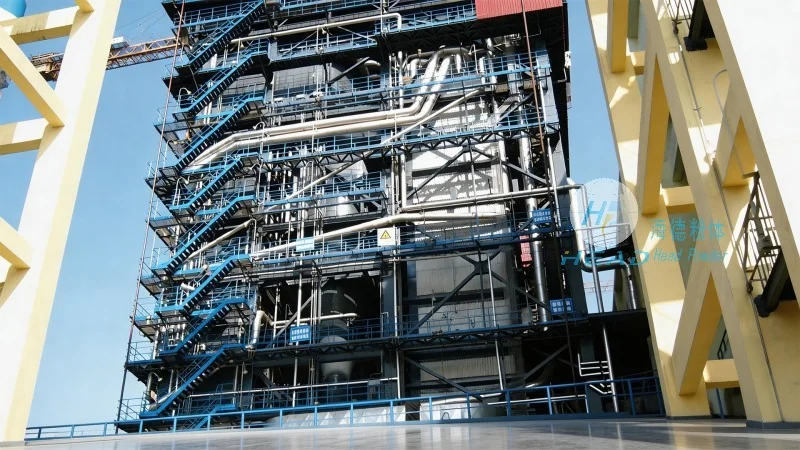
In conclusion, cereal pneumatic conveying equipment represents a sophisticated solution for the efficient and hygienic transport of bulk cereal products. By understanding the core principles of pneumatic conveying and leveraging the working scene characteristics of these systems, manufacturers can achieve significant improvements in operational efficiency, product quality, and overall productivity. With HeadPowder Engineering Co., Ltd. as a reliable partner, businesses can access tailored solutions that meet their specific needs, contributing to the success of their cereal production operations. The integration of advanced pneumatic conveying technology into modern food processing facilities continues to be a key factor in maintaining competitiveness and meeting the evolving demands of the market.