

Principle and Working Scene Characteristics of Silica Fume Pneumatic Conveying Equipment
HeadPowder, a leading manufacturer based in Shandong, China, specializes in the design and production of advanced pneumatic conveying systems tailored for silica fume applications. This article delves into the fundamental principles of these systems and highlights the key characteristics of their operational environments.
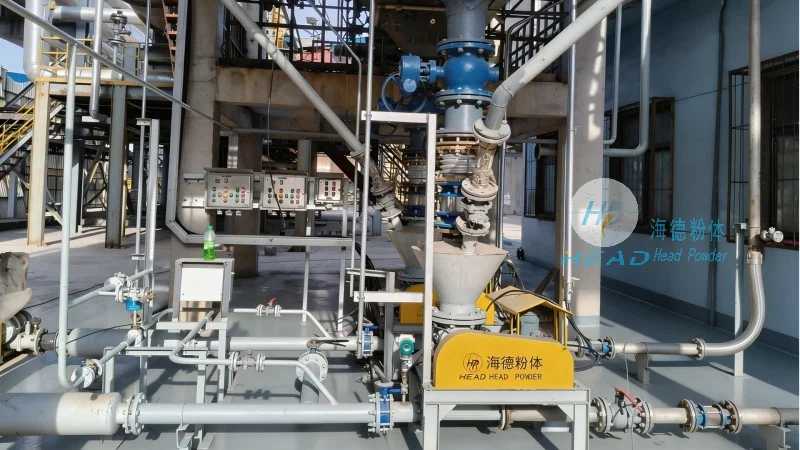
Understanding the Core Principles of Silica Fume Pneumatic Conveying
The pneumatic conveying equipment for silica fume operates on the principle of transporting bulk materials through a pipeline using a gas stream, typically air or other suitable gases. The system comprises several critical components, including a material feeder, a conveying line, a gas source (such as a blower or compressor), and a discharge unit. The material feeder ensures a consistent flow of silica fume into the pipeline, while the gas source generates the necessary pressure to move the material. The conveying line, often made of durable materials like stainless steel or high-density polyethylene, minimizes material degradation and ensures efficient transport. The discharge unit then collects the conveyed silica fume, completing the process. This method offers significant advantages over traditional mechanical conveying, including reduced equipment wear, lower maintenance costs, and improved safety by eliminating the need for manual handling of dusty materials.
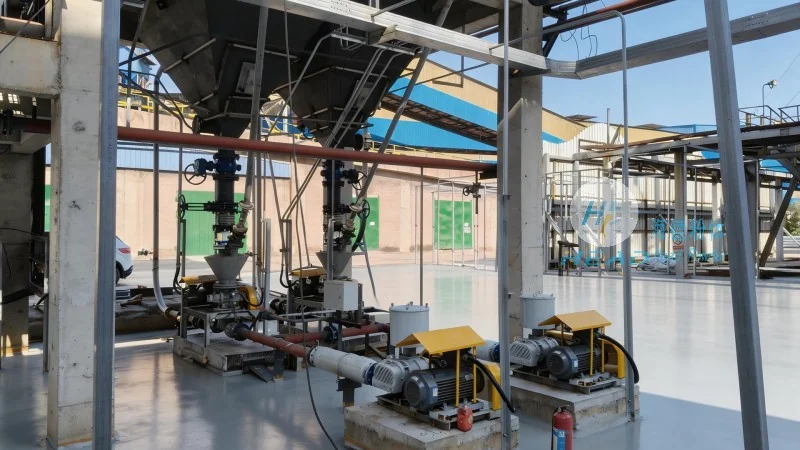
Key Working Scene Characteristics of Silica Fume Pneumatic Conveying Systems
The operational environments for silica fume pneumatic conveying systems are characterized by specific conditions that influence system design and performance. First, the material's properties, such as its density, particle size distribution, and moisture content, are critical factors. Silica fume, being a fine powder with high specific surface area, requires systems with precise control over air flow and pressure to prevent blockages and ensure consistent transport. Second, the system's scale and layout depend on the application's requirements. For instance, in industrial settings like cement production or concrete manufacturing, the conveying distance and throughput capacity must be optimized to meet production demands. Third, environmental considerations play a vital role. Pneumatic conveying systems are designed to minimize dust emissions and comply with environmental regulations, often incorporating dust collection and filtration systems. Additionally, the system's integration with existing infrastructure, such as storage silos and processing units, is essential for seamless operation. These characteristics ensure that the equipment operates efficiently and reliably in diverse industrial applications.
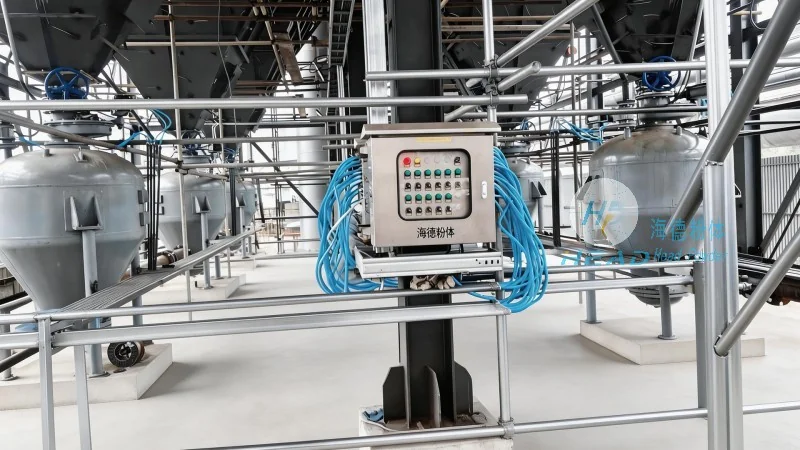
HeadPowder's Expertise in Silica Fume Pneumatic Conveying Solutions
As a reputable company based in Shandong, China, HeadPowder Engineering Co., Ltd. has established itself as a trusted provider of high-quality pneumatic conveying systems for silica fume. The company's expertise lies in customizing solutions to meet the unique needs of each client, whether for small-scale laboratory applications or large-scale industrial production. HeadPowder's engineers leverage advanced technology and extensive industry experience to design systems that maximize efficiency, minimize downtime, and ensure compliance with safety and environmental standards. The company's commitment to innovation is evident in its use of cutting-edge materials and design methodologies, resulting in equipment that is durable, reliable, and cost-effective. By partnering with HeadPowder, clients gain access to tailored solutions that enhance their operational performance and contribute to their overall success in the silica fume industry.