

Principle and Working Scene Characteristics of Sintered Fly Ash Pneumatic Conveying Equipment
Shandong HeadPowder Engineering Co., Ltd., commonly known as HeadPowder, specializes in the design, manufacturing, and supply of advanced pneumatic conveying systems tailored for industrial applications. The company, headquartered in Shandong, China, leverages decades of engineering expertise to deliver efficient solutions for material handling challenges, particularly in the processing of sintered fly ash—a byproduct of coal combustion in power plants.
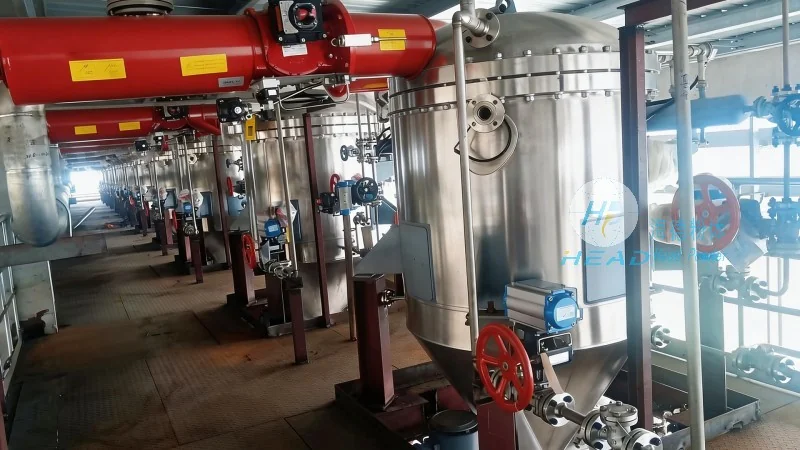
Sintered fly ash, also known as calcined fly ash, is a fine particulate material that requires specialized handling due to its abrasive nature and potential health hazards. Traditional methods like belt conveyors or bucket elevators often struggle with the high dust content and the need for gentle material transport to prevent degradation. Pneumatic conveying systems, especially those designed for dense-phase or dilute-phase operations, offer a superior alternative by utilizing air to move materials through pipelines, minimizing contamination and ensuring consistent flow rates.
Principle of Pneumatic Conveying for Sintered Fly Ash
The core principle of pneumatic conveying for sintered fly ash involves the use of compressed air to create a flow of material within a closed pipeline system. In dense-phase conveying, the air velocity is controlled to maintain a high material concentration, typically 10-20% by volume, which reduces particle impact and wear on equipment. This method is ideal for long-distance transport and handling of abrasive materials like sintered fly ash, as it minimizes degradation and ensures the material reaches its destination with minimal loss of quality.
In contrast, dilute-phase conveying operates at higher air velocities, with material concentrations as low as 1-5% by volume. While this method is suitable for shorter distances and less abrasive materials, it may not be optimal for sintered fly ash due to the risk of particle breakage and increased wear on components. Therefore, dense-phase pneumatic conveying is the preferred approach for most industrial applications involving sintered fly ash, as it balances efficiency, material integrity, and operational safety.
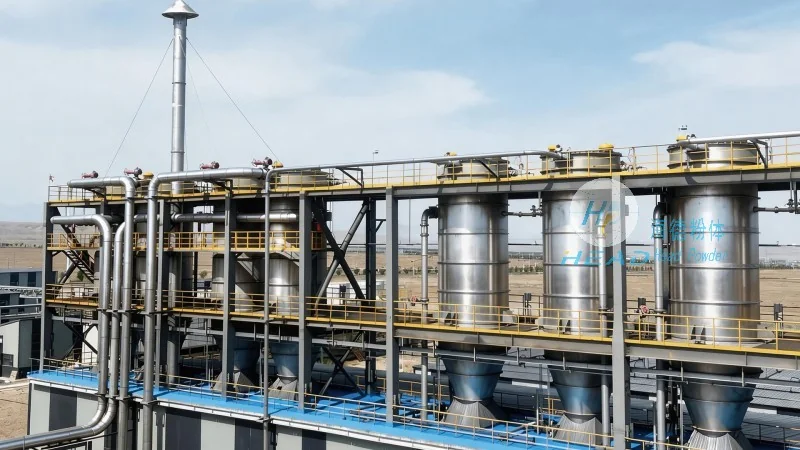
Working Scene Characteristics of Sintered Fly Ash Pneumatic Conveying Equipment
The working scene characteristics of sintered fly ash pneumatic conveying equipment are shaped by the specific demands of industrial processes, including the scale of material handling, the distance of transport, and the environmental requirements. For example, in power plant facilities, the equipment must be integrated with existing dust collection systems and storage silos, ensuring seamless material flow from the sintering process to the disposal or utilization stages.
One key characteristic is the need for robust filtration and dust control measures. Since sintered fly ash is a fine powder, the conveying system must include high-efficiency filters to prevent air pollution and maintain compliance with environmental regulations. The equipment design also considers the material's moisture content and flowability, as these factors influence the air pressure and flow rate required for effective transport.
Another important aspect is the scalability of the system. Industrial plants often require pneumatic conveying equipment that can handle varying material volumes, from continuous feed to intermittent batches. The system's flexibility allows for adjustments in air pressure, pipeline diameter, and conveying speed to accommodate different production schedules and material characteristics.
Application Scenarios and Operational Advantages
Sintered fly ash pneumatic conveying equipment is widely used in various industrial sectors, including power generation, cement production, and construction material manufacturing. In power plants, the equipment efficiently transports sintered fly ash from the sintering unit to storage silos or for further processing into building materials. The advantages of this system include reduced labor costs, minimized material loss, and improved safety compared to manual handling or traditional bulk transport methods.
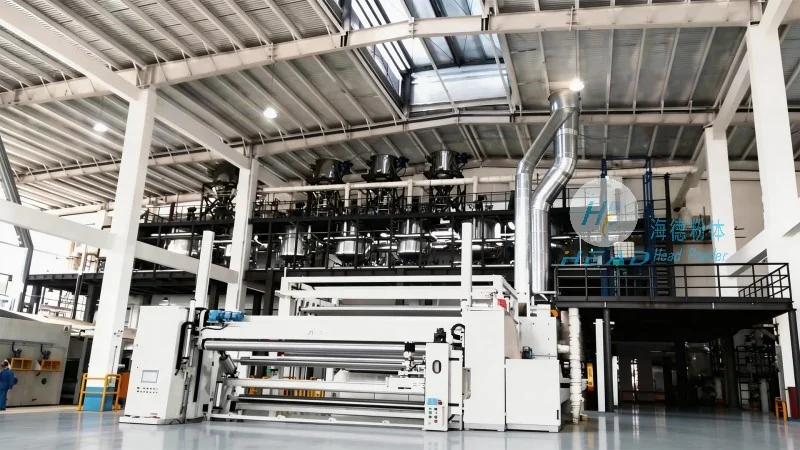
For cement plants, the equipment can be integrated with raw material handling systems, allowing for the efficient transport of sintered fly ash as a supplementary cementitious material. This not only enhances the plant's operational efficiency but also contributes to sustainable construction practices by utilizing a byproduct that would otherwise be disposed of as waste.
In construction material manufacturing, the equipment supports the production of lightweight aggregates or cementitious composites, where sintered fly ash is used as a replacement for natural aggregates or clinker. The consistent quality of the material delivered by the pneumatic conveying system ensures uniform product characteristics, leading to higher product reliability and customer satisfaction.
Overall, the working scene characteristics of sintered fly ash pneumatic conveying equipment are defined by its ability to handle abrasive, fine materials with high efficiency and minimal environmental impact. The design and operation of such systems require careful consideration of material properties, process requirements, and regulatory standards, ensuring that the equipment meets the specific needs of each industrial application.