

Principle and Working Scene Characteristics of Iron Concentrate Pneumatic Conveying Equipment
HeadPowder, a professional manufacturer based in Shandong, China, specializes in providing advanced iron concentrate pneumatic conveying equipment. This article delves into the core principles of such systems and highlights the key characteristics of their working environments, offering a comprehensive overview for industry professionals.
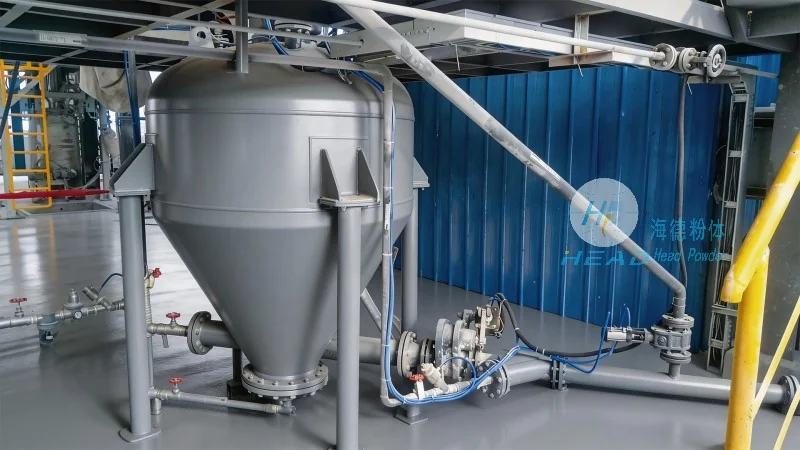
Company Profile and Location
HeadPowder Engineering Co., Ltd. is a leading enterprise in the field of powder handling technology, headquartered in Shandong, China. Our company has been dedicated to the research, development, and production of pneumatic conveying systems for various industrial applications, including the handling of iron concentrates. With a strong focus on innovation and customer satisfaction, we have established ourselves as a reliable partner for businesses seeking efficient and reliable material transport solutions.
The Principle of Iron Concentrate Pneumatic Conveying
The iron concentrate pneumatic conveying system operates by using air as the medium to transport iron concentrate particles through a pipeline. This method, known as pneumatic conveying, can be categorized into two main types: positive pressure and negative pressure systems. In a positive pressure system, air is forced under pressure into the conveying line, carrying the material from the source to the destination. Conversely, negative pressure systems create a vacuum in the line, drawing the material and air mixture into the system. For iron concentrates, which often have specific particle size distributions and moisture content, the choice of system type depends on factors such as material properties, distance, and required flow rate.
The core components of an iron concentrate pneumatic conveying system typically include a feeder, a conveying pipeline, a separation and collection system, and a blower or vacuum pump. The feeder is responsible for uniformly feeding the iron concentrate into the pipeline, ensuring consistent material flow. The conveying pipeline, usually made of corrosion-resistant materials like stainless steel or special alloys, transports the material. The separation system, often a cyclone or bag filter, separates the material from the air stream, allowing the iron concentrate to be collected and the air to be discharged or recycled. The blower or vacuum pump provides the necessary air pressure or vacuum to drive the conveying process.
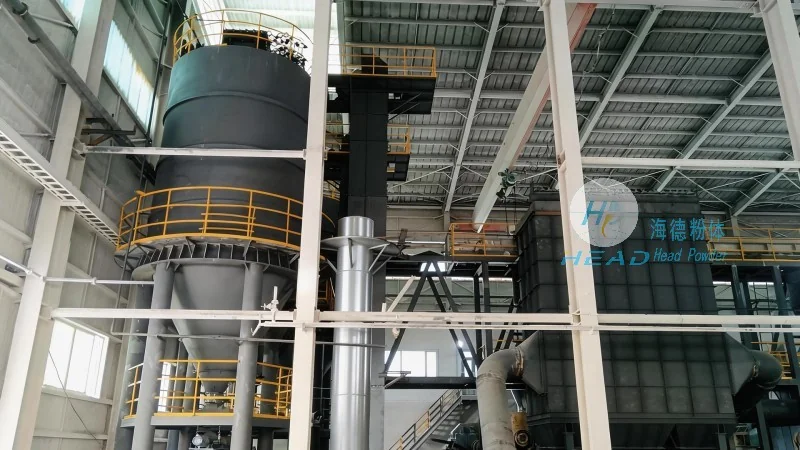
Working Scene Characteristics of Iron Concentrate Pneumatic Conveying Equipment
The working environment for iron concentrate pneumatic conveying equipment is typically found in mining and metallurgical industries, where large quantities of iron concentrate need to be transported between different processing stages. These systems are commonly used in scenarios such as from ore crushing and grinding units to storage silos, or from storage to sintering or pelletizing plants. The key characteristics of these working scenes include high material throughput, often ranging from several tons per hour to hundreds of tons per hour, and the need for reliable, continuous operation to support production lines.
Another important characteristic is the handling of materials with specific properties. Iron concentrates may contain moisture, which can affect the conveying efficiency and equipment performance. Therefore, the design of the conveying system must consider moisture control, such as using drying mechanisms or selecting materials that are resistant to moisture. Additionally, the equipment must be able to handle varying particle sizes, as iron concentrates can have a wide range of particle diameters, from fine powders to larger agglomerates. The system's flexibility in accommodating different particle sizes is crucial for maintaining stable operation and preventing blockages in the pipeline.
The working environment also demands durability and resistance to corrosion. Iron concentrates often contain acidic or oxidizing components that can corrode metal surfaces over time. Thus, the construction of the conveying equipment, particularly the pipeline and components, is made from materials like stainless steel or special coatings to ensure long-term reliability. Furthermore, the system must be designed to minimize dust emissions, as iron concentrate dust can be hazardous to health and the environment. Advanced filtration systems and sealed components are employed to achieve low dust levels and comply with environmental regulations.
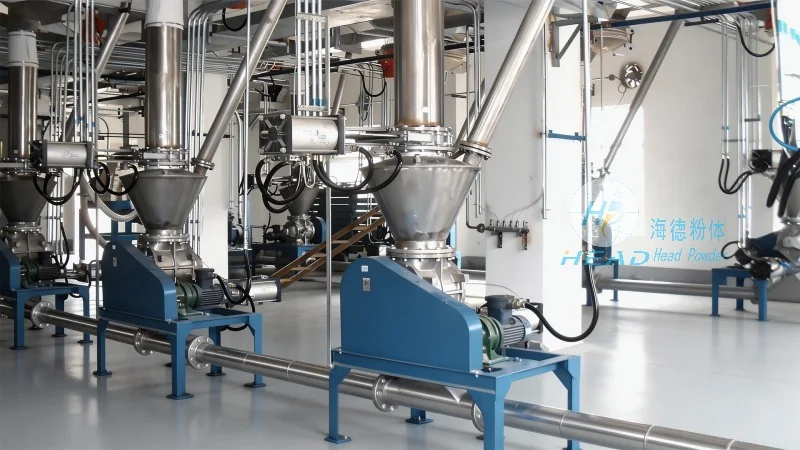
Advantages and Applications in Industrial Settings
Iron concentrate pneumatic conveying equipment offers several advantages over traditional methods like belt conveyors or bucket elevators. One of the primary benefits is the ability to transport materials in a closed system, which reduces dust pollution and improves workplace safety. This is particularly important in environments where iron concentrate dust can cause respiratory issues or environmental contamination. Additionally, pneumatic conveying systems can handle materials with high moisture content and varying particle sizes more effectively, as the air flow can adapt to the material's characteristics.
The equipment is widely used in various industrial applications, including mining operations, steel mills, and chemical plants. In mining, it is used to transport iron concentrate from ore processing facilities to storage or further processing units. In steel mills, it plays a critical role in moving iron concentrate to sintering or pelletizing plants, where it is prepared for use in the production of steel. The flexibility and efficiency of the system make it suitable for both large-scale and small-scale operations, providing a cost-effective solution for material transport needs.
Conclusion
Iron concentrate pneumatic conveying equipment, with its advanced principles and tailored working scene characteristics, represents a sophisticated solution for efficient material handling in the iron and steel industry. By understanding the core principles of pneumatic conveying and the specific requirements of iron concentrate handling, businesses can select and implement systems that enhance productivity, ensure safety, and comply with environmental standards. HeadPowder Engineering Co., Ltd. continues to innovate in this field, providing high-quality equipment that meets the evolving needs of industrial clients in Shandong and beyond.