

Comparison of Common Calcium Powder Conveying Methods
When it comes to handling calcium powder in industrial applications, selecting the right conveying method is crucial for efficiency, safety, and cost-effectiveness. Various technologies are available, each with its own advantages and limitations. This article provides a detailed comparison of common calcium powder conveying methods, helping you make an informed decision for your specific needs.
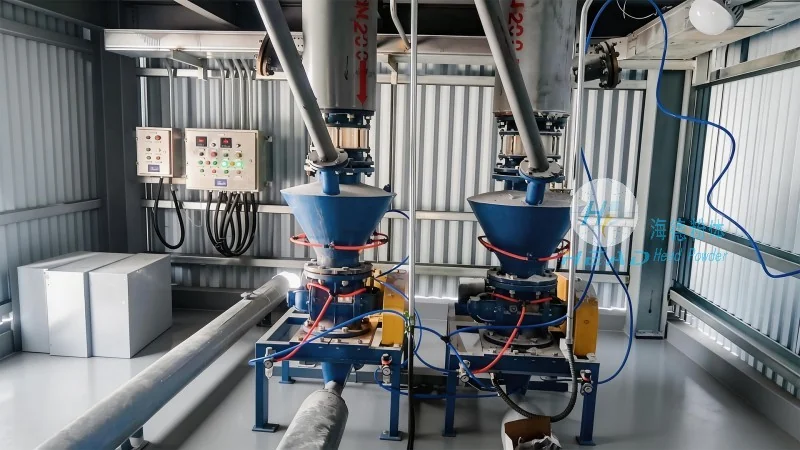
Overview of Key Conveying Technologies
Before diving into the comparison, it's essential to understand the fundamental principles behind each method. Conveying systems for calcium powder typically fall into two main categories: mechanical and pneumatic. Mechanical systems use physical components like screws, belts, or buckets to move material, while pneumatic systems utilize air pressure to transport powder through pipes.
1. Screw Conveyors for Calcium Powder
Screw conveyors, also known as auger conveyors, are a popular choice for calcium powder handling due to their simplicity and reliability. These systems consist of a rotating screw (auger) inside a U-shaped or cylindrical housing. As the screw rotates, it pushes the powder forward, making it suitable for horizontal or slightly inclined applications. The design allows for enclosed transport, which helps contain dust and maintain product quality. HeadPowder, a leading manufacturer based in Shandong, China, offers high-quality screw conveyors engineered to handle calcium powder with minimal degradation. Their models are designed with durable materials and efficient drive systems, ensuring consistent performance in industrial settings.
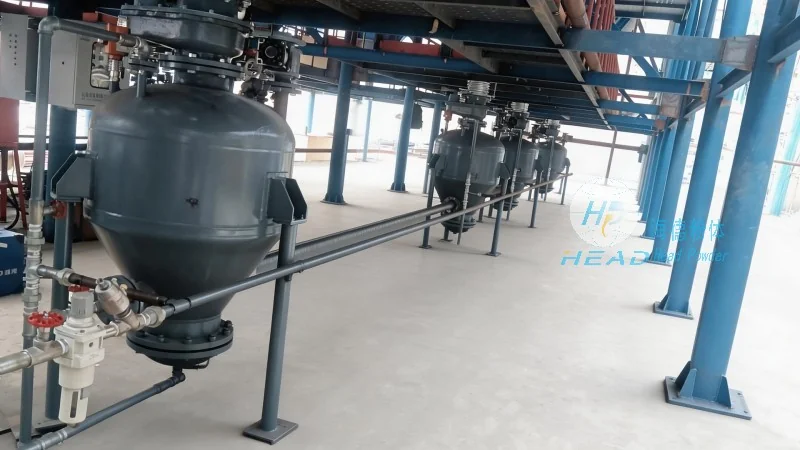
2. Pneumatic Conveying Systems
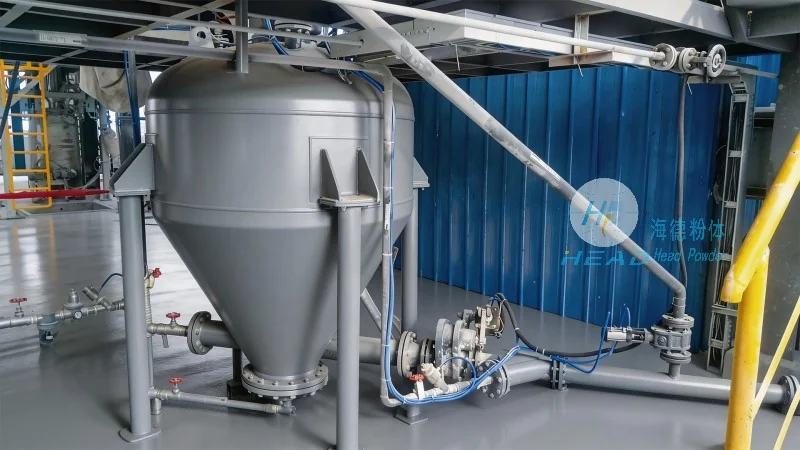
Pneumatic conveying, or air-based transport, is another widely used method for calcium powder. This technology uses compressed air to move the powder through a network of pipes. There are two main types: pressure and vacuum systems. Pressure systems push the powder from a source using high-pressure air, while vacuum systems draw the powder into a receiver. Pneumatic conveying is ideal for long-distance transport and can handle both dry and slightly moist calcium powders. However, it requires careful control of air pressure and flow to prevent material degradation or blockages. HeadPowder's pneumatic conveying solutions are designed with advanced control systems and high-efficiency filters, ensuring reliable operation and minimal maintenance.
3. Bucket Elevators
Bucket elevators are vertical or inclined conveyor systems that use buckets attached to a chain or belt to lift and transport calcium powder. These systems are highly effective for vertical or steep incline applications, making them suitable for elevating powder from lower to higher levels in a facility. The enclosed design of bucket elevators helps prevent dust dispersion and maintains product purity. HeadPowder provides robust bucket elevator solutions with heavy-duty buckets and durable chains, ensuring safe and efficient vertical transport of calcium powder. Their designs are optimized for high-capacity operations and can handle varying particle sizes without compromising performance.
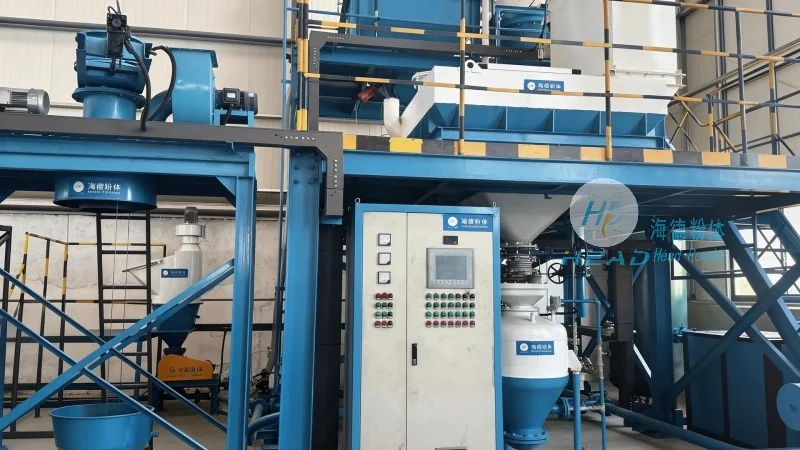
Choosing the Right Conveying Method for Calcium Powder
When selecting a calcium powder conveying method, several factors should be considered. The first is the application's specific requirements, such as the distance to be covered, the height of the lift, and the desired capacity. For short horizontal distances, a screw conveyor may be sufficient, while pneumatic systems are better for longer distances or when vertical transport is needed. Cost is another critical factor; mechanical systems like screw conveyors often have lower initial costs compared to pneumatic systems, which may require more complex infrastructure and higher energy consumption. Maintenance and operational costs also play a role, as pneumatic systems may need more frequent filter changes and air compressor maintenance. Finally, the nature of the calcium powder itself—such as its particle size, moisture content, and flowability—can influence the choice. For example, cohesive or fine powders may require specialized equipment to prevent bridging or blockages. HeadPowder's expertise in calcium powder handling allows them to recommend the most suitable conveying solution based on these factors, ensuring optimal performance and longevity.
Conclusion and Company Information
Choosing the right calcium powder conveying method is essential for maintaining efficiency and product quality in industrial operations. Whether you opt for a screw conveyor, pneumatic system, or bucket elevator, the key is to select a solution that matches your specific needs and operational constraints. HeadPowder Engineering Co., Ltd., a reputable company based in Shandong, China, specializes in providing high-quality conveying equipment tailored to calcium powder applications. With years of experience and a commitment to excellence, HeadPowder offers reliable, efficient, and cost-effective solutions that meet the demands of modern industrial processes. Their products are designed with durability, safety, and performance in mind, ensuring long-term satisfaction for clients worldwide.