

Comparison of Common River Sand Conveying Methods
Efficient and reliable transport of river sand is crucial for various construction and industrial applications. Selecting the right conveying method can significantly impact operational efficiency, cost-effectiveness, and safety. This article provides a detailed comparison of common river sand conveying methods, focusing on their features, advantages, and applications. The information is presented by Shandong HeadPowder Engineering Co., Ltd., a leading provider of specialized conveying solutions based in China.
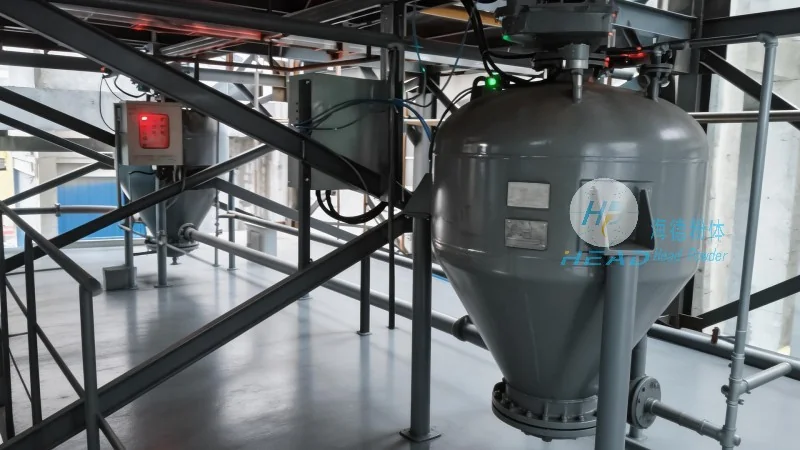
Introduction to River Sand Conveying
River sand, a vital raw material in construction, is often required to be transported from extraction sites to processing plants or construction sites. Traditional manual or simple mechanical methods are inefficient and pose safety risks. Modern river sand conveying systems utilize advanced technology to ensure smooth, continuous, and safe transport. The choice of conveying method depends on factors such as the distance, volume, terrain, and specific requirements of the project.
Company Profile: Shandong HeadPowder Engineering Co., Ltd.
HeadPowder is a professional manufacturer and supplier of river sand conveying equipment based in Shandong, China. With years of experience in the industry, the company specializes in designing, manufacturing, and installing customized conveying systems tailored to the unique needs of clients. Their products are known for high efficiency, durability, and low maintenance costs, making them a trusted choice for construction and industrial projects worldwide.
1. Belt Conveyor System for River Sand
Belt conveyors are one of the most widely used methods for transporting river sand due to their versatility and efficiency. This system consists of a continuous loop of a flat or troughed belt that moves the sand from the source to the destination. The belt is driven by a motor, and the sand is loaded onto the belt at the inlet and discharged at the outlet. Belt conveyors are suitable for both short and long distances, with the ability to handle large volumes of sand at a consistent speed. They are particularly effective for horizontal or slightly inclined transport, making them ideal for river sand extraction sites near construction areas.
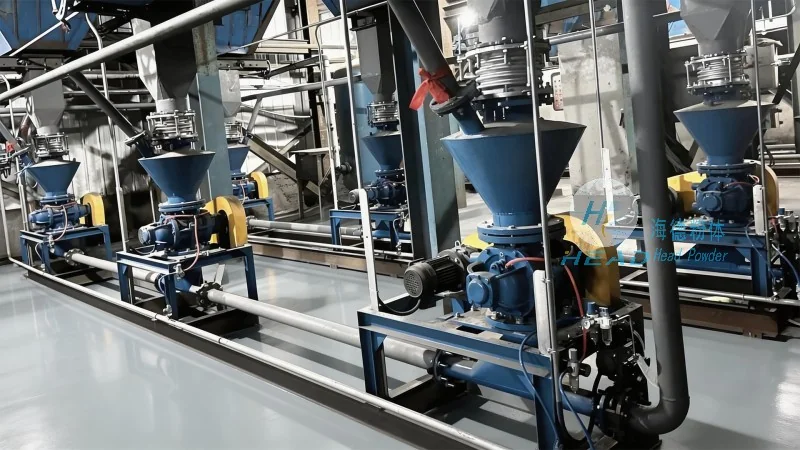
2. Screw Conveyor (Auger) for River Sand
Screw conveyors, also known as augers, are another common method for transporting river sand. This system uses a rotating screw or helical blade inside a tube to move the sand forward. The screw rotates at a controlled speed, pushing the sand along the tube. Screw conveyors are well-suited for vertical or inclined transport, as they can lift sand to elevated levels without the need for additional equipment. They are compact and easy to install, making them suitable for confined spaces or areas with limited access. However, they have a lower capacity compared to belt conveyors and may experience wear and tear on the screw and tube over time.
3. Pumping System for River Sand
Pumping systems are used for transporting river sand in liquid or slurry form. This method involves pumping the sand mixed with water through a pipeline using a pump. The slurry is then discharged at the required location. Pumping systems are ideal for long-distance transport, especially when the sand needs to be moved across water bodies or through underground pipelines. They can handle high volumes of sand and are less affected by terrain changes. However, they require a constant water supply and may need additional equipment for slurry preparation and dewatering.
4. Bucket Elevator for River Sand
Bucket elevators are vertical or inclined conveyors that use a series of buckets attached to a chain or belt to transport sand. The buckets are filled with sand at the bottom and lifted to the top, where the sand is discharged. Bucket elevators are highly efficient for vertical transport and can handle large volumes of sand at high speeds. They are commonly used in processing plants where the sand needs to be elevated to different levels for further processing. However, they are more complex and expensive to install compared to other methods and may require more maintenance.

5. Hydraulic Conveying System
Hydraulic conveying systems use high-pressure water to transport river sand through a pipeline. The sand is mixed with water to form a slurry, which is then pumped through the pipeline. This method is suitable for long-distance transport and can handle abrasive materials like river sand without causing significant wear on the pipeline. Hydraulic conveying systems are efficient and can transport sand over distances of several kilometers. However, they require a reliable water supply and may need additional equipment for slurry separation and water recycling.
Factors to Consider When Choosing a River Sand Conveying Method
When selecting a river sand conveying method, several factors should be considered to ensure optimal performance and cost-effectiveness. These factors include the distance and terrain between the extraction and processing sites, the volume of sand to be transported, the required speed and capacity, the available space for installation, and the budget. Additionally, the characteristics of the river sand, such as its size, moisture content, and abrasiveness, should be taken into account, as they can affect the choice of equipment and the overall conveying system.
Conclusion
Choosing the right river sand conveying method is essential for the success of construction and industrial projects. Each method has its own advantages and limitations, and the selection should be based on the specific requirements of the project. Shandong HeadPowder Engineering Co., Ltd. offers a range of customized conveying solutions to meet the diverse needs of clients, ensuring efficient and reliable transport of river sand. By considering factors such as distance, volume, and terrain, project managers can select the most suitable conveying method to enhance operational efficiency and reduce costs.