

Working Principle and Features of Loess Material Pneumatic Conveying Equipment
Loess material pneumatic conveying equipment is a specialized system designed for the efficient transport of loess and similar fine-grained materials. This equipment plays a crucial role in various industrial applications, offering a reliable solution for material handling challenges. The following sections will explore the working principle and key features of such systems, providing insights into their functionality and advantages.
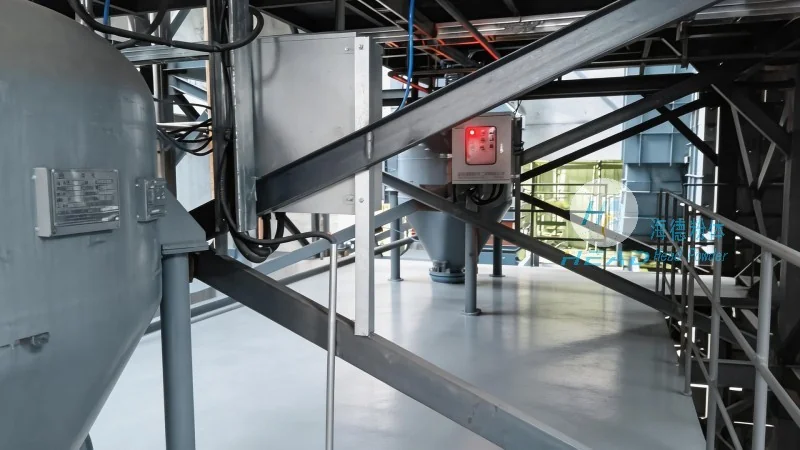
Working Principle of Loess Material Pneumatic Conveying Equipment
At the core of loess material pneumatic conveying equipment is the pneumatic transport mechanism, which utilizes air as the medium to move materials. The system typically operates through a combination of positive and negative pressure or vacuum, depending on the specific design and application requirements. The process begins with the material being fed into a hopper or feeder, where it is then introduced into a pipeline. Air is then introduced into the system, either by a blower or a vacuum pump, creating a flow that propels the material through the pipeline. The velocity of the air and the design of the pipeline are critical factors in ensuring efficient material transport without causing excessive wear or degradation of the material.
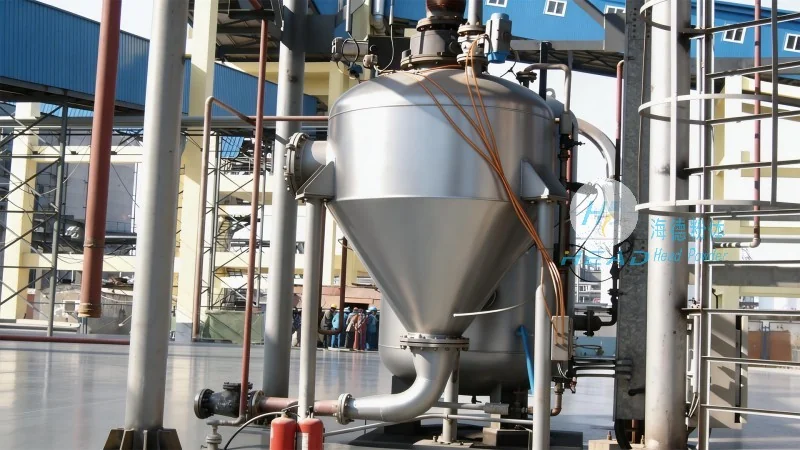
Key Features of Loess Material Pneumatic Conveying Equipment
Loess material pneumatic conveying equipment offers several distinct features that make it an attractive choice for industrial operations. One of the primary advantages is its ability to handle fine-grained materials like loess without the need for mechanical components that might cause clogging or wear. The system is also highly flexible, allowing for changes in material flow rates and pipeline configurations as needed. Additionally, these systems are generally compact and can be integrated into existing production lines with minimal disruption. Another notable feature is the hygienic design, which is particularly important in industries where material purity is critical, such as food processing or pharmaceuticals. The equipment is also energy-efficient, with modern designs incorporating advanced control systems to optimize air usage and reduce operational costs.
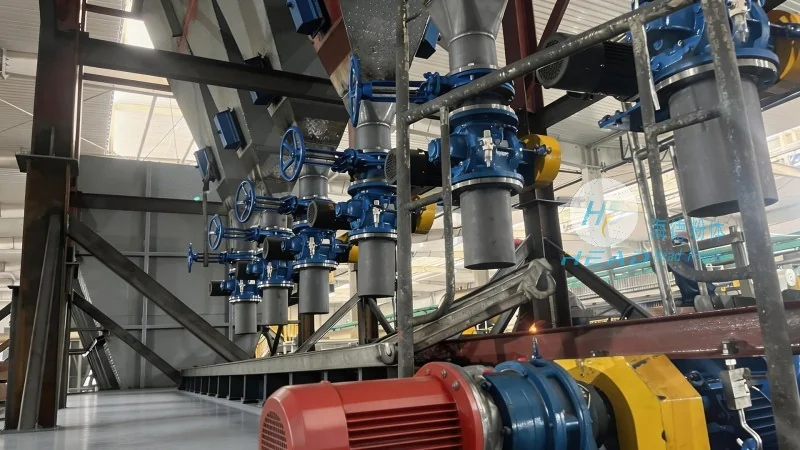
Applications and Benefits in Industrial Settings
Loess material pneumatic conveying equipment is widely used in various industries, including construction, mining, and chemical processing. In construction, it is used for transporting sand, cement, and other fine materials to different parts of a site. In mining operations, it helps in the transport of ore and other minerals from processing plants to storage facilities. The benefits of using this equipment include improved safety, as it eliminates the need for manual handling of loose materials, reducing the risk of dust exposure and accidents. Furthermore, the system can be integrated with other automation technologies, enhancing overall operational efficiency and reducing labor costs.
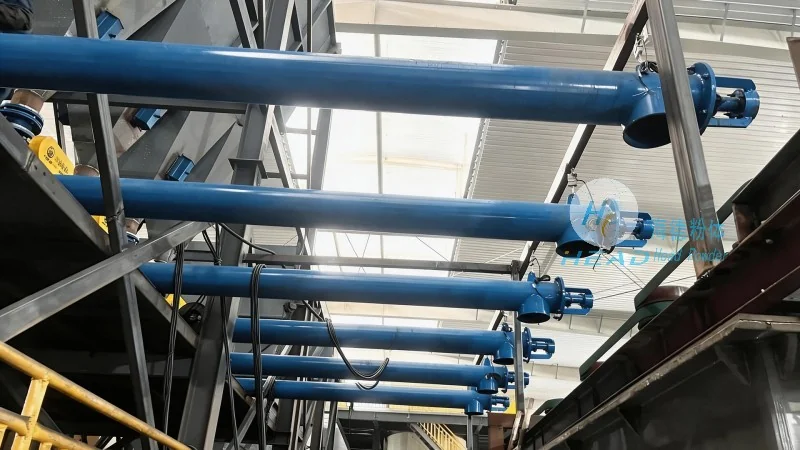
Company Information: Shandong HeadPowder Engineering Co., Ltd.
As a leading manufacturer in the field of material handling equipment, Shandong HeadPowder Engineering Co., Ltd. specializes in the design, manufacturing, and supply of loess material pneumatic conveying systems. With a strong commitment to quality and innovation, the company has established itself as a trusted partner for businesses seeking reliable and efficient material transport solutions. HeadPowder's products are engineered to meet the specific needs of various industries, ensuring optimal performance and durability. The company's headquarters is located in Shandong, China, where it maintains state-of-the-art facilities for research, development, and production. By leveraging advanced technology and a team of experienced engineers, HeadPowder continues to deliver high-quality equipment that meets international standards and customer expectations.