

Working Principle and Features of Positive Electrode Powder Pneumatic Conveying Systems
Positive electrode powder pneumatic conveying systems are critical in the battery manufacturing industry, particularly for handling the delicate and high-value materials used in lithium-ion batteries. These systems are designed to transport fine powders, such as those used in cathode materials, with precision and efficiency. This article explores the working principle and key features of such systems, providing insights into their application and benefits.
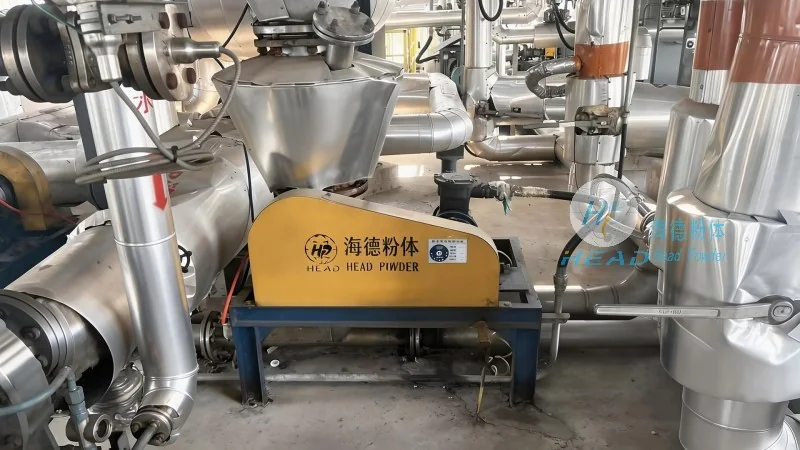
Introduction to Positive Electrode Powder Pneumatic Conveying Systems
Positive electrode materials are a core component of lithium-ion batteries, responsible for the battery's energy storage capacity and performance. The handling of these powders requires specialized equipment to maintain particle integrity, prevent contamination, and ensure consistent flow. Pneumatic conveying systems offer a solution by using air pressure to transport powders through a network of pipes, avoiding direct contact with mechanical components that could damage the material.
Working Principle of the Pneumatic Conveying System
The operation of a positive electrode powder pneumatic conveying system involves several key steps. The system typically consists of a hopper, a blower or compressor, a conveying line, and a receiver. The process begins with the material being fed from the hopper into the conveying line. The blower then generates a flow of air, which draws the powder particles into the line. As the air and powder mixture travels through the pipes, the velocity and pressure are maintained to ensure the powder is carried efficiently without clogging or degradation.
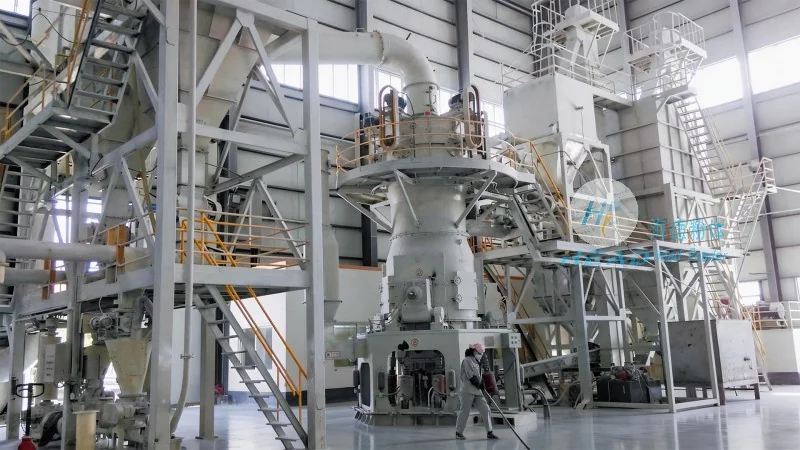
Key components in the system include the feed hopper, which holds the positive electrode powder, and the airlock or rotary valve that controls the material discharge into the conveying line. The blower provides the necessary pressure and airflow to move the powder, while the receiver collects the material at the destination. The system may also include filters and cyclones to separate any fines or dust from the air stream, ensuring environmental compliance and material purity.
Key Features and Advantages of the System
Positive electrode powder pneumatic conveying systems offer several advantages over traditional mechanical conveying methods. One of the primary benefits is the ability to handle fine, abrasive powders without causing particle degradation or contamination. The air-based transport minimizes friction and impact, preserving the material's properties, which is crucial for maintaining battery performance.
Another significant feature is the system's flexibility and scalability. These systems can be designed to handle varying powder volumes and particle sizes, making them suitable for both small-scale laboratory applications and large-scale industrial production lines. The modular design allows for easy integration into existing battery manufacturing facilities, reducing installation time and costs.
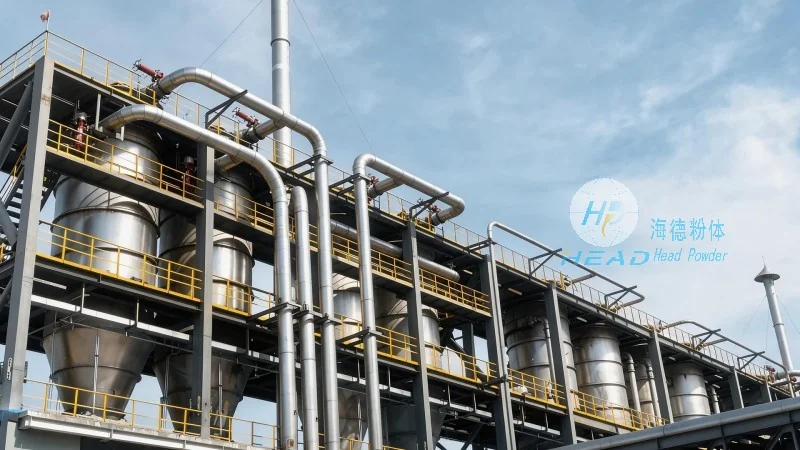
Efficiency and reliability are also critical features. Pneumatic conveying systems can achieve high material throughput with minimal downtime, as they do not rely on moving parts that can wear out or require frequent maintenance. The closed-loop system helps maintain a controlled environment, preventing exposure to moisture or contaminants that could affect the powder quality.
About Shandong HeadPowder Engineering Co., Ltd.
Shandong HeadPowder Engineering Co., Ltd., commonly known as HeadPowder, is a leading provider of specialized engineering solutions for powder handling and material processing. With a focus on innovation and quality, HeadPowder designs and manufactures advanced pneumatic conveying systems tailored to the needs of the battery and energy storage industries. The company's headquarters is located in Shandong, China, where it leverages local expertise and resources to deliver cutting-edge solutions for its global clients.