

Feed Pellet Conveying Methods
When it comes to efficiently transporting feed pellets in agricultural and industrial settings, understanding the available methods is crucial for optimizing operations and ensuring product integrity. The choice of conveyance system can significantly impact productivity, energy consumption, and the overall quality of the feed pellets being handled. This article explores the primary methods used for feed pellet conveyance, highlighting the advantages and considerations of each approach. Shandong HeadPowder Engineering Co., Ltd., a leading provider of feed processing equipment, specializes in designing and manufacturing conveyance systems tailored to the unique needs of feed mills and agricultural operations.
Mechanical Conveyors: Traditional and Reliable Solutions
One of the most common and reliable methods for transporting feed pellets is through mechanical conveyors. These systems utilize physical components such as belts, chains, or screws to move the pellets from one location to another. For instance, belt conveyors are widely used in feed mills due to their simplicity and ability to handle a wide range of pellet sizes and weights. They are particularly effective for horizontal or slightly inclined transport, ensuring minimal breakage and maintaining pellet quality. Another popular mechanical option is the screw conveyor, which uses a rotating helical screw to push pellets forward. Screw conveyors are ideal for vertical or inclined transport, offering consistent and controlled movement. The choice between belt and screw conveyors often depends on the specific application, including the distance to be covered and the required throughput. Mechanical conveyors are generally low-maintenance and provide a cost-effective solution for many feed processing facilities.
Air-Pressure Conveying Systems: High-Speed and Versatile
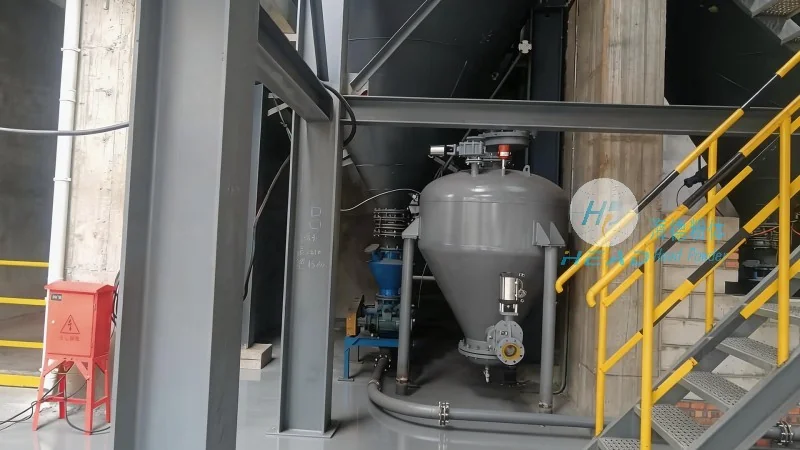
For applications requiring rapid and efficient transport over longer distances, air-pressure conveying systems are an excellent choice. These systems utilize compressed air to move feed pellets through a pipeline. The pellets are typically fed into the system via a hopper and then carried by the air flow. This method is particularly advantageous for transporting pellets in a dust-free environment, as the enclosed pipeline prevents contamination and loss. Air-pressure conveyors are highly versatile and can handle both dry and slightly moist pellets. They are commonly used in large-scale feed production facilities where high throughput is essential. The main advantage of this system is its ability to transport pellets quickly and with minimal product degradation. However, it requires a reliable air supply and proper maintenance to ensure consistent performance.
Pneumatic Conveying: A Flexible and Durable Option
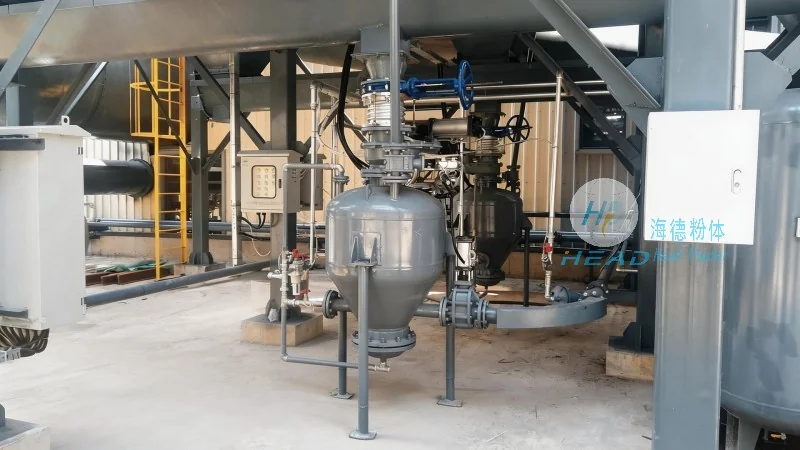
Pneumatic conveying systems, which use both positive and negative pressure, offer a flexible solution for transporting feed pellets. These systems can handle both bulk and small quantities of pellets, making them suitable for various applications. The positive pressure mode involves blowing air into the pipeline to push the pellets forward, while the negative pressure mode uses suction to draw the pellets through the system. This dual-mode capability allows for greater flexibility in system design and operation. Pneumatic conveyors are known for their durability and ability to handle abrasive or irregularly shaped pellets without significant wear. They are often used in feed mills where the need to transport pellets between different processing stages is common. The main drawback of pneumatic systems is the higher energy consumption compared to mechanical conveyors, but this is offset by their efficiency and versatility.
Hybrid Conveying Solutions: Combining the Best of Both Worlds
In some cases, combining mechanical and pneumatic components can provide the most effective solution for feed pellet transport. Hybrid systems, such as belt-screw or conveyor-pneumatic combinations, are designed to leverage the strengths of each method. For example, a belt conveyor might be used to transport pellets to a pneumatic system for final delivery to a storage silo. This approach allows for efficient horizontal transport followed by rapid vertical or long-distance transport. Hybrid solutions are particularly beneficial in large-scale feed production facilities where multiple processing stages are involved. They offer the reliability of mechanical systems with the speed and flexibility of pneumatic systems, ensuring optimal performance and product quality. The key to successful hybrid systems is proper integration and maintenance to ensure smooth operation and minimal downtime.
Factors to Consider When Choosing a Feed Pellet Conveying System
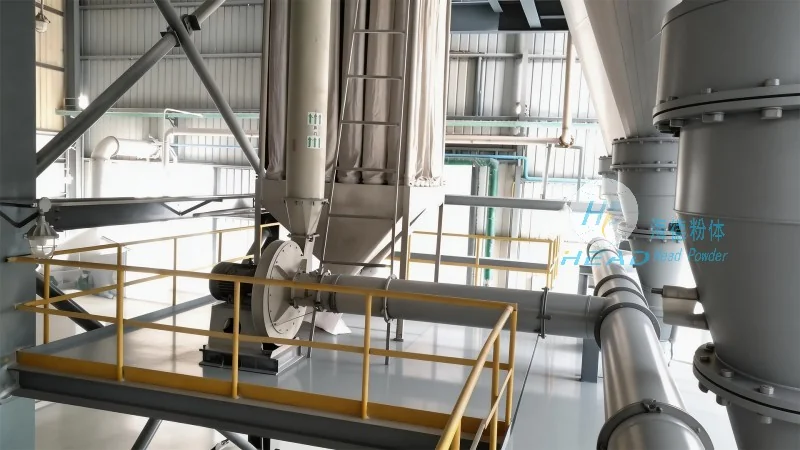
When selecting a feed pellet conveying system, several factors must be considered to ensure the best fit for a specific operation. The first consideration is the distance and layout of the facility. Short distances may be efficiently handled by mechanical conveyors, while longer distances may require pneumatic systems. The volume of pellets to be transported is another critical factor, as higher throughput demands more robust systems. The type of feed pellets, including their size, moisture content, and abrasiveness, also plays a role in system selection. For example, abrasive pellets may require more durable components in a mechanical system, while moist pellets may need a system that prevents clumping. Energy consumption and operating costs are important considerations for long-term efficiency. Additionally, the need for dust control and product cleanliness should be evaluated, as some systems offer better containment than others. Finally, maintenance requirements and availability of spare parts should be considered to minimize downtime and ensure consistent performance.
Conclusion: Selecting the Right Feed Pellet Conveying System
Choosing the appropriate feed pellet conveying system is essential for optimizing feed processing operations and maintaining product quality. Mechanical conveyors offer reliability and cost-effectiveness for shorter distances and moderate throughput. Air-pressure and pneumatic systems provide speed and flexibility for longer distances and higher throughput. Hybrid systems combine the best features of both, offering versatility for complex layouts. By carefully evaluating factors such as distance, volume, pellet characteristics, and operational costs, feed processing facilities can select the most suitable conveying system. The goal is to achieve efficient, reliable, and cost-effective transport of feed pellets while minimizing product degradation and ensuring compliance with industry standards. With the right system in place, feed mills can enhance productivity, reduce operational costs, and maintain the quality of their feed products, ultimately contributing to the success of their operations.