

Working Principle and Characteristics of Fine Sand and Gravel Pneumatic Conveying
Understanding the working principle and characteristics of fine sand and gravel pneumatic conveying is crucial for industries that rely on efficient material handling solutions. This article provides a detailed overview of the technology, focusing on how it operates and its key features, while highlighting the expertise of Shandong HeadPowder Engineering Co., Ltd. (headpowder), a leading provider based in Shandong, China, specializing in advanced material handling systems.
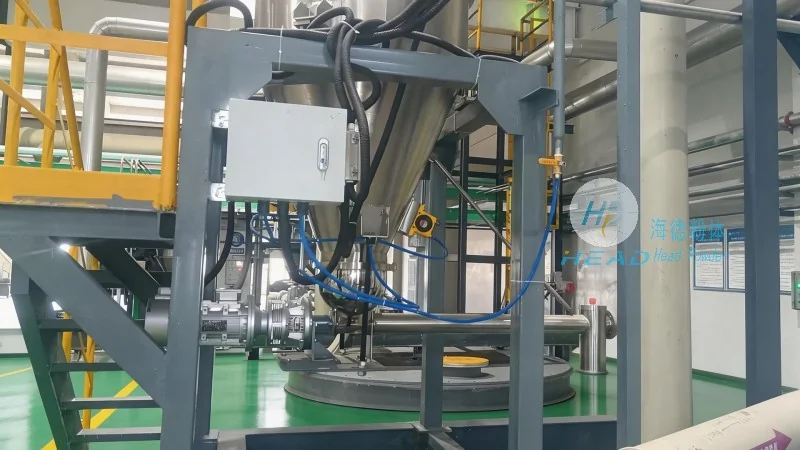
Working Principle of Fine Sand and Gravel Pneumatic Conveying
Fine sand and gravel pneumatic conveying systems operate by using air or gas to transport dry, free-flowing materials like fine sand and gravel through a pipeline. The process typically involves two main modes: suction (or vacuum) conveying and pressure (or positive) conveying. In suction conveying, a vacuum is created at the receiving end to draw material from the source into the pipeline. The system includes components such as a material feeder, a vacuum pump, and a separation unit. The material feeder ensures a consistent flow of the fine sand or gravel into the pipeline, while the vacuum pump generates the necessary negative pressure to pull the material along. The separation unit, often a cyclone or a bag filter, separates the material from the air stream at the receiving end, allowing the material to be deposited and the air to be filtered or released. Pressure conveying, on the other hand, uses a positive pressure at the discharge end to push the material through the pipeline. This mode is suitable for longer distances or when the material needs to be delivered to a higher elevation. The system includes a blower or a positive displacement pump to generate the pressure, a material feeder, and a pipeline network. The material is fed into the pipeline under pressure and travels to the destination, where it is discharged and the air is released or recirculated.
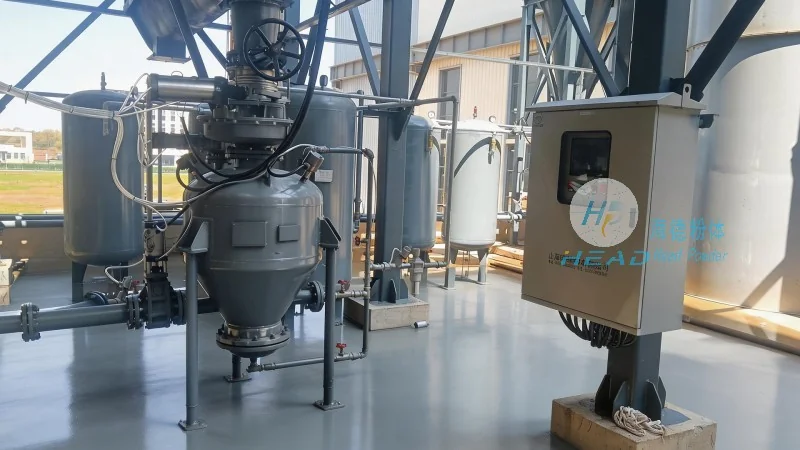
Key Characteristics of Fine Sand and Gravel Pneumatic Conveying Systems
Fine sand and gravel pneumatic conveying systems offer several advantages that make them ideal for various industrial applications. One of the primary characteristics is their high efficiency in material transport. Unlike traditional methods like belt conveyors or bucket elevators, pneumatic conveying can handle fine, dusty materials without the need for additional equipment to prevent clogging or material loss. The system's ability to transport materials over long distances with minimal maintenance makes it a cost-effective solution. Another key characteristic is its environmental friendliness. Pneumatic conveying systems are enclosed, which helps contain dust and prevent environmental contamination. The use of air as the conveying medium reduces the need for water or other liquids, making it a more sustainable option compared to wet processing methods. Additionally, the systems are adaptable to different material types and particle sizes, from fine powders to small gravel, making them versatile for various industries such as construction, mining, and manufacturing. The compact design of the equipment also allows for easy integration into existing facilities, reducing installation time and costs. Furthermore, the systems provide better control over material flow, enabling precise dosing and regulation of the material being conveyed. This control is essential for processes that require consistent material delivery, such as in pharmaceutical or food processing industries where fine sand or gravel might be used as an ingredient or filler.
Applications and Industries Benefiting from Fine Sand and Gravel Pneumatic Conveying
Fine sand and gravel pneumatic conveying systems are widely used across multiple industries due to their efficiency and adaptability. In the construction industry, these systems are used to transport sand and gravel from storage silos to mixing plants or construction sites. The ability to handle large volumes of material over long distances makes it ideal for large-scale construction projects. The mining industry also benefits from pneumatic conveying, as it can transport ore or fine gravel from mining sites to processing facilities without the need for heavy machinery or open-pit transport. In the manufacturing sector, industries that use fine sand or gravel as raw materials, such as glass manufacturing or foundries, rely on pneumatic conveying to ensure a consistent supply of material to production lines. The pharmaceutical and food industries also utilize these systems for transporting fine powders or granules, where hygiene and contamination control are critical. The systems' enclosed design and ability to maintain a clean environment make them suitable for these industries, ensuring that the materials remain free from contaminants and meet regulatory standards.
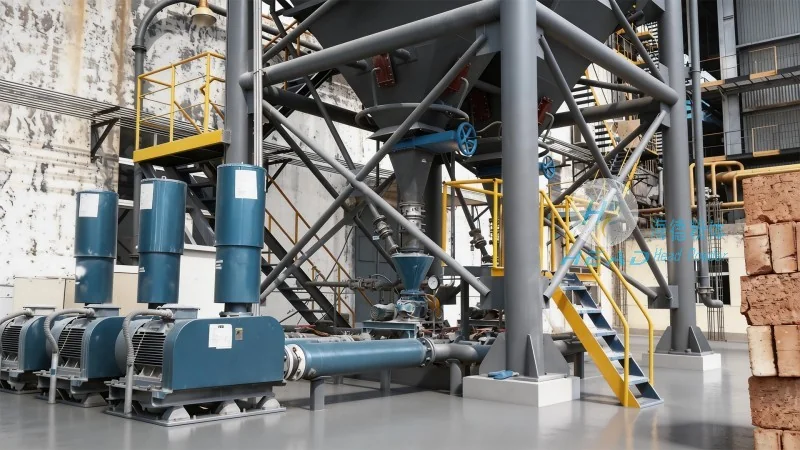
Advantages of Choosing Shandong HeadPowder Engineering Co., Ltd. for Pneumatic Conveying Solutions
For businesses seeking reliable and efficient fine sand and gravel pneumatic conveying solutions, Shandong HeadPowder Engineering Co., Ltd. (headpowder) stands out as a trusted partner. With years of experience in the industry, the company specializes in designing, manufacturing, and installing customized pneumatic conveying systems tailored to the specific needs of each client. The company's team of engineers and technicians work closely with clients to understand their material handling requirements and develop solutions that optimize performance and reduce operational costs. Shandong HeadPowder Engineering Co., Ltd. uses high-quality materials and advanced technology in the construction of its systems, ensuring durability and long-term reliability. The company also provides comprehensive after-sales support, including maintenance services and technical assistance, to ensure that clients can maximize the lifespan and efficiency of their equipment. By choosing Shandong HeadPowder Engineering Co., Ltd., businesses can benefit from the company's expertise and commitment to quality, ensuring that their pneumatic conveying systems meet the highest standards and deliver optimal performance.