

Working Principle and Features of Light Calcium Gypsum Pneumatic Conveying
Light calcium gypsum, also known as calcium sulfate hemihydrate, is a widely used industrial material in various sectors such as construction, pharmaceuticals, and food processing. The efficient and reliable transportation of this material from production sites to processing or packaging areas is crucial for maintaining production efficiency and product quality. Pneumatic conveying systems offer an effective solution for handling light calcium gypsum, providing advantages over traditional methods like belt conveyors or bucket elevators. This article will explore the working principle and key features of light calcium gypsum pneumatic conveying systems, highlighting how they enhance operational performance and material handling capabilities, with insights from Shandong HeadPowder Engineering Co., Ltd., a leading provider of industrial material handling solutions based in China.
The Working Principle of Light Calcium Gypsum Pneumatic Conveying
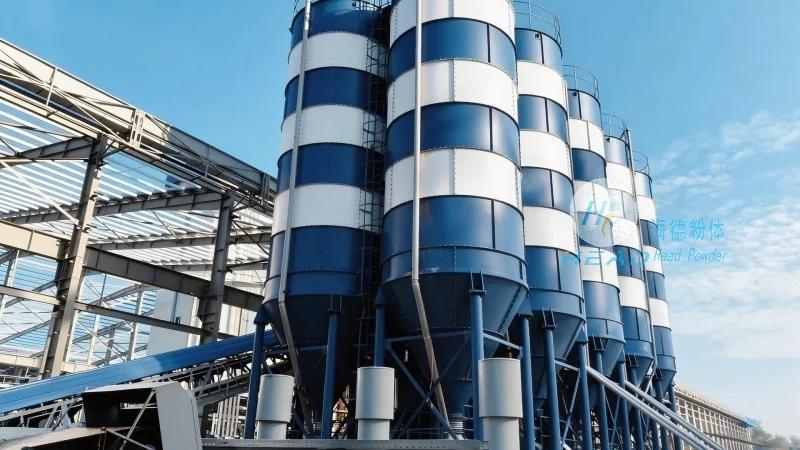
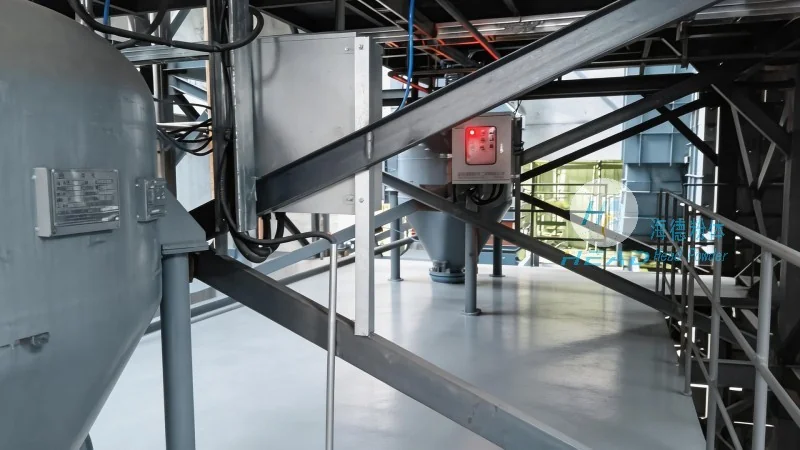
Light calcium gypsum pneumatic conveying systems operate based on the principle of using air or gas to transport bulk materials through a pipeline network. The process typically involves several key components and steps. First, the material is fed into a hopper or feeder, where it is then introduced into the conveying line. A fan or blower generates a flow of air, which draws the material particles into the pipeline. The air and material mixture travels through the pipeline, often with the aid of bends, elbows, and other fittings, to the destination point. At the receiving end, a separator or cyclone separates the material from the air, allowing the material to be discharged and the air to be filtered and recycled. The entire system relies on the balance between air velocity and material particle size to ensure stable and efficient transport. The working principle is designed to minimize material degradation, reduce dust generation, and maintain consistent material flow rates, which are critical for downstream processes.
Key Features of Light Calcium Gypsum Pneumatic Conveying Systems
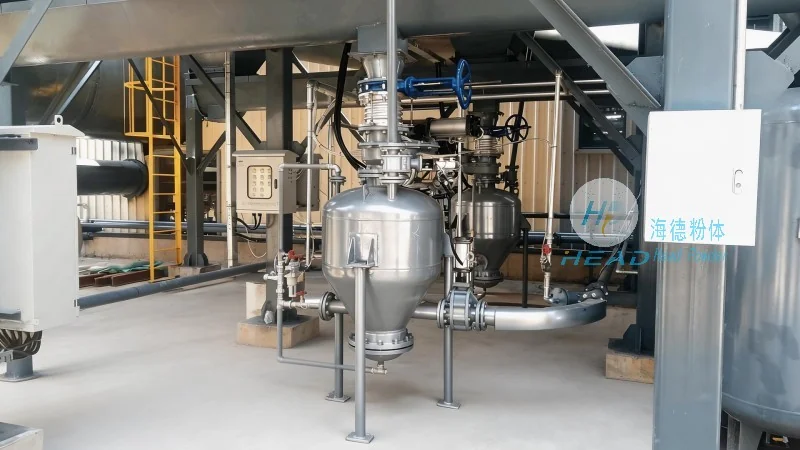
Light calcium gypsum pneumatic conveying systems exhibit several notable features that make them suitable for handling this material. One of the primary advantages is the ability to transport material over long distances without the need for multiple transfer points, which reduces system complexity and maintenance requirements. The systems are also highly flexible, allowing for changes in the conveying route or capacity without significant modifications. Another key feature is the low maintenance nature of pneumatic conveying, as there are fewer moving parts compared to mechanical conveyors, leading to lower operational costs and longer equipment life. Additionally, these systems can handle a wide range of material characteristics, including different particle sizes and moisture contents, making them adaptable to various production scenarios. The enclosed nature of the conveying process minimizes dust exposure, enhancing workplace safety and compliance with environmental regulations. Furthermore, the ability to integrate with other processing equipment, such as mixers or reactors, allows for seamless material flow from production to downstream applications. These features collectively contribute to improved productivity, reduced downtime, and enhanced overall operational efficiency in light calcium gypsum handling operations.
Application and Operational Considerations
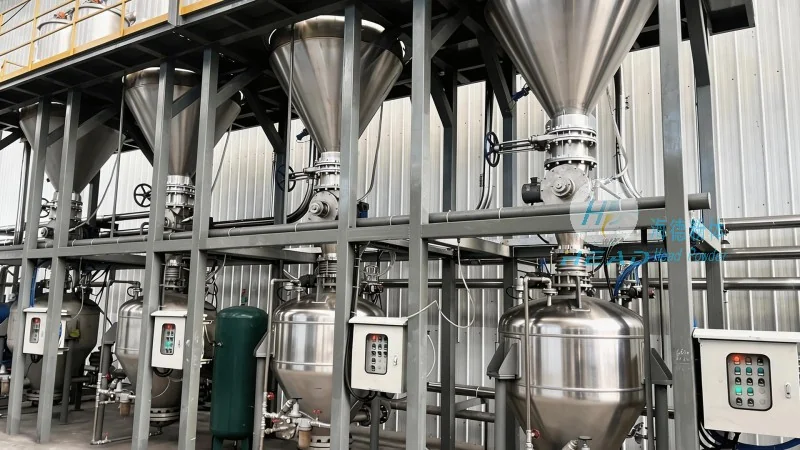
Light calcium gypsum pneumatic conveying systems are widely applied in industries where the material needs to be transported from storage or production areas to processing units. In the construction industry, for example, these systems are used to transport gypsum for wallboard manufacturing, ensuring a consistent supply of raw material to production lines. In pharmaceutical and food processing industries, the systems help maintain the purity and quality of the material by preventing contamination and dust exposure. Operational considerations for these systems include selecting the appropriate air velocity and pressure to match the material's properties, ensuring proper sizing of the conveying line and components, and implementing effective dust control measures. Regular maintenance, such as cleaning the filters and checking the fan performance, is essential to maintain system efficiency and prevent downtime. The choice of system design, whether it is a positive pressure or negative pressure system, depends on factors like the distance to be covered and the material's characteristics. Positive pressure systems are often preferred for long-distance conveying as they provide better control over the material flow and reduce the risk of material backflow. Overall, the application of light calcium gypsum pneumatic conveying systems requires careful planning and consideration of the specific operational requirements to achieve optimal performance.