

What Are the Methods for Fly Ash Transportation?
When it comes to the transportation of fly ash, there are several effective methods that can be employed depending on the specific requirements of the project and the infrastructure available. As a leading provider in the field, Shandong HeadPowder Engineering Co., Ltd. specializes in offering comprehensive solutions for fly ash handling and transportation. With a focus on efficiency, safety, and environmental compliance, their approach to fly ash transportation encompasses a range of proven techniques.
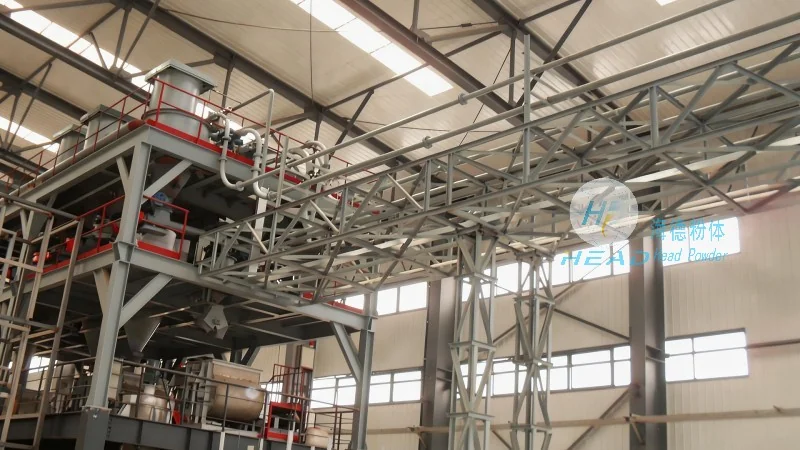
1. Pneumatic Conveying Systems
Pneumatic conveying is a widely used method for transporting fly ash over short to medium distances. This system utilizes air pressure to move the material through a pipeline. There are two main types of pneumatic conveying: positive pressure and negative pressure. Positive pressure systems blow air into the pipeline, pushing the fly ash forward, while negative pressure systems create a vacuum that pulls the material through the line. The choice between these depends on factors such as the distance, the volume of ash to be transported, and the need for dust control. Pneumatic conveying offers advantages like the ability to handle fine particles, minimal maintenance requirements, and the capacity to transport ash in a controlled manner. At Shandong HeadPowder Engineering Co., Ltd., they design and implement pneumatic conveying systems tailored to the unique needs of each client, ensuring optimal performance and reliability.
2. Belt Conveyor Systems
Belt conveyor systems are another common method for fly ash transportation, particularly for longer distances and larger volumes. These systems consist of a continuous belt that moves the material from one point to another. The belt is supported by rollers and driven by a motor, allowing for the smooth and continuous transport of fly ash. Belt conveyors are highly efficient and can handle a wide range of materials, including fly ash. They are often used in conjunction with other equipment, such as feeders and hoppers, to ensure a steady flow of material. The design of the belt conveyor system, including the belt type, speed, and inclination, is crucial for maximizing efficiency and minimizing wear and tear. Shandong HeadPowder Engineering Co., Ltd. provides customized belt conveyor solutions that meet the specific operational demands of their clients, ensuring durability and consistent performance.
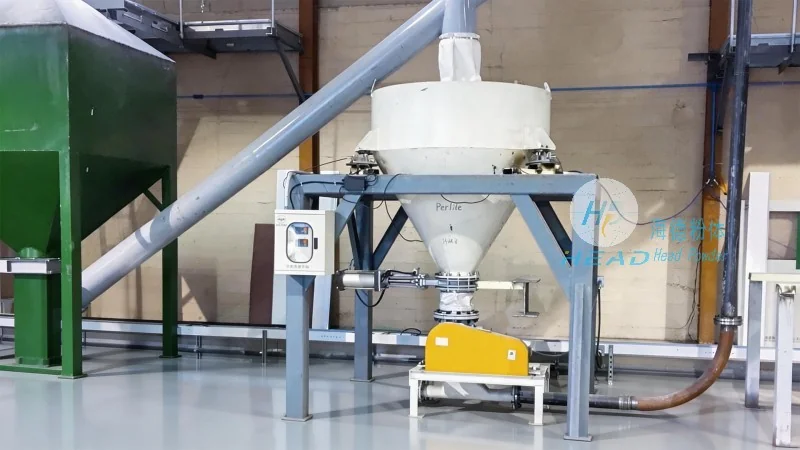
3. Truck and Rail Transportation
For the transportation of fly ash over longer distances or to different locations, truck and rail transportation are viable options. Trucks can be used for shorter routes, while rail cars are more suitable for bulk transport over greater distances. This method involves loading the fly ash into containers or hopper cars, which are then transported to the destination. Truck and rail transportation allows for the movement of large quantities of fly ash, making it an effective solution for projects with extensive transportation needs. However, it is important to consider factors such as logistics, scheduling, and the environmental impact of these modes of transport. Shandong HeadPowder Engineering Co., Ltd. collaborates with logistics partners to ensure the safe and efficient delivery of fly ash using truck and rail transportation, adhering to all relevant regulations and standards.
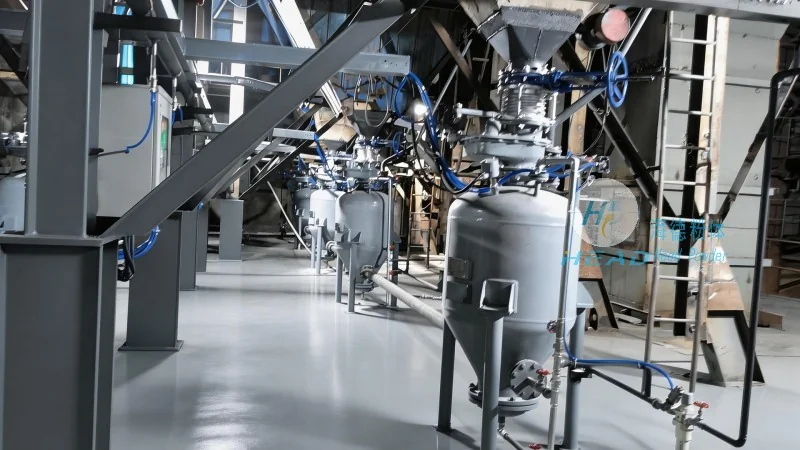
4. Hydraulic Conveying
Hydraulic conveying, also known as slurry transport, involves mixing fly ash with water to create a slurry, which is then pumped through pipelines. This method is particularly useful for transporting fly ash over long distances or in areas with challenging terrain. The slurry is pumped using high-pressure pumps, and the system includes valves, filters, and other components to maintain the flow and prevent clogging. Hydraulic conveying offers the advantage of being able to handle a wide range of particle sizes and concentrations. However, it requires careful management of water usage and the disposal of the resulting slurry. Shandong HeadPowder Engineering Co., Ltd. has expertise in designing and operating hydraulic conveying systems, ensuring that the process is efficient and environmentally responsible.
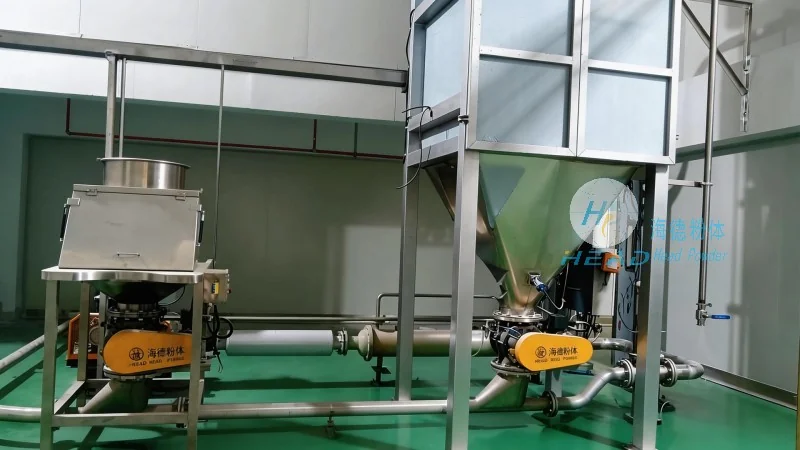
5. Combination Methods
In many cases, a combination of the above methods may be used to achieve the most efficient fly ash transportation. For example, a pneumatic system might be used for the initial transport from the source to a central storage facility, followed by a belt conveyor system for further distribution. Truck or rail transport might then be employed for the final delivery to the end-user. This integrated approach allows for flexibility and optimization of the entire transportation process. Shandong HeadPowder Engineering Co., Ltd. specializes in designing and implementing integrated transportation solutions that combine the best features of each method, ensuring that the fly ash is transported safely, efficiently, and in compliance with all regulations.
Overall, the choice of fly ash transportation method depends on various factors, including the distance, volume, and specific requirements of the project. Shandong HeadPowder Engineering Co., Ltd. provides expert guidance and tailored solutions to help clients select the most appropriate method for their needs. By leveraging their experience and expertise, they ensure that the transportation of fly ash is carried out in the most effective and sustainable manner possible.