

Methods of Water-Containing Powder Transportation
Water-containing powder, also known as water-activated powder, is a vital material in sectors like construction, mining, and chemical processing. The efficient transportation of this material is essential for maintaining production efficiency and ensuring product quality. There are several effective methods for transporting water-containing powder, each with distinct advantages and applications.
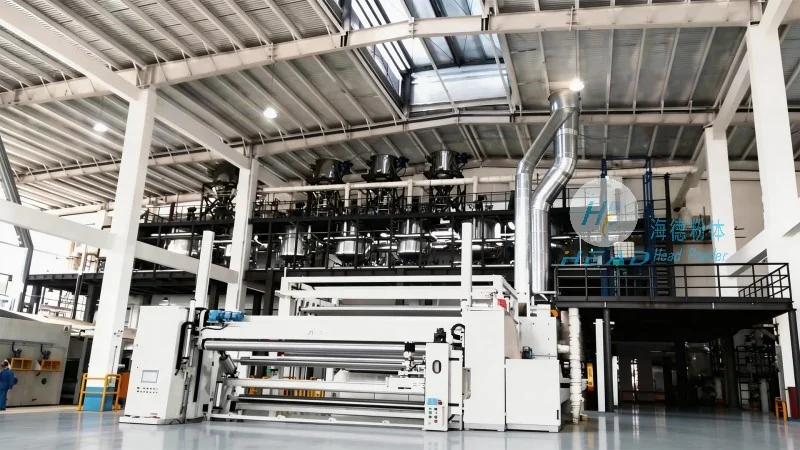
1. Pipeline Transportation Systems
Pipeline transportation is a widely used method for moving water-containing powder over long distances. This approach involves a network of pipes that carry the material from the production site to the application point. The system typically includes a mixing tank where the powder is combined with water to form a slurry, which is then pumped through the pipeline. The pipeline system can be designed for both high and low-pressure scenarios, depending on the distance and elevation changes. For instance, in construction projects, pipeline systems are often employed to deliver mortar or concrete mixtures to remote job sites. This method minimizes material handling and reduces dust exposure, making it a safe and efficient option.
2. Pumping Systems for Water-Containing Powder
Pumping is another key method for transporting water-containing powder, especially when gravity flow is not feasible. Different types of pumps are used, such as centrifugal pumps, positive displacement pumps, and diaphragm pumps. Centrifugal pumps are commonly used for high-volume, low-viscosity slurries, while positive displacement pumps are better suited for high-viscosity materials. The choice of pump depends on factors like the powder's consistency, required flow rate, and system pressure. Proper maintenance of the pumping system is crucial to prevent clogging and ensure consistent performance. In mining operations, pumping systems are used to transport tailings or slurry from processing plants to disposal sites. These systems are designed to handle abrasive and corrosive materials, ensuring long-term reliability.
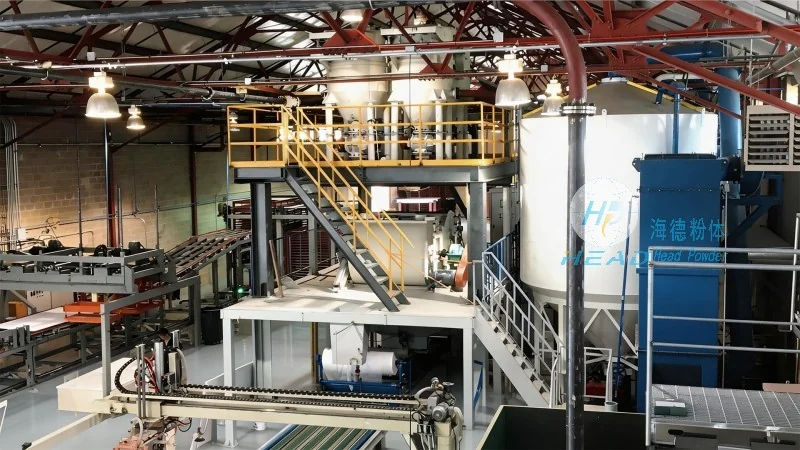
3. Closed-Loop Transportation Equipment
Closed-loop transportation equipment is a specialized method used to transport water-containing powder in a contained environment, minimizing environmental impact and product loss. This system typically includes a hopper, a conveyor system, and a collection tank. The powder is loaded into the hopper, mixed with water, and then transported through the conveyor to the application point. The closed-loop design prevents dust emissions and reduces the need for additional water, making it an environmentally friendly option. This method is particularly useful in industries where dust control is a regulatory requirement, such as in cement production or mining. The equipment is often equipped with sensors to monitor the flow rate and consistency of the slurry, ensuring optimal performance.
4. Mobile and Portable Transportation Solutions
Mobile and portable transportation solutions are ideal for applications requiring flexibility and on-site delivery. These systems are typically compact and can be easily moved to different locations. They often include a mixing unit, a pump, and a hose or pipeline for delivery. The mobile units are commonly used in construction sites where on-demand delivery of mortar or concrete is high. The portability of these systems allows for quick setup and operation, reducing downtime and increasing productivity. For example, in small-scale construction projects, a portable water-containing powder transportation system can be used to deliver custom mixes directly to the job site. These systems are designed to be user-friendly, with simple controls and minimal maintenance requirements.
5. Integration with Industrial Automation
Modern transportation systems for water-containing powder often integrate with industrial automation technologies to enhance efficiency and accuracy. Automation can include sensors to monitor the powder level, water flow, and slurry consistency, as well as control systems to adjust the mixing ratio and pumping speed. This integration ensures the material is transported at the optimal consistency, reducing waste and improving product quality. For instance, in large-scale manufacturing facilities, automated transportation systems can be connected to the production line, allowing real-time adjustments based on demand. The use of automation also reduces the need for manual labor, improving safety and reducing operational costs. Companies like Shandong HeadPowder Engineering Co., Ltd., based in Shandong, China, specialize in developing and manufacturing advanced transportation systems that incorporate these automation features.

6. Considerations for Effective Water-Containing Powder Transportation
When selecting a transportation method for water-containing powder, several factors need to be considered to ensure optimal performance. The first is the material's properties, such as particle size, density, and viscosity. These properties determine the appropriate equipment and system design. The second is the distance and elevation changes between the production and application points, which affect the required pressure and pump capacity. The third is the environmental regulations and safety requirements, which may dictate the use of closed-loop systems or dust control measures. Additionally, the cost of the system and its maintenance should be considered, as these factors impact overall operational efficiency. By carefully evaluating these factors, industries can choose the most suitable transportation method for their specific needs.
Conclusion
Water-containing powder transportation is a critical aspect of many industrial processes, and the choice of method can significantly impact production efficiency and product quality. From pipeline systems to mobile solutions, each method offers unique advantages and is suitable for different applications. Companies like Shandong HeadPowder Engineering Co., Ltd., located in Shandong, China, provide specialized equipment and systems tailored to the needs of various industries. By understanding the properties of the material and the requirements of the application, businesses can select the most effective transportation method to ensure smooth and efficient operations.